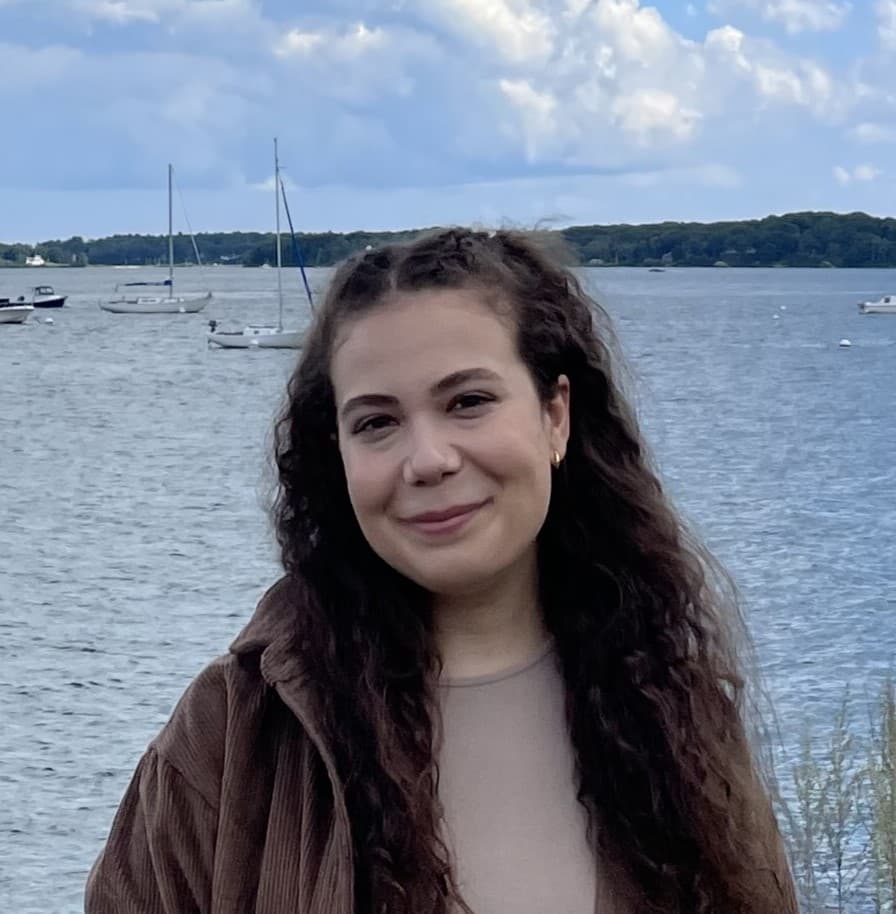
After building, scaling and exiting multiple businesses across different industries, Clint Rowley says the product has never been the point and that mindset is now influencing how he leads Screenmobile and talks to prospective franchise owners about long-term wealth creation.
“A widget is a widget, and business is business,” Rowley said. “It doesn’t matter what product or service you’re selling. The business core behind it is still business, especially in small businesses.”
Rowley has spent his career moving between entrepreneurship and franchising, building companies, selling them and then doing it again. Today, as Brand President of Screenmobile, he brings that exit-focused, fundamentals-first approach to a home services concept he believes checks the boxes many entrepreneurs are searching for: scalability, predictability and fragmented market opportunity.
“I’ve been a franchisee three different times. I’ve also been on the franchisor side three times,” Rowley said. “For me, it was an opportunity for scalability, the ability to monetize the business, and different streams of cash flow that could come in.”
Before franchising, Rowley started and sold a pest control company, owned and exited a gym, launched a marketing firm that was later acquired and worked in sales before purchasing his first franchise. Along the way, he says he gravitated toward franchising because it removed friction from the parts of business he never enjoyed.
“Franchising takes away all the stuff I didn’t like and frankly wasn’t good at,” Rowley said. “Branding, picking color schemes, logos, all the things I ended up having to hire out anyway. The franchisor brings that as a package. You just go to work and be the business owner.”
That same lens shapes how Rowley positions Screenmobile to prospective owners. The brand’s mobile, home-based model requires minimal overhead, generates deposits before products are ordered and operates in a highly fragmented space where professionalism alone creates an advantage.
“Your startup is a truck, a trailer, and a laptop, and you’re off and running,” Rowley said. “It’s a very secure business. That makes the business consistent and extremely predictable.”
Ultimately, Rowley says every conversation with a candidate starts with a question many don’t expect.
“One question I ask every new or potential franchisee is, ‘What’s your exit strategy?’” he said. “If I don’t know what your goal is in 10 years, how am I supposed to help you get there?”
Rowley believes that clarity — paired with strong fundamentals and the right support — is what turns a franchise into a true wealth-building vehicle.
Clint Rowley joined 1851 Franchise Publisher Nick Powills to discuss his unconventional path into franchising, how he evaluates business models, and what makes Screenmobile an attractive opportunity for today’s buyers. A transcript of Rowley’s interview with Powills has been provided below. It has been edited for brevity, clarity and style.
Powills: How did you accidentally fall into franchising? What’s your franchise backstory?
Rowley: I’m sure it’s probably similar to a lot of franchisees who got into different systems at different times. I had a job I wasn’t entirely happy with and started looking for other opportunities. I always knew I wanted to be on my own, which I’d done pretty much my whole life.
An opportunity came up through a friend of mine. His wife told my wife that he had gotten into this thing and that I should talk to him. I called him, we had dinner, and the next thing I knew, I was flying to a Discovery Day and signing on with my first franchise brand.
I’ve been part of four different brands now. I’ve moved around, built businesses, and sold them along the way.
Powills: I want to dive into the life of a franchisee. If we uncover some of that, it leads into the “why you, why now.” You’re going through turbulence and thinking about owning a business. How do you even get to the starting line of finding the right brand? Take me through what’s going on behind the scenes.
Rowley: That’s a great question. Trying to figure out what you want to do, or who you want to be when you grow up, happens a lot. What’s neat about franchising is that you have a big array of opportunities. You can explore until you find something that appeals to you or that you can be passionate about.
For me, it was an opportunity for scalability, the ability to monetize the business, and different streams of cash flow that could come in. Looking at those factors is what got me into my first brand and then from there.
Powills: So you’ve been a four-time franchisee?
Rowley: I’ve been a franchisee three different times. I’ve also been on the franchisor side three times.
Powills: What were the brands that you bought as a franchisee?
Rowley: Property management and swimming pools.
Powills: Okay. Go further back. What were you doing before property management?
Rowley: I had started my own companies. As a younger kid, I did door-to-door sales for a pest control company. It would have been my third summer going out. I was a top sales rep the previous two summers, and I told them what I wanted my commission scale to be. I had proven it. They said they weren’t doing that, so I said I wasn’t coming back and started my own company.
I started a pest control company and was basically selling for myself, knocking doors and building it out. I built that company up to about 270 accounts in the first summer. It was doing really well, and I had a chance to exit at a pretty good multiple.
I ended up buying a gym. It was privately owned and kind of in shambles. We built it up and realized gym life is almost a 24-hour-a-day gig. With a family coming, it wasn’t in my priority list anymore, so we exited that at a multiple.
I started a marketing firm very similar to Angie’s List. We had a big array of vendors we had known and used over the years. We brought them all together and drove them leads. We built that up and exited when one of our biggest competitors acquired us.
After that, I did some sales work for a paramedical company. That helped me meet some people and led me to my first franchise opportunity with a property management company. At that point, I knew I could do things on my own, but I liked the idea of franchising. I liked the branding and the national feel when it’s important, while still being able to play the local role. I didn’t hesitate. I jumped in pretty quick.
Powills: At the end of that story, you still exited. I hear entrepreneur, but before entrepreneur, I hear hustle. You tell a boss you’ll hustle for them if they give you a fair share, and when they don’t, you go build it yourself.
None of these businesses sound like something you dreamed about as a kid. You didn’t say, “I want to be in property management.” You wanted to be in business. And probably part of your magic is being unemotional. If you’re unemotional, you can build for exit.
Rowley: I’ve always used this when talking to other franchisees and entrepreneurs I’ve coached. A widget is a widget, and business is business. It doesn’t matter what product or service you’re selling.
The business core behind it is still business, especially in small business. In service-based businesses, which is where most of mine have been, there are so many similarities.
Whatever the fascia is on the front end, whether it’s property management, pest control, swimming pools, or screens, it doesn’t matter. The business is still the business.
Powills: And in franchising, the business is still the business, plus there’s a brand name on top of it, which changes the possibility of exit.
If there’s infrastructure and process behind something, step one is paying the bills. Step two is scaling and building wealth. Then protecting the asset so you can exit becomes the icing on the cake, in a way that some other businesses don’t have like a franchise does.
Rowley: Franchising takes away all the stuff I didn’t like and frankly wasn’t good at. Branding, picking color schemes, logos, all the things I ended up having to hire out anyway. The franchisor brings that as a package.
What I’ve always looked for in a franchise model is fragmented markets. The more fragmented the market, the more mom-and-pops that are out there, the better it is for us. Instantly, overnight, with a franchise behind you, branded shirts, wrapped trucks, and a professional image, you’re 80% to 90% ahead of most competitors.
Those mom-and-pops aren’t going to wrap their trucks. They’re not going to invest in a big website because they don’t know how to run it or who to hire. They rely on word of mouth, and eventually they plateau because no one is coaching them on how to grow, hire, and scale. That stagnation has a massive impact on their business value at exit.
For me, it’s all about growing the asset. I get to work, earn money for my family, and create jobs for employees so they can build their lives. At the end of the day, the business is an asset, like a house or a stock, that has value and can be sold. Franchising really puts a spotlight on that.
Powills: And to solve the issue you had with your first boss, if you hustle more, you make more money.
Rowley: Absolutely. It’s a simple equation when you own the widget or whatever you’re doing.
You made a great point about catching the entrepreneur before they beat you. It couldn’t be more true. Some of the best employees are the ones you give autonomy to. Let them feel ownership and give them the reward. They become your best and most profitable employees.
If you micromanage too much, you end up with people who do just enough to keep their job. They’re not going to excel because they don’t care.
Powills: A hurdle franchisees sometimes face is looking at a royalty and saying, “Why am I paying that?” But when you talk about the difference between a mom-and-pop and a franchise, you get websites, processes, branding, and technology.
Any additional comments for someone who has to overcome that fear?
Rowley: That’s one of the biggest roadblocks for most people. I had close family members tell me I was crazy. “Why pay a royalty? Just do it yourself.”
I had already started and grown several businesses, so maybe I was a little unique. But the question of “What do I get for my royalty?” is common. Franchisors should make that very clear, because what you get for that percentage, you couldn’t go out into the open market and get on your own.
With my previous companies, I had to figure out logos, branding, and taglines. This was before AI existed. All of that is gone in franchising. You just go to work and be the business owner. Websites, IT, phone systems, and branding are taken care of.
If you sourced all of those items yourself, 99% of the time it would cost more than paying royalties. That’s why franchising is so popular and why it’s taken over so many industries. You simply can’t get all of those services for a 5%, 6%, 7%, or 8% royalty.
Powills: Let’s switch lenses. You have a unique perspective because of your backstory. Twofold question. First, if you’re looking at ScreenMobile as a franchise buyer, what do you like about it? Second, how would you even find it if you were back in property management? How would you have fallen into this brand?
Rowley: I’ll be honest, one of our biggest struggles is making sure people know we’re a viable brand. Most people get online and search for “franchise.” They don’t search for screen companies. They’re searching bigger niches. Finding us has been one of our biggest hurdles, and we continue to break through those barriers and get more notice that we exist.
What I love about this business, and about ScreenMobile as a brand, is that you can run it with very little overhead out of the gate. Your startup is a truck, a trailer, and a laptop, and you’re off and running. There’s minimal inventory to start.
When you go to a client and sell products, you’re getting a deposit first, then ordering the products, then installing. So it’s a very secure business. Even if there’s a week or two delay getting a large awning or a motorized screen, it’s locked in. That makes the business consistent and extremely predictable.
It’s also very fragmented, which I like. We can come in and stand out above most competitors pretty quickly.
From a vision standpoint, we have white space across the country that we want to fill. We want to grow in new territories. At the same time, we want to help existing franchisees grow in two ways.
One is expanding their vision on the products they sell and going after bigger-ticket items. For decades, ScreenMobile was known as a window and door screening company. As we’ve evolved, we’re getting into much bigger projects: motorized roll-downs, awnings, porches, patios, enclosures, and three-season rooms. Those mean bigger projects and more revenue.
The second is helping franchisees expand their footprint. As they grow, we give them a path to buy more territory. We’ve done a lot of analysis of market penetration and what products are selling, down to the zip code level, so franchisees can analyze their business and decide whether it’s time to grow or time to focus on strengthening what they already have.
Powills: From my position as a consumer, I lived in Atlanta two years ago and had a larger property. There were many things around the house where I tried to make a phone call and couldn’t get callbacks. I filled out probably 15 inquiries for pool service and got zero responses. That tells you supply and demand are upside down.
I also wanted to build a motorized screen on our back porch. I could find companies far out of state, but not someone local who could respond and fulfill what I was looking for. That ties back to the white space issue.
COVID helped homeowners see the potential of their homes: four-season rooms, outdoor living spaces, and upgraded patios. We know we have the services and products consumers want. Now we need to continue scaling franchisees and adding employees, because demand is outweighing what we can currently supply.
Rowley: One hundred percent. Two facets to that. You made some great points.
The number one complaint we still hear is, “I called 12 people and no one called me back.” As long as our franchisees are answering the phone and responding to clients, the close ratio skyrockets. That’s something we do very well.
On the white space side, we’ve had franchisees travel outside their territories to cover bigger jobs. The customer sees the work, sees how the model functions, and says, “You did a great job. How do I get involved in this?” Next thing you know, they want to buy the franchise in that area. They see the product, they see how it works, and the model becomes very intriguing.
I would challenge anyone to sit down and listen to our model and see how it works. It tends to grab your attention pretty quickly.
Powills: If I’m a buyer, I’d say listen to the front part of your story: build, exit, build, exit, build, exit.
There has to be some belief in the product or service, but good business is good business. If you listen to what Clint is saying, there’s a good business model here. If you zoom in, you’re going to see something attractive.
There’s no harm in filling out the form. There’s no harm in having a conversation with Clint about whether this makes sense, because he’s been there and done that. Is there anything else you want a buyer watching this to know about the opportunity?
Rowley: One question I ask every new or potential franchisee is, “What’s your exit strategy?” I get a lot of strange looks. People say, “Clint, aren’t you trying to get me into the business, not out of the business?”
I tell them, “If I don’t know what your goal is in 10 years, how am I supposed to help you get there?”
There are a lot of options. Some people want to hold it for 20 years. Some want to build it to a certain revenue level. Some want to hand it off to their children. Others are retired from corporate America and want to build something they can liquidate in five years. We just need a target to aim at. If we set that target, build a roadmap, and work toward it, you’re going to be far more successful.
Powills: You’re an expert at training people to remove emotion from business. Emotion should be dialed into customer and employee relations, not into things like logos. If you focus emotion on the right areas, it will ultimately drive the right financial results.
Rowley: I couldn’t agree more, Nick. People ask what kind of business we’re in. We’re not in screens. We’re in the people business.
If you can manage people, set a vision, lead the right way, and genuinely connect with clients, while delivering five-star service, the sky’s the limit.
Powills: I hate repeating myself, but I’m going to say it anyway. In franchising, you bet on the jockey, not the horse. You bet on the people around the business, not just the business itself.
Based on your backstory, you have clear proof of concept. If I were considering franchising, especially in home services, there’s no harm in talking to you. You’ve accomplished a lot, and I appreciate you sharing your story today.
Rowley: I really appreciate it, Nick.
Watch the interview above or on YouTube.
To find out more information on costs to buy this franchise, please visit https://screenmobilefranchise.com/.