When disaster strikes, few companies are positioned to respond as quickly and comprehensively as ServiceMaster Recovery Management (SRM). Backed by decades of experience, the SRM team has become the go-to partner for commercial properties facing catastrophic losses, from hospitals and data centers to universities and retail chains.

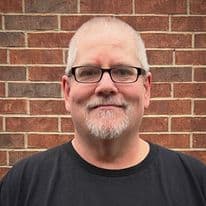
Mike Matias, director of power and environmental control for SRM, says it comes down to a combination of experience, planning and the strength of the ServiceMaster franchise network.

“I specialize in the commercial large-loss side, and one of the things I think is unparalleled in our industry is the folks within our core team,” Matias said. “Collectively, our leadership team and project managers bring close to 250 years of combined industry experience. If I don’t know something, I know someone within our organization who is one phone call away. Instead of guessing or assuming, I can call someone who’s gone through the issue. That’s why we always say, ‘Why reinvent the wheel?’”

Preparing for the Unpredictable

Commercial properties carry risks that can’t always be anticipated. Critical facilities like hospitals, government buildings and data centers demand a unique balance of resources and foresight.

The ability to balance resources extends to the way SRM prioritizes clients’ assets in disaster zones. “Just because a client has 10 properties in a weather zone, that doesn’t mean we try to protect all 10,” Matias said. “We might bring in equipment to cover three or four based on probability. More often than not, that’s enough.”

Technology as a Tool, Not a Crutch

In an industry that requires speed and precision, technology has become an indispensable asset. But Matias cautions that overreliance can be dangerous.

“Technology is a great helper, but it can also be a hindrance,” he said. “Sometimes those technologies don’t travel well into disaster areas. That’s why we always have backups to backups. I’ve been in areas where we went back to pen and paper. If you’re not adaptive, technology can actually slow you down.”

To stay ahead, SRM has invested in tools like Starlink satellite internet and drones for remote property assessments. ServiceMaster also fields an in-house team of meteorologists and uses satellite mapping technology for damage assessments and client location tracking. The company partners with Monarch Weather for hyperlocal forecasting, real-time climate intelligence, and map-based modeling to guide deployment and speed response, and works with EarthVisionz to leverage advanced geospatial imagery and analytics for precise, large-scale damage visualization.

“Drone footage allows our teams on the front lines to not have to be safety impacted,” Matias said. “They can do an assessment maybe a half mile from the facility as opposed to having to go in there waiting for a structural engineer to tell us it’s safe.”

A Case Study in Scale

Perhaps the clearest example of SRM’s capabilities came during a project at McNeese State University in Lake Charles, Louisiana.

“We had 40 buildings to remediate, and we didn’t have the labor to work on all of them at once,” Matias said. “So instead of trying to put 40 generators on 40 buildings, we powered up a substation on campus. We essentially acted as the utility to power every single building. That allowed us to run HVAC systems and keep conditions at 72 degrees and under 50 percent humidity. That stopped mold from spreading beyond the first floors.”

By keeping mold from advancing, SRM prevented a campus-wide crisis and ensured students could return to dorms and classrooms on time.

Harnessing the Franchise Network

ServiceMaster’s franchise network plays a critical role in SRM’s national reach. Each franchise brings specialized expertise, but corporate ensures they are deployed strategically.

“We vet our franchisees to make sure they’re working within their expertise,” Matias said. “If a franchise specializes in residential work, we keep them focused there. They can do six or seven homes more efficiently than trying to manage one large commercial loss. On the flip side, commercial specialists may not be as efficient on a small residential job. Our job at corporate is to make sure franchisees stick to what they’re best at.”

This collaboration allows SRM to scale resources quickly, whether for a localized disaster or a multi-state catastrophe. “It’s the network,” Matias said. “If you’re tapped out on labor, that extra labor is just a phone call away. In the end, it’s one logo out there — the ServiceMaster logo. Whether you’re a small franchise in Tennessee or a large one in Chicago, you’re backed by the same national network.”

Engineered for Rapid Response

SRM is built for speed, pairing contingency planning with pre-loss coordination so crews and equipment can move as conditions change.

“Our commercial clients count on us and expect urgency, and we plan for that,” Matias said. “When a client has completed pre-loss planning, we can have a generator on-site within hours. If we’re starting from scratch, allocation can take longer because equipment may already be committed.”

People, Process, Product

For Matias, the secret to SRM’s success is simple but powerful. “Across the board, regardless of vertical or expertise, we believe in the three Ps of business: people, process and product,” he said. “If we have the right people and the right process, then the product will be there.”

That philosophy has made SRM not only a leader in disaster recovery but also the first call when commercial properties nationwide need urgent, mission-critical support.

To find out more information on costs to buy this franchise, please visit https://1851franchise.com/servicemaster-restore.

When disaster strikes, few companies are positioned to respond as quickly and comprehensively as ServiceMaster Recovery Management (SRM). Backed by decades of experience, the SRM team has become the go-to partner for commercial properties facing catastrophic losses, from hospitals and data centers to universities and retail chains.

Mike Matias, director of power and environmental control for SRM, says it comes down to a combination of experience, planning and the strength of the ServiceMaster franchise network.

“I specialize in the commercial large-loss side, and one of the things I think is unparalleled in our industry is the folks within our core team,” Matias said. “Collectively, our leadership team and project managers bring close to 250 years of combined industry experience. If I don’t know something, I know someone within our organization who is one phone call away. Instead of guessing or assuming, I can call someone who’s gone through the issue. That’s why we always say, ‘Why reinvent the wheel?’”

Preparing for the Unpredictable

Commercial properties carry risks that can’t always be anticipated. Critical facilities like hospitals, government buildings and data centers demand a unique balance of resources and foresight.

The ability to balance resources extends to the way SRM prioritizes clients’ assets in disaster zones. “Just because a client has 10 properties in a weather zone, that doesn’t mean we try to protect all 10,” Matias said. “We might bring in equipment to cover three or four based on probability. More often than not, that’s enough.”

Technology as a Tool, Not a Crutch

In an industry that requires speed and precision, technology has become an indispensable asset. But Matias cautions that overreliance can be dangerous.

“Technology is a great helper, but it can also be a hindrance,” he said. “Sometimes those technologies don’t travel well into disaster areas. That’s why we always have backups to backups. I’ve been in areas where we went back to pen and paper. If you’re not adaptive, technology can actually slow you down.”

To stay ahead, SRM has invested in tools like Starlink satellite internet and drones for remote property assessments. ServiceMaster also fields an in-house team of meteorologists and uses satellite mapping technology for damage assessments and client location tracking. The company partners with Monarch Weather for hyperlocal forecasting, real-time climate intelligence, and map-based modeling to guide deployment and speed response, and works with EarthVisionz to leverage advanced geospatial imagery and analytics for precise, large-scale damage visualization.

“Drone footage allows our teams on the front lines to not have to be safety impacted,” Matias said. “They can do an assessment maybe a half mile from the facility as opposed to having to go in there waiting for a structural engineer to tell us it’s safe.”

A Case Study in Scale

Perhaps the clearest example of SRM’s capabilities came during a project at McNeese State University in Lake Charles, Louisiana.

“We had 40 buildings to remediate, and we didn’t have the labor to work on all of them at once,” Matias said. “So instead of trying to put 40 generators on 40 buildings, we powered up a substation on campus. We essentially acted as the utility to power every single building. That allowed us to run HVAC systems and keep conditions at 72 degrees and under 50 percent humidity. That stopped mold from spreading beyond the first floors.”

By keeping mold from advancing, SRM prevented a campus-wide crisis and ensured students could return to dorms and classrooms on time.

Harnessing the Franchise Network

ServiceMaster’s franchise network plays a critical role in SRM’s national reach. Each franchise brings specialized expertise, but corporate ensures they are deployed strategically.

“We vet our franchisees to make sure they’re working within their expertise,” Matias said. “If a franchise specializes in residential work, we keep them focused there. They can do six or seven homes more efficiently than trying to manage one large commercial loss. On the flip side, commercial specialists may not be as efficient on a small residential job. Our job at corporate is to make sure franchisees stick to what they’re best at.”

This collaboration allows SRM to scale resources quickly, whether for a localized disaster or a multi-state catastrophe. “It’s the network,” Matias said. “If you’re tapped out on labor, that extra labor is just a phone call away. In the end, it’s one logo out there — the ServiceMaster logo. Whether you’re a small franchise in Tennessee or a large one in Chicago, you’re backed by the same national network.”

Engineered for Rapid Response

SRM is built for speed, pairing contingency planning with pre-loss coordination so crews and equipment can move as conditions change.

“Our commercial clients count on us and expect urgency, and we plan for that,” Matias said. “When a client has completed pre-loss planning, we can have a generator on-site within hours. If we’re starting from scratch, allocation can take longer because equipment may already be committed.”

People, Process, Product

For Matias, the secret to SRM’s success is simple but powerful. “Across the board, regardless of vertical or expertise, we believe in the three Ps of business: people, process and product,” he said. “If we have the right people and the right process, then the product will be there.”

That philosophy has made SRM not only a leader in disaster recovery but also the first call when commercial properties nationwide need urgent, mission-critical support.

To find out more information on costs to buy this franchise, please visit https://1851franchise.com/servicemaster-restore.

Don’t Miss the Next Big Franchise Story

Sign up for the 1851 Franchise newsletter to get our biggest stories before everyone else

By signing up, you agree to our user agreement (including class action waiver and arbitration provisions), and acknowledge our privacy policy.

Chris Irby

About the Author

Chris Irby

Follow

All Articles

No related articles found