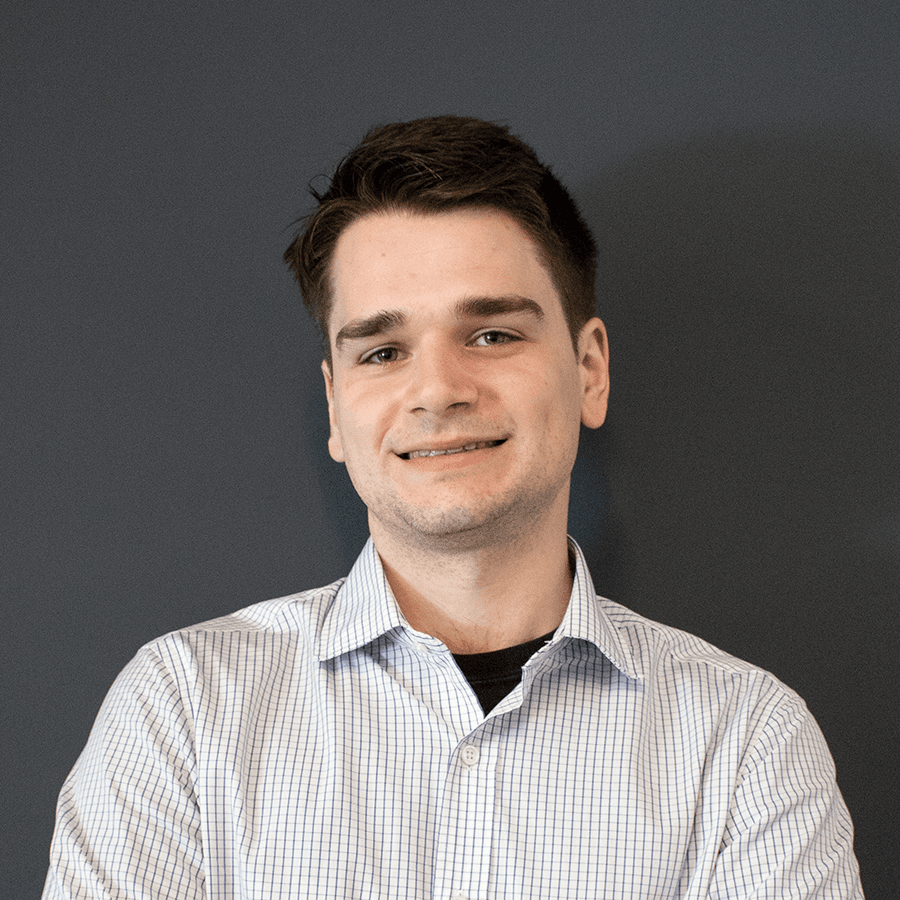
1851 Franchise sat down with John Tovar, President of ServiceMaster Restore, to talk about his journey into franchising, how the brand continues to support franchisees through good times and crises, and why restoration work delivers purpose and pride.

1851 Franchise: Most people have an accidental franchise story. How did you “accidentally” fall into franchising?

John Tovar: You know, I came up through corporate environments for much of my career. It’s interesting — I got a phone call one day about an opportunity with Ace Hardware. I had started my career with The Home Depot and always had a tremendous amount of respect for Ace Hardware. Everybody talks about their Ace Hardware because they do such a great job of connecting with customers. And I really know that's one of the powerful things about ownership that you find in franchising.

So, I don't know if it was really by accident, but when I first got the call, I said no because I wasn’t sure I wanted to move somewhere cold — that was up in Chicagoland. But I’m really glad I did. I had a great experience there, and it helped lead me to ServiceMaster Brands.

1851: When people go through the journey of becoming a franchisee, they’re often at a crossroads — deciding whether to stay in a corporate career or take a leap into business ownership. When you took the job in franchising, did you understand what franchising was at the time? And how did that evolve over time?

Tovar: I always had a lot of respect for entrepreneurs. I can’t say I knew what it was like to walk in an entrepreneur’s shoes, but I had family members — both my wife’s and mine — who had taken that journey. You start to understand what it's like to need to make payroll when there’s not a check coming every two weeks. I really had a lot of respect and admiration for people like that.

And that's what I found as I got into franchising — people who really care. You watch businesses that thrive for generations. I’ve heard it said it’s not about quarterly earnings — it’s about quarter centuries when you're thinking about passing those businesses on. That’s what’s really appealing and attractive to me about franchising. I can’t say I knew exactly that’s what I’d find when I got there, but I saw elements of that in people I knew who were entrepreneurs. It’s part of what keeps me here today.

1851: The brands you’ve worked with — Ace, and now ServiceMaster Restore — really come to life at the local level. Do you think that connection to the local community is part of the magic of franchising?

Tovar: I think so. I think that is absolutely the magic. They’re your customers. And I think in particular with service industries — whether it’s a local convenience hardware store or a disaster restoration company or a janitorial franchise — whatever it may be, they’re your customers and you treat them like family.

I’ve worked in a lot of great corporations — publicly held, privately held — but there is something different about entrepreneurs and that sense of ownership. And I mean “ownership” in multiple senses of the word — in how they approach all things about their business. It’s really fun to give everything I have to try to support people that truly are laying it all out on the line for their business and all the people that count on them to be successful.

1851: You stepped into this role during COVID, a time when small business owners probably felt scared and isolated. What was that like — taking the reins of a brand whose mission is literally to help people in times of crisis?

Tovar: My goodness. At Ace, we were an essential business as well. I think about the distribution centers — if those facilities stopped flowing product, the stores would die. So you had people who needed to be courageous, show up at the store, drive the trucks, work in the warehouse.

And it was really the same environment at ServiceMaster. Someone’s house is completely flooded or there’s a catastrophic fire — someone’s still got to come deal with that. We were also doing COVID cleaning at facilities. You think about how important that was to keep businesses up and running — to come in and treat COVID-19 when it was identified and make sure surfaces were safe.

So certainly, I think everyone wants to feel like their work matters. I wouldn’t ever paint myself in the same courageous light as those on the front lines doing that, but it did feel good to know I was supporting those who were. Whether it was Ace or ServiceMaster, we knew staying home wasn’t an option if we were going to keep doing what was essential.

1851: Anytime you switch careers, it’s a roller coaster. But did you also feel a sense of purpose, knowing anything you did would impact business owners in a big way?

Tovar: Yeah, it was. And look, I was also very grateful. I knew a lot of people who weren’t in an essential business and didn’t get to do what they love doing — franchise or not. So there was a part of me that just felt tremendous gratitude to have an opportunity — whether it was at Ace or ServiceMaster — to continue doing what I loved.

Yeah, it did feel good to be there for people when they really needed you. It was inspiring to watch people come together, maybe step out of what their traditional role was, because they understood the real work was on the front lines at that point in time.

It was a mix of emotions, like we all remember from that time. But really — gratitude for having something to go do that felt like it mattered. And there was just a lot of admiration and respect for the people who went out and did the truly hard work. What comes to mind is doing COVID cleaning in a place that everyone else was horrified to go. You go in there on purpose.

1851: I think back to those early moments of COVID. One that stands out to me — we lived in a townhouse in Chicago and every night at 9:00 p.m., people were ringing pots and pans to thank emergency workers. It felt like we were coming together as humans. And if I look at the franchisor community, it was like accelerated support — “We are here for you in every way.” How have you been able to hold onto that and build it into the way you lead the company today?

Tovar: That’s a great question. I think storytelling — making sure, through symbols and pictures — that we keep those stories alive is important. I was at our Commercial Operations Center in Kansas City earlier this week. There are pictures on the wall — ServiceMaster helped rebuild the Pentagon after 9/11. You see ServiceMaster vans in front of the Pentagon. There are iconic jobs that we’ve been a part of.

The pandemic is part of that story now. Everything from pictures on the wall to telling those stories and building on those priceless moments is really critical. It makes some of the other things — the day-to-day business challenges — feel small by comparison. And we endured those moments together.

People still approach the world differently, even years later. So yeah, those were moments we’ve continued to build upon. And just like any franchisor-franchisee relationship, you go through ups and downs. But those grounding moments — they codify the bond and remind us all that we’re in this as partners for the long term. We’re not going to let even a global pandemic break what we’ve built.

1851: I’m going to compare your story to sports. You mentioned the Pentagon in 2001 — that was 24 years ago. In Chicago, we still talk about the ‘85 Bears and the 2016 Cubs like it was yesterday. Part of what you said is that when a culture reinforces the emotion of an impactful moment, it stays alive. You weren’t even with the company in 2001, but you referenced that memory and I got goosebumps. That’s how you know the story lives on.

Tovar: You're right — I got goosebumps when I shared that too. I had no idea I’d ever work for ServiceMaster, but I still see that picture up in a lot of the offices I travel to across the country.

When I think about the conversations I have with franchisees, yeah, sometimes we talk current shop. But often, we reminisce about big jobs — we call them CAT events. “Remember this hurricane where we did this? Remember how resourceful we were?”

In my short time here, I remember Hurricane Ian — getting onto Sanibel Island. Driving on the back of a pickup truck that the fire department commandeered for us, bouncing down the road with every power line knocked over. I’ve heard stories about finding a boat to get to job sites or bringing resources to hotels that were three feet underwater during Hurricane Harvey.

Some of those stories I was a part of. Some were from 10 or 20 years ago. But you’re right — it’s those impactful events and moments that bond us. That shared memory, maybe even that shared short-term suffering, is what keeps us together through the day-to-day business stuff. At the end of the day, we’re bonded by something bigger — running toward big events when everyone else is going in the other direction.

1851: There are two things I want to say about what you just shared. First, being a business owner is tough. There’s plenty of reward and opportunity, but it’s tough. Even in my own business, on bad days, I look for the “pinch me” moments — the ones that make you say, “That felt really good.” It reminds you of your purpose.

The beauty of your business is that even when business is tough or a franchisee is having a bad day, most of the time they can go back and think of a time when they stepped up to a challenge and supported a business or a community.

Second, from an outsider’s perspective — say you’re at a cocktail party and you tell someone what brand you work for — they might say, “Why would anyone want to do that?” But you just talked about an emotional experience, and when a business owner can see that intersection between passion and business, that’s a currency more valuable than cash.

You talked about those moments — the “pinch me” moments and the true sexiness of the business.

Tovar: Yeah, I think that is where ServiceMaster shines. The majority of our business is everyday loss, and outside of losing a loved one, losing your home — everything you had, your children’s memories — that’s devastating.

Those are bad days too. But I think you’re right. It’s the pinch-me moments. I think about just recently visiting job sites after Hurricane Helene. You see cars overturned, and they found five bodies in the wash right behind the job we were working on — we were fixing a school.

You see people at their lowest moments, and the folks we have there had mobilized from all over the country, loaded up their trucks and equipment. We were at another job site — one guy’s truck was smashed up because it got knocked over — and they just found a way to be there and show up.

You’re right — that’s better than money. Just knowing that what you do, and the business you’ve built as a franchisee, really matters and will endure forever. That person will remember how you came to help them. It’s also why joining a franchise system is so impactful — we can be a force multiplier when we all lean in and work together.

Seeing those big events, you’re right, those are the pinch-me moments. But there are also everyday ones that give you goosebumps or get you choked up — when you touch someone on a random Tuesday, on what was one of the worst days of their life — and you were there for them.

1851: When you made the career pivot into ServiceMaster, how did you start to integrate your own vision with an established brand? How did you take what you wanted to accomplish as a leader and put it into play?

Tovar: One of the first things we did — and I think it’s important — is to express that you understand and you care. First and foremost, we wanted to firm up relationships.

Shortly after that, we launched something called “Partners in Performance.” In a franchise system, you can’t be all things to all people. There are probably multiple ways to run a successful restoration business. But since we can’t be all things, let’s pick the 12 or 14 things we’re going to point all our resources toward.

If you choose to adapt, modify and lean into that guidance, we think we can go far together. Getting aligned on a platform of KPIs and measurables that we all lean into collectively — that’s worked really well for us over the last several years.

I think about where we’d be if we hadn’t established that program. That’s how we go to market. When we’re talking to a new potential customer, we say, “This is how we operate.” It’s what we tell prospective franchisees as they evaluate our system.

Getting that common platform has helped pull things together. And I think if you pull that thread all the way through — we just celebrated our third annual Hire Heroes USA golf tournament in San Antonio — we’ve now raised over half a million dollars for honorably discharged veterans and their spouses.

That’s another thing I believe in — people can put rivalries aside for a bit and come together for something bigger than themselves. Helping honorably discharged veterans and their families — I knew that would resonate with ServiceMaster because we’ve got some great servant hearts here too.

From the performance platform to philanthropy, we try to do things collectively and together. Because if you don’t, you’re just a loosely banded group of folks that happen to share the same logo.

1851: Some franchise buyers, when they first hear the term “KPI,” might think, “That sounds really corporate.” But the reality is, it’s structure. And that structure — that scaffolding — creates a model a franchisee can follow and measure themselves against.

When someone’s reviewing an FDD and looking at an Item 19, there are all these fancy numbers — but those aren’t KPIs. That’s not a pathway to performance. It’s just numbers. What you’re talking about is: Let’s give purpose to the business, let’s align KPIs, let’s add in the community element, and let’s continue top-level communication so we can build internal and external community.

That sets up a tremendous business opportunity. If someone’s watching this or thinking about going into business, that’s what I’d advise them to look at — even if they don’t know those are the things they should be valuing. You just said it beautifully.

Tovar: You’re an entrepreneur. You’ve got a servant heart. You want to do something that matters. You want to run a business you believe has the potential to be successful.

If we can show you an operating method and some structure — now, if you want to go be independent, you can do that. Others have. But when you’ve got a method that’s proven and validated to work, and you can connect to a community and be part of something bigger than yourself — whether that’s mobilizing to an event or joining a system like ours — you’ll do better when you do it alongside your fellow franchisees, with structure.

That’s one of the great things about pursuing franchising — you still get to make the choice. You’re still the entrepreneur. And for us, it’s incredibly rewarding when we see people give up a little of what they thought was the “right” way and instead lean in, find success, and come back a few years later to shake our hand and say, “Thanks for challenging me — look at what my business has grown into.” That’s what keeps me going.

1851: It’s fascinating. When I hear a franchisee talk about a royalty, I think, “Okay, look at the team behind that royalty.” Look at the website, the branding, the structure, the supply chain, the community, the people who have your back.

There’s no way to put that on a P&L as an independent. You can’t just line-item it and say, “For 5-10%, I get all this.” It’s impossible. I think franchisors could do a better job of communicating the value of all the infrastructure that comes along with that royalty. Franchise buyers often see it as money out of their pocket — but what they actually get is huge.

Tovar: Well said. Any franchisor worth its salt needs to always challenge itself and make sure that what we’re providing is worth it.

You’ve got to work on your communication. Just yesterday, we did another webinar with the whole network. Obviously, you can’t unpack everything at once, but I was sitting in a commercial operations facility that has enough equipment, capability, human capital and expertise to do jobs ranging from nuclear submarines to the Pentagon. There isn’t a job we can’t handle.

What I told the franchisees there was, “If you’re part of ServiceMaster, you never have to say no.” Because with one phone call to this team — if we don’t know how to do it, we have subs and partners we’ve worked with before who do. When you’re part of a franchise system that can literally do anything — because of the partnership and support — hopefully, that’s worth the royalty you’re paying.

1851: Let’s close on this. What’s your vision moving forward — say, for the next 12 to 24 months? What does “winning” look like to you?

Tovar: Absolutely. I think these are businesses that should be — and could be — generational if you choose for them to be. Now, that doesn’t mean you have to pass them to your son or daughter, but I want you to create the kind of wealth that lets you, as a franchisee, do whatever you want.

Maybe you want to give it all back to charity. Maybe you want to build an empire. Whatever your goal is, if we can help you do that profitably, the franchisor wins too — and that allows us to do it for more people. And the investors who’ve invested in us? That includes teachers’ pension funds, firefighters, police officers.

If all three parties — franchisees, franchisor and investors — can win and continue to grow sustainably, then we create options. And that’s one of the best things about franchising and about this capitalist environment: If you really want to make something happen — with the right partnership and mindset — we can go accomplish it.

Twelve years from now, I’d love to see this business quadruple in size. That would mean more opportunities for more entrepreneurs who want to be a part of this — and we’d be able to respond faster and more safely to the everyday and large-scale disasters that inevitably continue to occur.

I’m having a lot of fun — and I’d love to see that vision play out over the next 10-15 years.

For more information on franchising with ServiceMaster Restore, visit: https://franchise.servicemasterrestore.com/.

Don’t Miss the Next Big Franchise Story

Sign up for the 1851 Franchise newsletter to get our biggest stories before everyone else

By signing up, you agree to our user agreement (including class action waiver and arbitration provisions), and acknowledge our privacy policy.

Luca Piacentini

About the Author

Luca Piacentini

Follow

1851 Managing Editor

All Articles

No related articles found