
Shuckin' Shack
SPONSORED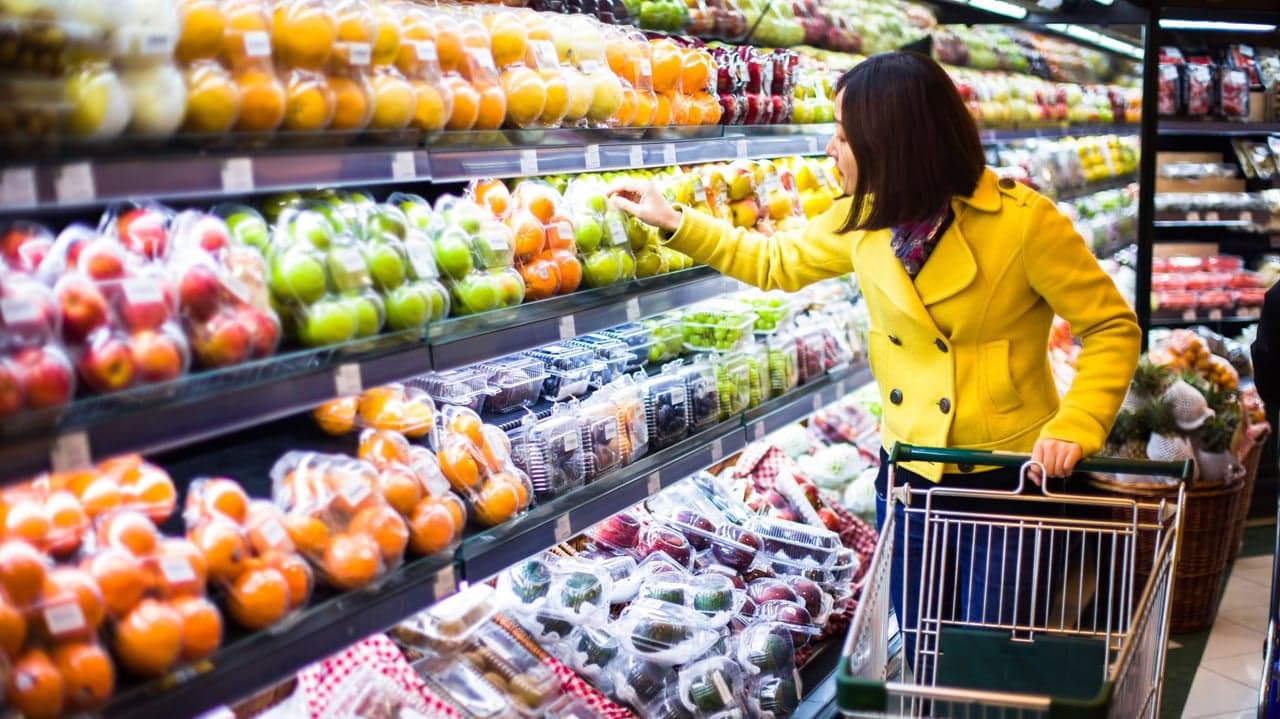
Shuckin’ Shack CEO Explains Why Grocery Price Hikes Lead to Restaurant Sales
Jonathan Weathington explains why grocery inflation has consumers dining out rather than shopping at the store.
The days of saving money by cooking at home are gone. With the increasing cost of living and rising food prices, going to the grocery store can now cost a pretty penny. While making your own food used to be the cheaper route, inflation has changed things. Price hikes in the retail sphere are up 10.8%, while restaurants are only seeing a 7.2% increase in menu pricing, Nation’s Restaurant News reports.
That means that the average dollar share for food spending is going up for the dining out industry. In April, restaurants received a record-high 54.9% of the food dollar share, according to recent U.S. Census data. When deciding what to spend their food money on, consumers are shying away from expensive market trips.
“From a consumer standpoint, they're choosing to eat out more because what they're finding is that the production of the food in their own kitchens exceeds what they could purchase at a restaurant establishment,” explained Jonathan Weathington, CEO of Shuckin’ Shack, the 17-unit oyster bar franchise.
A large part of why restaurants have not seen the levels of inflation that grocers have is because they don’t need consumer packaging. Retail packaging has been greatly affected by the labor shortage, because there is not enough staffing in the factories, so the chains are having to pay a lot of overtime workers; this then creates a ripple effect in the cost of production and cost.
“You see this snowball happening throughout the entire supply chain, and everyone's paying higher prices to procure the products that they want, including everything that happens even before it hits the shelves,” said Weathington.
Restaurants like Shuckin’ Shack, and therefore their patrons, are also protected from some of the volatility in pricing. Costs change and specials are happening every day in grocery stores, but eateries have more fixed pricing.
“There's much, much less exposure on the side of the consumer dining in a restaurant than shopping at a grocery store,” said Weathington. “It's very rare that you see restaurants changing their pricing on a day to day basis. We have a lot of market price items, but even then, we change costs usually every few weeks.”
To manage the effects on the brand's franchise owners, Shuckin’ Shack’s executives are having constant conversations with them about the state of inflation and food costs. They work hard to ensure that their franchisees are getting fresh, quality products at a fair rate and constantly measure the economy’s impacts on the restaurant industry. Franchise owners also work tirelessly to ensure that they capitalize on all the customers who are choosing to dine and drink there.
“When people are tightening down on budget but decide to eat out, they're going to go to a place where they feel like they are welcomed. We're very fortunate that we have that. We have a welcoming atmosphere and a really, really strong customer base,” said Weathington.
The cost to open a Shuckin’ Shack franchise ranges from $453,000 to $1,128,252. For more information visit: https://shuckinshackfranchise.com
About Shuckin' Shack:
Shuckin' Shack Oyster Bar grew out of a vision for a local establishment that would appeal to families of all ages. A place where friends and family can enjoy fresh, delicious meals and creative cocktails in an environment that exudes relaxation. Shuckin' Shack offers its guests a "lifestyle experience" in addition to exceptional seafood. The brand started as a 900-square-foot shack in Carolina Beach, North Carolina, in 2007 and began franchising in 2014. Today, Shuckin' Shack has grown to 16 locations across five states, and soon to be eight, with several more locations slated to open by the end of 2022. To learn more about Shuckin’ Shack, visit http://www.theshuckinshack.com.
Shuckin' Shack
SPONSOREDJonathan Weathington explains why grocery inflation has consumers dining out rather than shopping at the store.
The days of saving money by cooking at home are gone. With the increasing cost of living and rising food prices, going to the grocery store can now cost a pretty penny. While making your own food used to be the cheaper route, inflation has changed things. Price hikes in the retail sphere are up 10.8%, while restaurants are only seeing a 7.2% increase in menu pricing, Nation’s Restaurant News reports.
That means that the average dollar share for food spending is going up for the dining out industry. In April, restaurants received a record-high 54.9% of the food dollar share, according to recent U.S. Census data. When deciding what to spend their food money on, consumers are shying away from expensive market trips.
“From a consumer standpoint, they're choosing to eat out more because what they're finding is that the production of the food in their own kitchens exceeds what they could purchase at a restaurant establishment,” explained Jonathan Weathington, CEO of Shuckin’ Shack, the 17-unit oyster bar franchise.
A large part of why restaurants have not seen the levels of inflation that grocers have is because they don’t need consumer packaging. Retail packaging has been greatly affected by the labor shortage, because there is not enough staffing in the factories, so the chains are having to pay a lot of overtime workers; this then creates a ripple effect in the cost of production and cost.
“You see this snowball happening throughout the entire supply chain, and everyone's paying higher prices to procure the products that they want, including everything that happens even before it hits the shelves,” said Weathington.
Restaurants like Shuckin’ Shack, and therefore their patrons, are also protected from some of the volatility in pricing. Costs change and specials are happening every day in grocery stores, but eateries have more fixed pricing.
“There's much, much less exposure on the side of the consumer dining in a restaurant than shopping at a grocery store,” said Weathington. “It's very rare that you see restaurants changing their pricing on a day to day basis. We have a lot of market price items, but even then, we change costs usually every few weeks.”
To manage the effects on the brand's franchise owners, Shuckin’ Shack’s executives are having constant conversations with them about the state of inflation and food costs. They work hard to ensure that their franchisees are getting fresh, quality products at a fair rate and constantly measure the economy’s impacts on the restaurant industry. Franchise owners also work tirelessly to ensure that they capitalize on all the customers who are choosing to dine and drink there.
“When people are tightening down on budget but decide to eat out, they're going to go to a place where they feel like they are welcomed. We're very fortunate that we have that. We have a welcoming atmosphere and a really, really strong customer base,” said Weathington.
The cost to open a Shuckin’ Shack franchise ranges from $453,000 to $1,128,252. For more information visit: https://shuckinshackfranchise.com
About Shuckin' Shack:
Shuckin' Shack Oyster Bar grew out of a vision for a local establishment that would appeal to families of all ages. A place where friends and family can enjoy fresh, delicious meals and creative cocktails in an environment that exudes relaxation. Shuckin' Shack offers its guests a "lifestyle experience" in addition to exceptional seafood. The brand started as a 900-square-foot shack in Carolina Beach, North Carolina, in 2007 and began franchising in 2014. Today, Shuckin' Shack has grown to 16 locations across five states, and soon to be eight, with several more locations slated to open by the end of 2022. To learn more about Shuckin’ Shack, visit http://www.theshuckinshack.com.
Sign up for the 1851 Franchise newsletter to get our biggest stories before everyone else
By signing up, you agree to our user agreement (including class action waiver and arbitration provisions), and acknowledge our privacy policy.

No related articles found