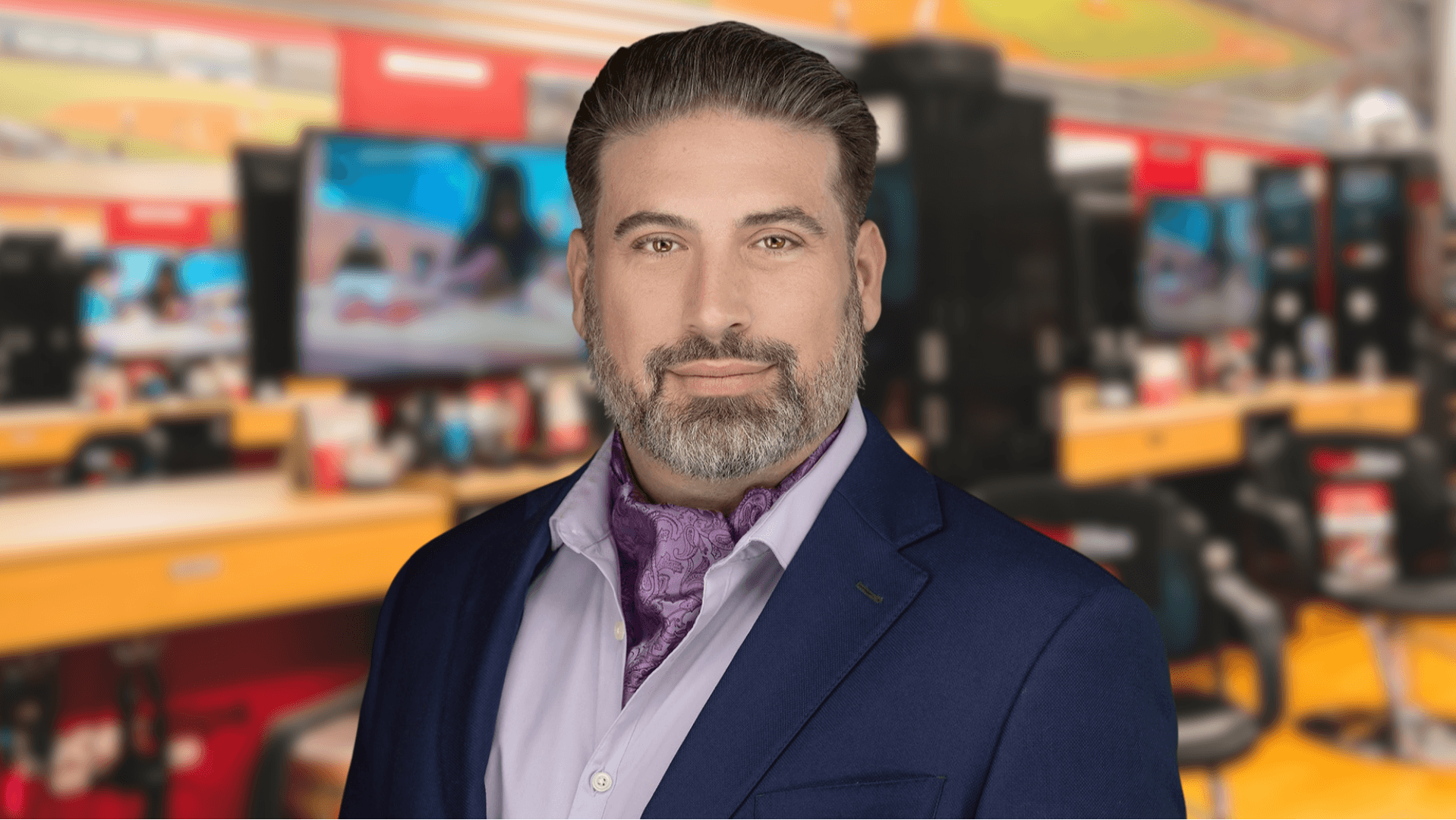
Some franchise models are easier to grow than others, especially for operators looking to expand beyond a single market. For Jesse Keyser, who now owns more than 30 Sport Clips Haircuts locations in the Midwest, that ability to scale has been central to his success.

“While I was in college, I started working for a technology company until 2005,” Keyser said. “Then, I opened up my first Little Caesars Pizza with my younger brother and we ended up opening up five of those. We eventually got into other franchises and made the decision to build our portfolio with Sport Clips.”

That early exposure to franchising shaped his mindset as an operator and set the stage for a multi-brand, multi-unit portfolio. But it was Sport Clips that ultimately stood out as the most scalable concept in his experience.

From First Units to a 30+ Location Portfolio

Keyser entered the Sport Clips system when the brand still had significant availability nationwide. “They had just over 700 locations open, but there was a lot of white space,” he said. “We got to cherry-pick great locations by getting in early. We have really great numbers.”

Starting with a small initial investment, he quickly proved the model worked.

“We originally bought a three-pack, and when we opened our third location, it broke the grand opening record, and then we did it again with our next location,” Keyser said. “I then started buying licenses and groups of 10. Eventually, we got into buying some existing locations too.”

Over time, that mix of new development and acquisitions allowed him to build a portfolio spanning five states, positioning him as one of the system’s most experienced multi-unit operators.

Built for Semi-Absentee, Multi-State Growth

One of the defining advantages of the Sport Clips model is its support for semi-absentee ownership, a critical factor for operators scaling beyond a handful of units. For Keyser, that flexibility has been essential. “I manage these things remotely,” he said. “There is no need to be there every day because I can see what is going on based on the data.”

The brand’s manager-driven structure allows franchisees to focus on leadership, performance and growth rather than cutting hair or managing daily operations themselves. Combined with strong reporting tools, this creates the visibility needed to support scale.

“The operation is pretty simple, inventory is pretty simple,” Keyser said. “I can see what time they took their first client, what time they took their last client, etc. At the end of the week, I can look at the productivity numbers and track that.”

That level of operational clarity is what enables multi-unit franchisees to expand confidently, even across multiple markets.

Operational Simplicity Meets Recurring Demand

Beyond the structure, the underlying business model plays a major role in scalability. Haircuts bring customers back regularly, giving operators a steadier flow of traffic than many other service businesses. Combined with a straightforward service model, this makes Sport Clips easier to grow across multiple locations.

For Keyser, simplicity has been one of the biggest differentiators. “After being in six different franchise systems, Sport Clips stands out because the model is so simple and easy to manage that I can focus on the big picture instead of the day-to-day,” he said.

That simplicity translates directly into scalability. Instead of reinventing operations with each new location, franchisees can replicate a proven system again and again.

A Support System Built for Growth

While the model itself is designed for scale, Keyser credits the franchisor’s support as a key driver behind his long-term success. “Of the six franchises I’ve been a part of, Sport Clips is the best when it comes to support,” he said. 

The brand supports franchisees at every stage, from site selection and store openings to day-to-day operations. That becomes especially important when operators start adding markets or taking on more locations.

Another factor contributing to Keyser’s growth is the strength of its franchisee network.

“One thing we always did when we got into the brand was reach out to as many franchisees with the brand as we could,” he said. “We were looking for a good mix of people who were wiser than us and people who were giving us growth opportunities.”

That collaborative culture allows operators to share best practices, identify expansion opportunities and learn from one another — a key advantage for those looking to scale quickly.

Thinking Bigger: Leadership Beyond the Unit Level

As his portfolio has grown, Keyser has also expanded his role within the broader franchising community, serving on executive boards and engaging in industry advocacy.

“In September, the IFA has the advocacy summit,” he said. “That is one of the most beneficial things I’ve learned and experienced in franchising in general. They will set up all your appointments to speak with all the elected reps where you have businesses.”

His involvement has even extended to legislative efforts to support franchisees across industries.

“For three years, we spoke about the tax rebate that bars and restaurants got since 1993, but salons didn’t,” Keyser said. “Through our own work on our own dime, we went to D.C. several times, and an updated policy got rolled into the Big Beautiful Bill — that was a great experience.”

Why Sport Clips Works for Multi-Unit Operators

For experienced franchisees looking to build large portfolios, Keyser’s journey highlights what makes Sport Clips a compelling platform for growth.

It starts with a simple, repeatable operating model and is reinforced by strong unit economics, recurring customer demand and a manager-driven structure that supports semi-absentee ownership. Layer in a robust support system and a collaborative franchisee network, and the result is a brand built not just for single-unit success, but for long-term, multi-unit expansion.

For Keyser, that combination has made all the difference.

To find out more information on costs to buy this franchise, please visit https://sportclipsfranchise.com/.

Some franchise models are easier to grow than others, especially for operators looking to expand beyond a single market. For Jesse Keyser, who now owns more than 30 Sport Clips Haircuts locations in the Midwest, that ability to scale has been central to his success.

“While I was in college, I started working for a technology company until 2005,” Keyser said. “Then, I opened up my first Little Caesars Pizza with my younger brother and we ended up opening up five of those. We eventually got into other franchises and made the decision to build our portfolio with Sport Clips.”

That early exposure to franchising shaped his mindset as an operator and set the stage for a multi-brand, multi-unit portfolio. But it was Sport Clips that ultimately stood out as the most scalable concept in his experience.

From First Units to a 30+ Location Portfolio

Keyser entered the Sport Clips system when the brand still had significant availability nationwide. “They had just over 700 locations open, but there was a lot of white space,” he said. “We got to cherry-pick great locations by getting in early. We have really great numbers.”

Starting with a small initial investment, he quickly proved the model worked.

“We originally bought a three-pack, and when we opened our third location, it broke the grand opening record, and then we did it again with our next location,” Keyser said. “I then started buying licenses and groups of 10. Eventually, we got into buying some existing locations too.”

Over time, that mix of new development and acquisitions allowed him to build a portfolio spanning five states, positioning him as one of the system’s most experienced multi-unit operators.

Built for Semi-Absentee, Multi-State Growth

One of the defining advantages of the Sport Clips model is its support for semi-absentee ownership, a critical factor for operators scaling beyond a handful of units. For Keyser, that flexibility has been essential. “I manage these things remotely,” he said. “There is no need to be there every day because I can see what is going on based on the data.”

The brand’s manager-driven structure allows franchisees to focus on leadership, performance and growth rather than cutting hair or managing daily operations themselves. Combined with strong reporting tools, this creates the visibility needed to support scale.

“The operation is pretty simple, inventory is pretty simple,” Keyser said. “I can see what time they took their first client, what time they took their last client, etc. At the end of the week, I can look at the productivity numbers and track that.”

That level of operational clarity is what enables multi-unit franchisees to expand confidently, even across multiple markets.

Operational Simplicity Meets Recurring Demand

Beyond the structure, the underlying business model plays a major role in scalability. Haircuts bring customers back regularly, giving operators a steadier flow of traffic than many other service businesses. Combined with a straightforward service model, this makes Sport Clips easier to grow across multiple locations.

For Keyser, simplicity has been one of the biggest differentiators. “After being in six different franchise systems, Sport Clips stands out because the model is so simple and easy to manage that I can focus on the big picture instead of the day-to-day,” he said.

That simplicity translates directly into scalability. Instead of reinventing operations with each new location, franchisees can replicate a proven system again and again.

A Support System Built for Growth

While the model itself is designed for scale, Keyser credits the franchisor’s support as a key driver behind his long-term success. “Of the six franchises I’ve been a part of, Sport Clips is the best when it comes to support,” he said. 

The brand supports franchisees at every stage, from site selection and store openings to day-to-day operations. That becomes especially important when operators start adding markets or taking on more locations.

Another factor contributing to Keyser’s growth is the strength of its franchisee network.

“One thing we always did when we got into the brand was reach out to as many franchisees with the brand as we could,” he said. “We were looking for a good mix of people who were wiser than us and people who were giving us growth opportunities.”

That collaborative culture allows operators to share best practices, identify expansion opportunities and learn from one another — a key advantage for those looking to scale quickly.

Thinking Bigger: Leadership Beyond the Unit Level

As his portfolio has grown, Keyser has also expanded his role within the broader franchising community, serving on executive boards and engaging in industry advocacy.

“In September, the IFA has the advocacy summit,” he said. “That is one of the most beneficial things I’ve learned and experienced in franchising in general. They will set up all your appointments to speak with all the elected reps where you have businesses.”

His involvement has even extended to legislative efforts to support franchisees across industries.

“For three years, we spoke about the tax rebate that bars and restaurants got since 1993, but salons didn’t,” Keyser said. “Through our own work on our own dime, we went to D.C. several times, and an updated policy got rolled into the Big Beautiful Bill — that was a great experience.”

Why Sport Clips Works for Multi-Unit Operators

For experienced franchisees looking to build large portfolios, Keyser’s journey highlights what makes Sport Clips a compelling platform for growth.

It starts with a simple, repeatable operating model and is reinforced by strong unit economics, recurring customer demand and a manager-driven structure that supports semi-absentee ownership. Layer in a robust support system and a collaborative franchisee network, and the result is a brand built not just for single-unit success, but for long-term, multi-unit expansion.

For Keyser, that combination has made all the difference.

To find out more information on costs to buy this franchise, please visit https://sportclipsfranchise.com/.
Don’t Miss the Next Big Franchise Story

Sign up for the 1851 Franchise newsletter to get our biggest stories before everyone else

By signing up, you agree to our user agreement (including class action waiver and arbitration provisions), and acknowledge our privacy policy.

Luca Piacentini

About the Author

Luca Piacentini

Follow

1851 Managing Editor

All Articles

No related articles found