For many entrepreneurs, the decision to buy a franchise starts with a relatively immediate goal: leave corporate America, gain more control over their time or create a new source of income. But the potential impact of business ownership can extend far beyond the owner’s own career.
At Strategic Franchising Systems, the bigger picture is about helping entrepreneurs build businesses with lasting value.
“Generational wealth is not necessarily about building a massive company overnight,” said Peter Eberly, vice president of brand development at Strategic Franchising Systems. “It is about owning an asset, building its value over time and making decisions today that can create more options for your family tomorrow. Franchising can give entrepreneurs a framework to do that.”
Turning Income Into Business Equity
An important distinction exists between earning a paycheck and owning a business. This distinction matters when thinking about franchise ownership as a long-term wealth-building strategy. Instead of simply creating a job for themselves, franchisees can focus on developing teams, customer relationships, recurring revenue streams and documented operations that allow the business to function beyond the individual owner.
“You don’t need to be an expert; you just need to be able to follow a proven playbook or roadmap,” Eberly said. “The person with the right mindset and focus can follow that playbook and learn from the same lessons. They can take the ball and run with that.”
Over time, the objective can shift from working in the business to building an organization that has value independent of the founder.
Scaling Can Multiply the Opportunity
Generational wealth is rarely created through one decision. It typically results from compounding growth over time. The same principle applies to franchising. Once an owner has successfully established one territory or location, the systems and experience they have developed can create a foundation for expansion. Depending on the franchise model, that might mean adding territories, locations, employees or complementary revenue streams.
“You are rarely a lone ranger,” Eberly said. “You have an opportunity to scale and grow, and you are given the tools to help with hiring, managing teams and scaling the business.”
That scalability can be especially significant for owners thinking decades, not years, ahead. A single franchise might provide income and independence. A larger operation with an experienced management team can potentially become a much more substantial family asset.
Strategic Franchising’s focus on service-based concepts can also make that path more accessible. As Eberly noted, entrepreneurs do not necessarily need the multimillion-dollar investments associated with some restaurant or retail franchises to get started.
“Franchising can really be an accessible vehicle for someone to start their own business and pursue their entrepreneurial dreams,” he said.
How Entrepreneurship Can Become a Family Project
For Pet Wants franchisees Kariann Harker and Jerrod Bohannon, entrepreneurship was a family decision from the beginning. The husband-and-wife team launched Pet Wants Colorado Springs-Briargate in June 2025 after searching for healthier food for their pit bull, Ruby, led them to the brand.
“Having that as the family dynamic has been hugely helpful,” Bohannon said. “If either one of us were to do this on our own, we’d have to put all our eggs into that basket. Working together makes it achievable.”
It also allows them to combine complementary strengths. “We both have very different strengths that we bring to the business,” Harker said. “It’s daunting enough starting a business, so doing it with your spouse is great. You always have someone to lean on.”
Their experience illustrates an important element of building generational wealth: family businesses can create more than financial value. They can give family members an opportunity to build something together, develop entrepreneurial skills and establish an asset with the potential to grow over time.
“I love this business and I love that we’re benefiting not only our family but helping other families live a better life,” Harker said.
Franchisees Are Building With the Next Generation in Mind
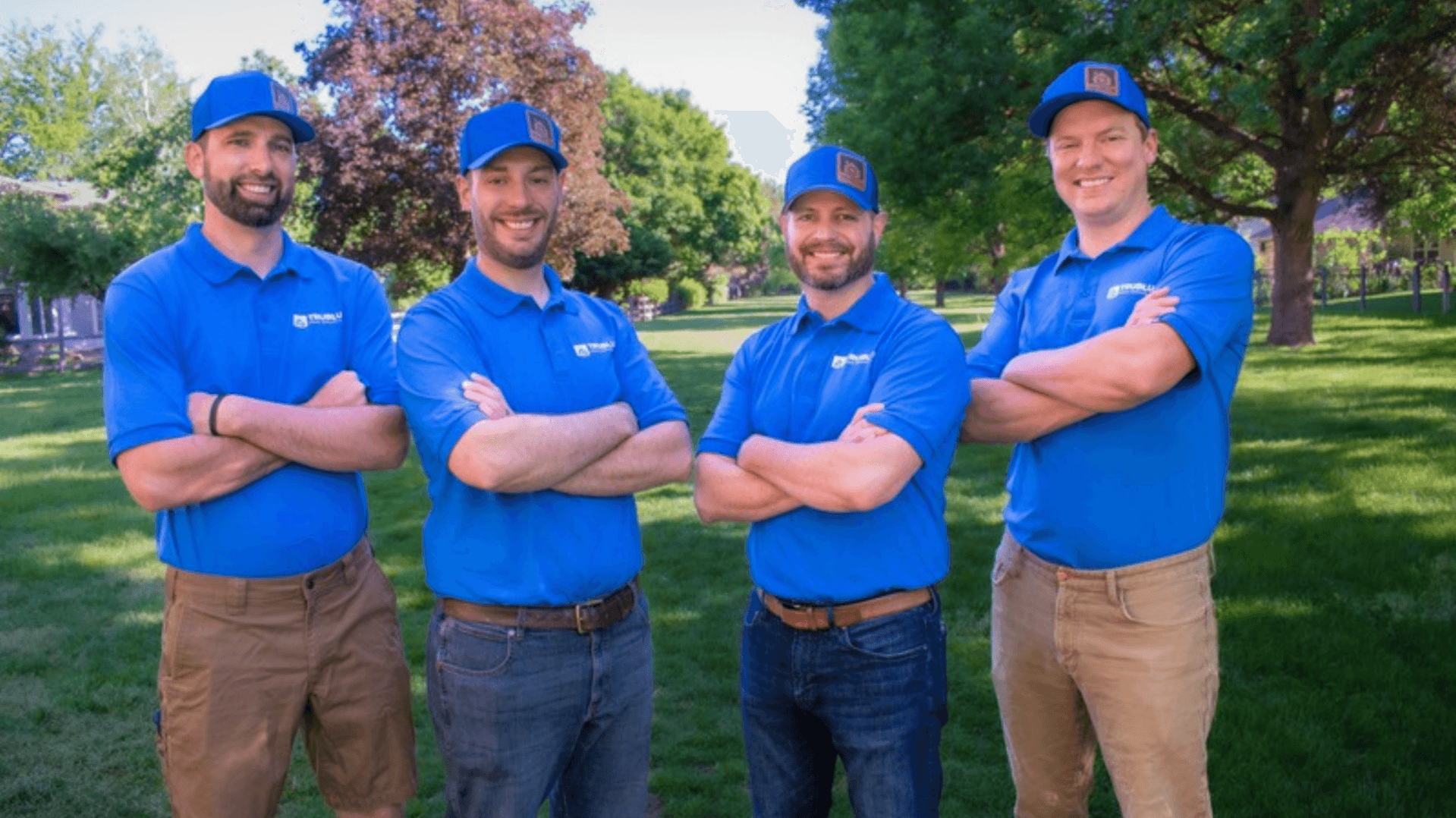
For some franchisees, succession is part of the vision from the beginning. After more than two decades building a window and door replacement company, Jeff Kinkade eventually retired. He chose TruBlue Home Service Ally for his next venture, where he could take a more strategic role while building alongside his son, Will.
“Having my son Will involved is really exciting,” Kinkade said. “His older brother was part of our previous business, and now I get to work with Will. It’s a family story, and we’re interested in helping other families.”
Longtime TruBlue franchisees Kay and Tim Diemont have approached their business with a similar perspective. The couple left corporate careers to build a company together in Yorktown, Virginia, where they had raised their two sons.
More than a decade later, they are already thinking about what the business could mean after their own careers. “Hopefully, we have built a business that either one of our sons would be proud to carry on in the future,” Kay said.
Build the Business With an Exit in Mind
A business only becomes a meaningful long-term asset if someone else can eventually operate it. That is why succession and exit planning matter even for franchisees who have no intention of leaving anytime soon. Building documented processes, developing managers, maintaining strong financial records and reducing dependence on the owner can make a company both easier to inherit and more attractive to an outside buyer.
Strategic has established processes to help owners sell their businesses, whether they find a buyer themselves, work with a business broker or seek assistance from the franchisor.
“It all starts with having a process in place for owners to sell their business, educate the new owner, allow them to work with that owner, and give the existing owner the dignity to go on to wherever they want to go,” Stapleton said.
That resale infrastructure highlights one of the biggest differences between simply creating income and building wealth. The goal isn't just to generate revenue while the owner is working. It is to create something another person may ultimately want to own.
Generational Wealth Requires a Long-Term Mindset
There is no franchise model that guarantees wealth, and building a valuable business still requires capital, discipline, leadership and years of execution. But franchising can give entrepreneurs something difficult to replicate when starting completely independently: a proven framework for building, scaling and eventually transferring a business.
“When people evaluate a franchise, naturally they want to know, ‘Can this business support the life I want today?’” Eberly said. “But another powerful question is, ‘What could this business become in 10, 15 or 20 years?’ If you build it correctly, the answer can extend well beyond your own career.”
Ultimately, that is where franchise ownership can become much more than self-employment. A paycheck supports the present. A well-built, scalable and transferable business has the potential to create choices for the future and opportunities for the generations that come next.
To learn more about Strategic Franchising Systems and its portfolio of franchise opportunities, visit https://1851franchise.com/strategicfranchising.