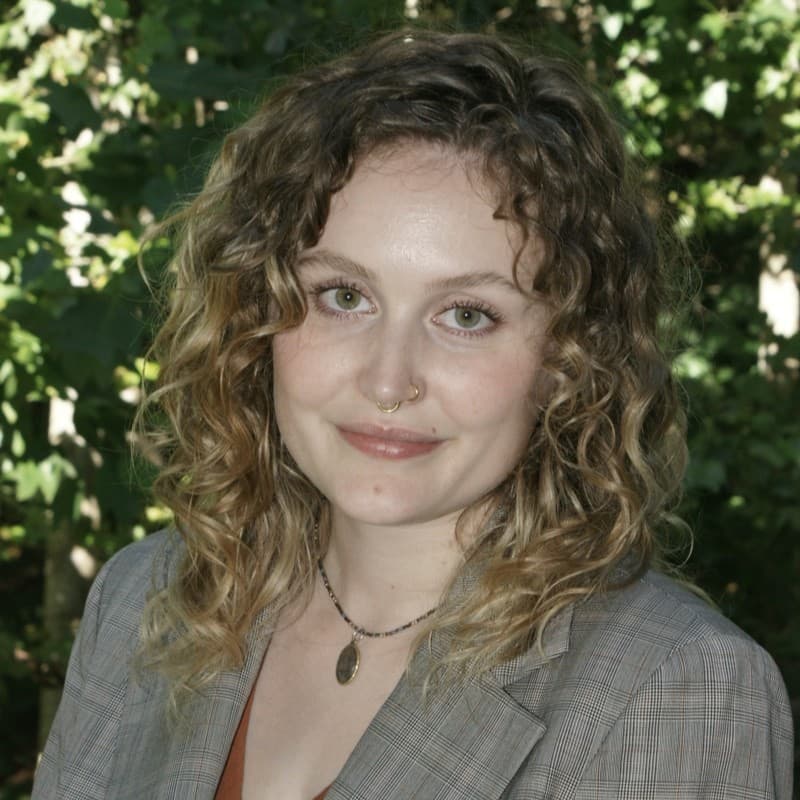
After finding her way to Checkers and Rally’s through an external public accounting role, Jennifer Durham fell into the world of franchising. Through a switch to an internal role with Checkers, time spent back outside the franchise world, then a return to franchising with Hand & Stone, Durham has learned a lot about franchise development.
In today’s industry, success requires a blend of strong unit-level economics, careful growth strategies and ongoing support for franchisees, and Durham works diligently to provide that to franchisees throughout the Hand & Stone system.
1851 Franchise spoke with Durham to learn more about her story, as well as to learn about some common mistakes she sees franchisors making in today’s industry.
A transcript of Durham’s interview with 1851 has been provided below. It has been edited for clarity, brevity and style.
1851: Tell us about your brand.
Jennifer Durham: Hand & Stone is a multi-modality concept focused on wellness. Many users of the brand know us for our massage services. Fewer folks know that we do facials. We actually do more facials than anybody in the world — almost 2 million facials were delivered last year, and we continue to grow that and grow the brand.
As it relates to wellness, we focus predominantly on massage and skin care and are continuing to expand in both of those areas by focusing on ritual and those things that become part of consumers’ both physical and mental well being.
1851: How did you get into franchising?
Durham: My first franchise experience was at Checkers and Rally’s. I lived in Tampa, Florida, and worked for a public accounting firm that audited Checkers and Rally’s. They were looking for an accounting manager, and that’s how I ended up there. Checkers was a public company at the time, and I spent 18 years there. I became familiar with franchising from the finance and accounting side and later led the technology team before moving into development, working with franchise owners to grow our footprint. After that, I joined Cooper's Hawk, a wine club restaurant, but franchising wasn't part of it. Then, I reconnected with John Teza, whom I knew from Checkers. He was promoted to CEO at Hand & Stone and approached me about the open development role. That’s how I transitioned from restaurants to wellness and franchising.
Getting into franchising was a happy accident. My finance and accounting background really helped, though, because franchising is all about the economics of the business and ensuring each location is successful. That foundation has been critical as I evaluate franchise concepts, focusing on unit-level economics first and foremost.
1851: Are there any keys to consistent franchise growth?
Durham: Yes, definitely. Focusing on unit-level economics — understanding what makes successful locations thrive and why underperforming ones struggle — is key. It's also crucial to know what the best site characteristics are and to understand the qualities of a successful franchise owner. The right owner for one brand or industry may not be the same for another, so it’s important to recognize that balance when growing a brand.
1851: What are the biggest hurdles to successful franchise growth right now?
Durham: There are several challenges, especially in the broader macro environment. Labor shortages, inflation and increased business costs are big ones. To counter that, we’ve implemented tools like ProfitKeeper, which allows franchise owners to benchmark against others in the system. We’ve also rolled out Power BI, an analytics tool that helps owners track key performance indicators to understand areas like prospect conversion rates and upgrades. Beyond that, we’re focused on improving profitability through operational changes, like reducing credit card fees. We’ve also made efforts to lower the initial investment for new spas and offer incentives for existing owners to grow more cost-effectively. Our sales-to-investment ratio is among the best in franchising at two to one, and we’re always looking for ways to improve that.
Interest rates have certainly been a challenge. The cost to borrow has risen significantly, which means prospects can afford less when financing a business. There’s also some hesitation around whether the demand for wellness services will continue, especially given the economic uncertainty of an election year. However, we educate prospects about the continued growth in the wellness space. The pandemic emphasized the importance of physical and mental well-being, which isn’t a passing trend. In fact, many consumers prioritize their Hand & Stone membership over other expenses like streaming services. It’s essential to communicate that this space is growing and consumers continue to invest in themselves.
1851: Are there any common mistakes you see franchisors making when trying to grow?
Durham: Franchisors sometimes don’t provide enough support to ensure franchisees succeed. At Hand & Stone, we’ve invested in a resource specifically dedicated to the first-year performance of new spas. Many operations teams handle both new and existing locations, but new locations need extra attention to thrive.
We also emphasize understanding the profitability of each location, not just high-level revenue figures. Different factors like rent and loan rates can affect profitability, so understanding the unique P&L of each unit is essential.
Growing too quickly and in areas far from established locations can stretch resources. We focus on filling in existing markets to build better brand awareness.
1851: What is your number one goal at the moment?
Durham: My main goal is balancing growth between new and existing franchisees. About 60% of our current pipeline consists of existing owners expanding, and we want to ensure steady, sustainable growth. We also aim to attract franchisees who are successful in other industries but want to diversify into the wellness space. Restaurant operators, for example, often excel in our model because they know how to build great teams. Finally, we’re focused on helping our single-unit operators grow to multiple locations, which improves profitability and enhances the value of their business.
Every great franchisee had help buying a franchise. Want to learn more about how 1851 helps franchisees find the right franchise opportunity? Visit www.1851growthclub.com and start your journey.