Menu innovation at most emerging franchise brands starts in a test kitchen. At Urban Bird Hot Chicken, it started with undersized chicken tenders.
Brandon Gawthorp, co-founder of the Texas-based hot chicken franchise, opened the first Urban Bird in 2020. The menu was deliberately small, built around jumbo tenders with heat levels running from no spice to "Fire in the Hole." Then the supply problem showed up.
"It says jumbo chicken tenders, but about 25% of the case wasn't jumbo. They were smaller," Gawthorp said.
Two small tenders didn't fill an order. Three was too much. With Urban Bird now selling its first franchises, Gawthorp is applying what that problem taught him to a growing system. 1851 Franchise spoke with Gawthorp about how franchise menu innovation drives growth and how to test a new offering before it reaches every location.
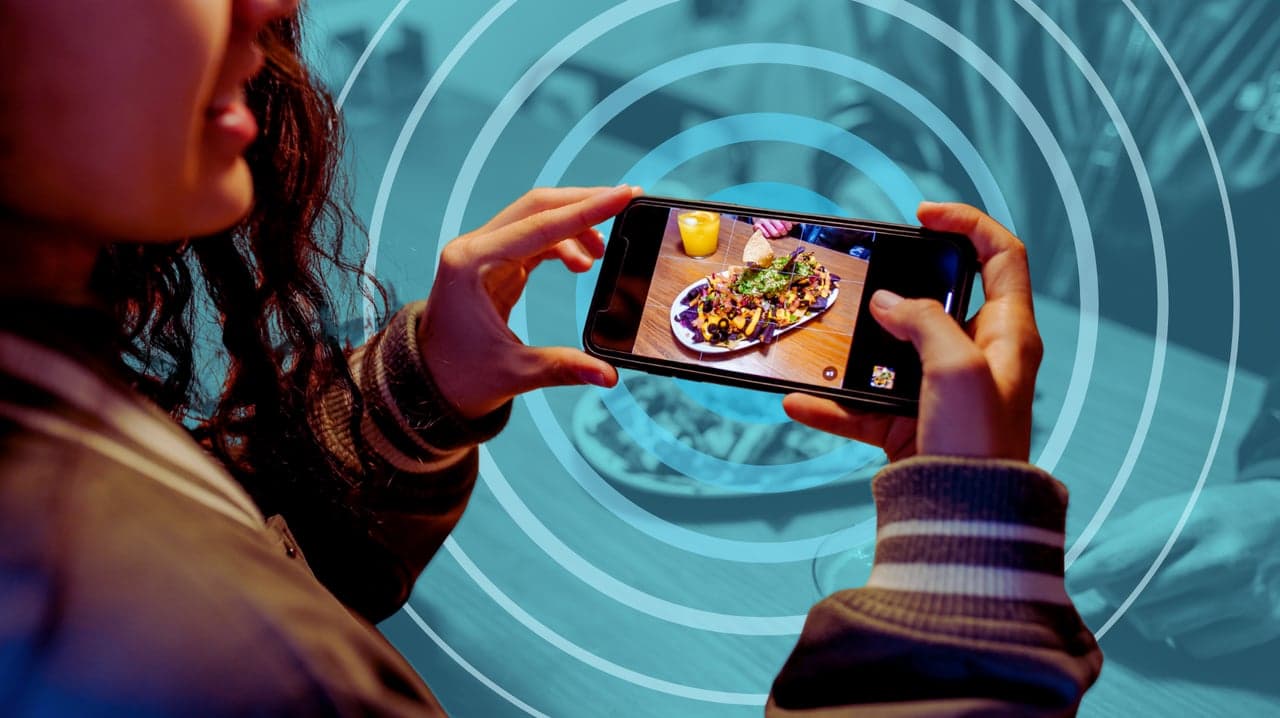
Gawthorp built a limited-time item to use up the smaller tenders. He loaded a large order of fries with the brand's white cheddar mac and cheese, chopped Nashville hot chicken, house bird sauce and pickles.
"I tried it and I was like, well, this is actually really good," he said. “So I was like, I'm going to just put it on a limited-time offering to see how it does.”
Within a month, Urban Fries were Urban Bird's No. 1 seller and the item customers posted about most. The unexpected demand changed how much of the restaurant's chicken supply went into the new offering. "It completely used up that 25% and then more," Gawthorp said.
Before Urban Fries, Gawthorp had shelved an idea for a dry rub virtual concept because it would have competed with Urban Bird in its own category. The fries gave him a better route. He launched Chronic Fries, a delivery-only brand built around loaded fries, which has since opened alongside Urban Bird in nearly every new location.
For Gawthorp, the question when developing another concept is how much the existing restaurant can accommodate without substantially changing its operations. That consideration rules out some seemingly attractive opportunities, including branching into entirely different cuisines.
"The goal is at least 80% of the products that you have," Gawthorp said. "If you can make a good concept and it works within 80% of your product mix, I think it's worth trying."
Urban Bird later acquired BunSlut, a Houston smash burger concept. Gawthorp initially tested BunSlut inside a single Urban Bird location in College Station, where sales dipped whenever the university let out.
"We tested it at one location," he said. “We didn't roll it out company-wide.”
Following the successful test, Gawthorp began introducing BunSlut at the company's other restaurants. The rollout took five to six months, including equipment changes. BunSlut appears only on delivery apps and is prepared inside Urban Bird kitchens without being promoted in the restaurants.
The BunSlut experiment also led Gawthorp to add smash burgers and a patty melt to Urban Bird's regular menu, giving customers more options beyond the brand's original chicken offerings. Gawthorp saw an opportunity to capitalize on a growing trend. "Smash burgers are definitely in trend, and that helps us a lot," he said.
Urban Bird recently ran a spicy pickle flavor as a limited-time offer, and Gawthorp said more are coming. For now, franchise development has his attention as the company builds the training platform and back-end support for its first franchisees in Kansas and Houston.
The transition from operating company-owned restaurants to supporting franchisees introduces additional considerations for menu development. Even an offering that has already performed well in one restaurant requires preparation before it can be introduced throughout a growing system.
"You got to work out all the distribution. You got to work out the point-of-purchase material, you got to work out the training aspect side of it," Gawthorp said. “It takes a lot of time.”
He plans to return to limited-time offers late this year or early next, starting with rotating flavors and loaded fry builds that are easier to execute. One candidate is the Thai Fighter fry, a maple sriracha build with ranch and jalapeños that Urban Bird pulled from the menu.
Gawthorp has good reason to consider bringing it back. Despite its removal, the offering continued generating customer interest. "Every week I had people asking for that thing back," Gawthorp said.
For emerging franchise brands, developing a popular new menu item is only part of the challenge. That item also needs to work across multiple locations without creating unnecessary complications for franchisees.
For Gawthorp, the challenge now is bringing that same approach to a growing franchise system. Urban Bird's experience with loaded fries and virtual brands has shown him what can be accomplished with existing ingredients and a single test location. As the company expands, he'll have to find ways to keep experimenting without making operations more difficult for franchisees.
Want to learn more about how 1851 helps franchisors grow their franchises with confidence? Visit www.1851growthclub.com and see what we can do for you.