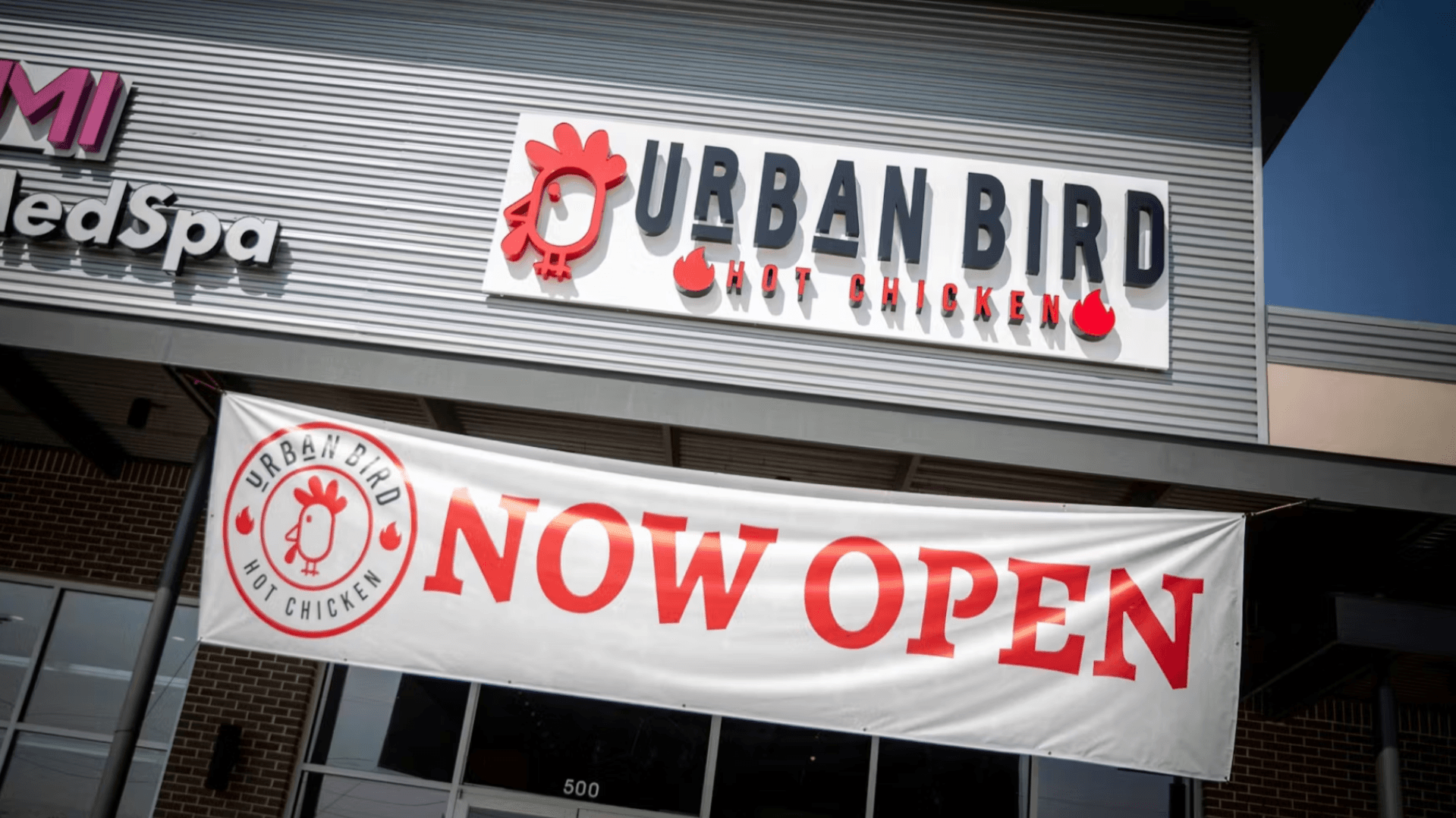
As Urban Bird Hot Chicken begins expanding through franchising, the brand has a clear idea of what it expects from the owners who will operate its restaurants. The strongest operators will spend significant time in their restaurants early on, learn the system, build their teams and make sure guests receive the same food and experience that have helped Urban Bird grow.
That involvement is especially important during the early stages of ownership. Urban Bird is looking for owners who are willing to learn how the business operates rather than treating the restaurant as a passive investment.
“I definitely think it’s all about being hands-on, being there and following the playbook,” said co-founder Brandon Gawthorp. “We want somebody who is going to be involved within their four walls, believe in what we’re doing and follow the system. That’s the kind of owner who is going to run the best operation.”
Starting With a Hands-On Role
A new Urban Bird franchise owner should expect to spend considerable time learning the restaurant during the opening period. That means understanding how food is prepared, how employees are trained, how the restaurant handles busy periods and what Urban Bird expects from the guest experience. Owners will also need time to build a dependable management team. How well that team develops will shape the owner’s role as the business becomes more established.
“I think it’s about setting the standards ahead of time,” said Chantel Fiaschetti, co-founder and president. “It’s having clear expectations of what we want and making sure they understand that our main goal is to protect the food and make it scale.”
The goal is not necessarily for an owner to remain inside one restaurant every day indefinitely. Urban Bird is looking for multi-unit franchise owners who can eventually shift some of their attention toward opening additional locations. The owner remains involved, but the work changes as the organization grows.
“We want franchisees that are going to have 10, 20, 30 stores, not just one,” Gawthorp said. “They’ll still be involved, but just in a different way from their first store.”
Protecting Consistency as Urban Bird Grows
Urban Bird has developed specific recipes, ingredients and procedures for its menu. Franchise owners may bring ideas to the business, but individual restaurants cannot make untested changes that could cause the food or guest experience to vary between locations.
“I’m very protective of every detail of Urban Bird,” Fiaschetti said. “I’m open to other people’s ideas, and I don’t claim to know everything. But we have to be clear about our expectations and what we want for the brand.”
Those expectations become particularly important with food preparation. Even a seemingly small change to an existing recipe can affect how an item works elsewhere on the menu or make it harder to provide the same product throughout the system. Urban Bird deliberately keeps its menu manageable, Fiaschetti said, because every addition creates another process that restaurant teams need to execute correctly.
Building a Team That Can Maintain the Standards
As franchise owners expand beyond their first restaurant, their ability to hire and develop managers becomes increasingly important. An owner overseeing several locations cannot personally handle every shift or watch every detail.
“They need to have the right people in the right place,” Fiaschetti said. “When you have operators with 20 or 30 stores, you have to make sure the people they put in place understand what we expect.”
The management team must understand Urban Bird’s expectations well enough to run the restaurant without the owner constantly being present. Training and inspections give franchise owners a way to keep food quality and operations consistent as they add locations.
A day in the life of an Urban Bird franchise owner will therefore change over time. Early ownership will require substantial time inside the restaurant, learning the operation and developing employees. As the owner builds a capable team and adds locations, the work can shift toward overseeing managers and developing the next restaurant.
“It’s up to good training to set those standards and then inspections to hold people accountable for meeting them,” Gawthorp said. “That’s what we have to do as franchisors. We have to train really well, and then we have to inspect what we expect.”
The responsibility that does not change is maintaining the Urban Bird experience. Whether an owner operates one restaurant or eventually oversees 20, the expectation remains that guests should receive the same food and experience wherever they visit.
To find out more information on costs to buy this franchise, please visit https://1851franchise.com/urban-bird-hot-chicken.