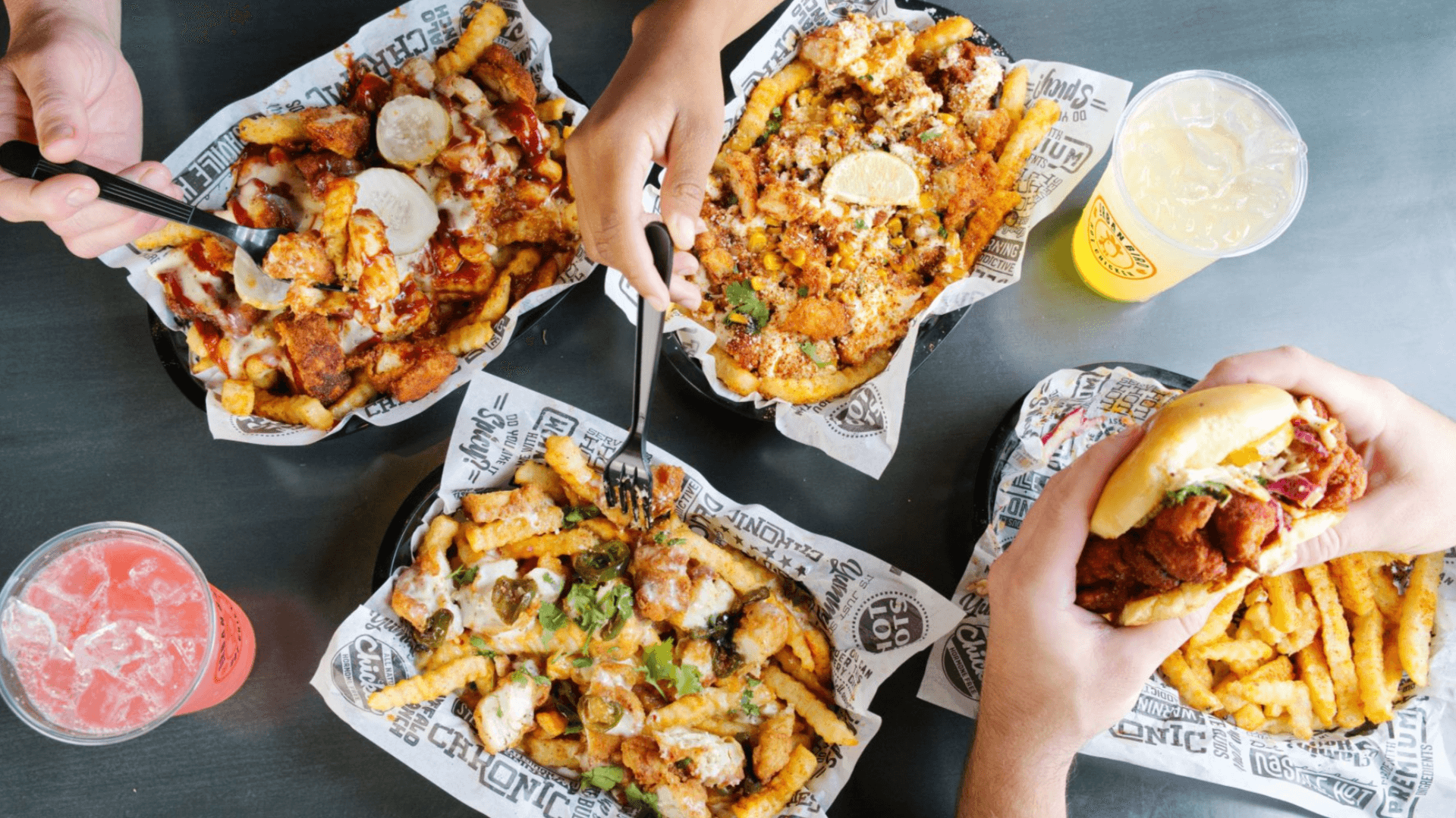
Urban Bird Hot Chicken has grown by serving Nashville-style hot chicken, but the brand's growth strategy goes well beyond its core menu. Through virtual restaurant concepts, carefully planned limited-time offerings (LTOs) and years of testing delivery platforms, the nearly 30-unit brand has found ways to help franchisees increase sales without adding another restaurant or making operations more complicated.
"Anything that's going to bring in more sales and more profit is going to be helpful," said co-founder Brandon Gawthorp. "I'm very surprised that most concepts don't have good virtual restaurants."
Instead of treating ghost kitchens as a short-term trend, Urban Bird looked for ways to make the model work over the long term by using ingredients and equipment already in each restaurant.
Making More From the Same Kitchen
Urban Bird's ghost kitchen strategy started during the COVID-19 pandemic, when many restaurants were launching delivery-only concepts.
"We opened in September during COVID, and a lot of restaurants were doing ghost kitchens just to survive," Gawthorp said. “I saw Chili's had Just Wings, Denny's had The Meltdown and several other brands were trying virtual restaurants. I thought, 'Why don't we try it, too?'”
The brand's original idea was a chicken tender concept with different dry-rub flavors, but the team quickly realized it would compete with Urban Bird's existing menu and came up with another idea. Urban Bird is known for its jumbo chicken tenders, but about one-fourth of each case contained pieces that were too small to serve as tenders.
"We advertise jumbo tenders, so I didn't know what to do with those smaller pieces," Gawthorp said. "One day I cut them up, put them over fries with mac and cheese, our Nashville hot seasoning, sauce and pickles. I tried it and it was really good, so I put it on as a limited-time offering just to move some of that product."
Within a month, it became the restaurant's No. 1 seller. That success inspired a new virtual restaurant built around loaded fries. Today, franchisees operate the concept under the Big Back Fries name. The menu uses many of the same ingredients already stocked for Urban Bird, giving franchisees another source of revenue without significantly iincreasing food costs or labor.
"It gives franchisees another opportunity for revenue," said Chantel Fiaschetti, co-founder and president of Urban Bird. "It's cool to be able to add another restaurant and provide different food options. It's another way of reaching people through third-party delivery and adding income to the bottom line."
A Ghost Kitchen That Changed One Restaurant
Urban Bird expanded the idea after acquiring the local smash burger concept BunSlut. One company-owned restaurant in College Station struggled whenever nearby college students left for summer break.
"We bought BunSlut with no intention of making it into a ghost kitchen," Fiaschetti said. “We had a location in College Station that was not very busy, so we decided, 'Let's put a BunSlut ghost kitchen in there. Maybe that will help increase sales.' It evolved from there because it gave us another way to add sales to the bottom line.”
The concept quickly helped make the restaurant profitable. Based on that success, the company expanded the burger concept across its system, giving franchisees another virtual brand they could operate from their existing kitchens.
Learning How Delivery Really Works
Gawthorp and Fiaschetti spent years figuring out what it takes to make ghost kitchens and delivery platforms profitable. Along the way, they adjusted pricing, tested promotions and refined how Urban Bird advertises on DoorDash and Uber Eats.
"It's taken a long time to really learn and figure out the delivery model," Gawthorp said. "If you just put your regular menu online at the same price, you're not going to make money. You've got delivery fees, advertising costs and different promotions you have to understand. We really got it down to a science. Now it's very good for us. It's profitable, and it helps our sales a lot."
Reaching More Customers
The virtual brands also help Urban Bird reach customers who may not be searching specifically for hot chicken. Because each concept appears in different categories on delivery platforms, the company can attract new customers while preparing many of the same menu items from a single kitchen.
"What we want to do in the future is have more ghost kitchen options," Fiaschetti said. “Franchises will be able to say, 'I'll take a Big Back Fries and I'll take a BunSlut,' and add those concepts. People use DoorDash all the time, so it's another branch of third-party delivery and another opportunity to add revenue to their bottom line.”
The company continues to test new virtual concepts before rolling them out across the system. The model allows Urban Bird to experiment without adding unnecessary complexity or investing in another brick-and-mortar restaurant.
"That's the good thing about virtual restaurants," Gawthorp said. "You can keep testing things that aren't going to overcomplicate your operations or compete too much with what you're already doing. If it works, great. If it doesn't, you move on."
Keeping LTOs Simple
Urban Bird takes a similar approach with limited-time offerings. Instead of introducing entirely new menu categories, the company focuses on seasonal flavors that fit easily into the existing operation. Its current LTO is a Spicy Pickle seasoning.
"We like doing new flavors on the chicken instead of creating a whole new menu item," Gawthorp said. “It's easier to train people on, it's easier to fit into the kitchen, and it gives customers something new to come back and try.”
Urban Bird also uses its email list to keep regular customers coming back. Each month, the company highlights a different menu item and sends subscribers a discount they can use when ordering online.
"I think it brings people back in the door because they see something new and exciting," Fiaschetti said. "They already know we have amazing food, so they're interested in trying it. People are always looking for something new to try."
Built to Help Franchisees Grow
At Urban Bird, every innovation is designed to help franchisees generate more sales from the restaurant they already own.
"If the virtual restaurants work well in a market, they can almost become another restaurant operating out of the same kitchen," Gawthorp said. “If they don't, they really don't cost you anything. You're only gaining when they do work.”
By combining virtual brands, smart delivery strategies and simple LTOs, Urban Bird gives franchisees more opportunities to increase revenue without making day-to-day operations more difficult.
To find out more information on costs to buy this franchise, please visit https://1851franchise.com/urban-bird-hot-chicken.