
Urban Bird Hot Chicken
SPONSORED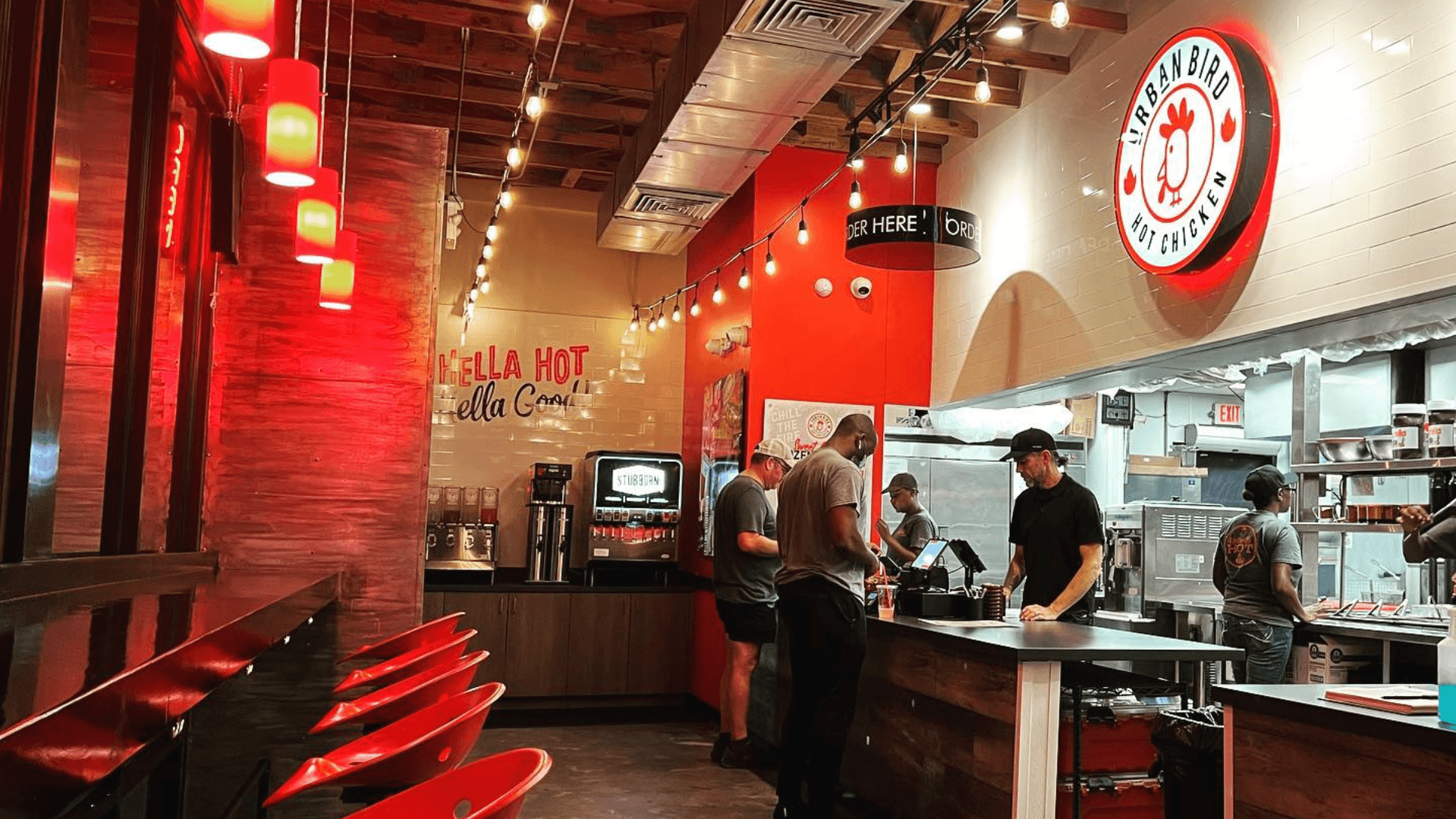
How Much Can I Make as an Urban Bird Hot Chicken Franchisee?
With company-owned locations averaging more than $1.8 million in gross sales in 2025, Urban Bird Hot Chicken is ready to expand through franchising.
Urban Bird Hot Chicken, the nearly 30-unit hot chicken franchise, gives entrepreneurs the opportunity to earn a piece of the $63.7 billion chicken restaurant segment while owning their own business. The franchise was built by experienced restaurant operators Brandon Gawthorp and Chantel Fiaschetti, who previously scaled Wingstop to 32 locations and then launched Urban Bird.
“When you’ve operated restaurants for as long as we have, you know the numbers matter just as much as the food,” Fiaschetti said. “We’ve spent years studying the business from every angle — food costs, labor, vendors, real estate strategy — and making changes that make the model stronger. When someone joins the Urban Bird system, they’re benefiting from everything we’ve learned along the way.”
Instead of rushing into franchising, the founders spent years perfecting the concept through company-owned restaurants in Texas. This has allowed franchisees to go into a system that has been tested over time and focuses on strong unit-level economics.
According to the 2026 FDD, the 12 company-owned outlets that operated for all of 2025 reported average gross sales of $1,803,101. Below are the gross sales and gross profit for each of the 12 locations.
| Location | Gross Sales | Direct Gross Profit |
| Round Rock | $3,784,619 | $1,181,782 |
| East Sam Houston Parkway | $2,777,203 | $968,149 |
| Spring Stuebner Road | $2,198,550 | $767,353 |
| Eldridge | $1,679,873 | $503,920 |
| Cypress | $1,329,035 | $418,201 |
| W Grand Parkway | $1,427,728 | $421,435 |
| Webster | $1,736,072 | $502,392 |
| Baytown | $1,370,798 | $421,382 |
| Katy Freeway | $1,658,034 | $454,004 |
| Fulshear | $1,238,784 | $369,688 |
| Richmond | $1,305,613 | $341,602 |
| College Station | $1,130,904 | $281,631 |
| Average of All 12 Locations | $1,803,101 | $552,628 |
The sales figures tell only part of the investment story. Startup costs vary by site and buildout type, with Urban Bird Hot Chicken estimating $431,300 to $837,800 for a first-generation buildout and $236,300 to $587,800 for a second-generation buildout.
When a franchisee signs a franchise agreement, there is a non-refundable $35,000 initial franchise fee, which is fully earned upon payment and calculated uniformly across the franchise system. Qualified veterans who were honorably discharged from the U.S. military may receive a $15,000 discount on their first franchise fee through the VetFran program.
The biggest part of the initial investment is construction and leasehold improvements. For a first-generation Urban Bird Hot Chicken location, the cost ranges from $220,000 to $400,000, while a second-generation buildout ranges from $25,000 to $150,000. Furniture, fixtures and equipment are another major expense at $44,000 to $144,000, followed by additional funds for the first three months of operation, which are estimated between $70,000 and $100,000.
Beyond buildout costs and the franchise fee, franchisees should also plan for expenses like lease deposits and rent, point-of-sale technology, signage and opening marketing expenses. Overall, the investment varies widely based on whether the restaurant is built from the ground up or converted from a second-generation restaurant space.
Urban Bird’s operating model was shaped through years of running company-owned restaurants before franchising began. Instead of building the concept around projections or theoretical assumptions, the founders gathered operational data across nearly 30 restaurants while testing different layouts, workflows and restaurant sizes.
That hands-on approach allowed the company to identify ways to improve efficiency and reduce unnecessary costs before franchisees entered the system. Those efforts helped reduce average store-level expenses by nearly 7% in 2025. Improvements like that can create a more efficient operating structure while helping franchisees better manage labor, food and occupancy costs over time.
Urban Bird’s leadership believes that operational discipline is one of the biggest factors behind sustainable restaurant performance. Rather than focusing only on top-line sales, the founders built the model around creating systems that support both revenue generation and long-term profitability.
To find out more information on costs to buy this franchise, please visit https://1851franchise.com/urban-bird-hot-chicken.
Urban Bird Hot Chicken
SPONSOREDWith company-owned locations averaging more than $1.8 million in gross sales in 2025, Urban Bird Hot Chicken is ready to expand through franchising.
Urban Bird Hot Chicken, the nearly 30-unit hot chicken franchise, gives entrepreneurs the opportunity to earn a piece of the $63.7 billion chicken restaurant segment while owning their own business. The franchise was built by experienced restaurant operators Brandon Gawthorp and Chantel Fiaschetti, who previously scaled Wingstop to 32 locations and then launched Urban Bird.
“When you’ve operated restaurants for as long as we have, you know the numbers matter just as much as the food,” Fiaschetti said. “We’ve spent years studying the business from every angle — food costs, labor, vendors, real estate strategy — and making changes that make the model stronger. When someone joins the Urban Bird system, they’re benefiting from everything we’ve learned along the way.”
Instead of rushing into franchising, the founders spent years perfecting the concept through company-owned restaurants in Texas. This has allowed franchisees to go into a system that has been tested over time and focuses on strong unit-level economics.
According to the 2026 FDD, the 12 company-owned outlets that operated for all of 2025 reported average gross sales of $1,803,101. Below are the gross sales and gross profit for each of the 12 locations.
| Location | Gross Sales | Direct Gross Profit |
| Round Rock | $3,784,619 | $1,181,782 |
| East Sam Houston Parkway | $2,777,203 | $968,149 |
| Spring Stuebner Road | $2,198,550 | $767,353 |
| Eldridge | $1,679,873 | $503,920 |
| Cypress | $1,329,035 | $418,201 |
| W Grand Parkway | $1,427,728 | $421,435 |
| Webster | $1,736,072 | $502,392 |
| Baytown | $1,370,798 | $421,382 |
| Katy Freeway | $1,658,034 | $454,004 |
| Fulshear | $1,238,784 | $369,688 |
| Richmond | $1,305,613 | $341,602 |
| College Station | $1,130,904 | $281,631 |
| Average of All 12 Locations | $1,803,101 | $552,628 |
The sales figures tell only part of the investment story. Startup costs vary by site and buildout type, with Urban Bird Hot Chicken estimating $431,300 to $837,800 for a first-generation buildout and $236,300 to $587,800 for a second-generation buildout.
When a franchisee signs a franchise agreement, there is a non-refundable $35,000 initial franchise fee, which is fully earned upon payment and calculated uniformly across the franchise system. Qualified veterans who were honorably discharged from the U.S. military may receive a $15,000 discount on their first franchise fee through the VetFran program.
The biggest part of the initial investment is construction and leasehold improvements. For a first-generation Urban Bird Hot Chicken location, the cost ranges from $220,000 to $400,000, while a second-generation buildout ranges from $25,000 to $150,000. Furniture, fixtures and equipment are another major expense at $44,000 to $144,000, followed by additional funds for the first three months of operation, which are estimated between $70,000 and $100,000.
Beyond buildout costs and the franchise fee, franchisees should also plan for expenses like lease deposits and rent, point-of-sale technology, signage and opening marketing expenses. Overall, the investment varies widely based on whether the restaurant is built from the ground up or converted from a second-generation restaurant space.
Urban Bird’s operating model was shaped through years of running company-owned restaurants before franchising began. Instead of building the concept around projections or theoretical assumptions, the founders gathered operational data across nearly 30 restaurants while testing different layouts, workflows and restaurant sizes.
That hands-on approach allowed the company to identify ways to improve efficiency and reduce unnecessary costs before franchisees entered the system. Those efforts helped reduce average store-level expenses by nearly 7% in 2025. Improvements like that can create a more efficient operating structure while helping franchisees better manage labor, food and occupancy costs over time.
Urban Bird’s leadership believes that operational discipline is one of the biggest factors behind sustainable restaurant performance. Rather than focusing only on top-line sales, the founders built the model around creating systems that support both revenue generation and long-term profitability.
To find out more information on costs to buy this franchise, please visit https://1851franchise.com/urban-bird-hot-chicken.
Sign up for the 1851 Franchise newsletter to get our biggest stories before everyone else
By signing up, you agree to our user agreement (including class action waiver and arbitration provisions), and acknowledge our privacy policy.

No related articles found