America, the land of opportunity, has always championed the little guy. The belief that anyone can be successful through hard work and determination has been a foundation for success in the U.S.—so why is the National Labor Relations Board (NLRB) attacking small businesses?
 
As confusion and concern reign supreme in the wake of the NLRB’s August ruling among business owners, some worry franchise owners will be the ones suffering most from the decision.
 
From restaurants and gyms to lawn maintenance and senior care, franchise brands have positively contributed to the economic stimulation of their communities through job creation and providing valuable goods and services.
 
However, all too often there’s a negative connotation associated with the franchise model concept. McDonald’s, one of the world’s most recognizable and profitable franchises, is widely considered as the preeminent fixture in franchising. But unlike the brand synonymous with the Golden Arches, the harsh reality is most franchises are in fact small businesses. The lack of financial flexibility for the majority of these companies could result in their ultimate demise.
 
So how can the perception of franchising change?
 
According to Sean Fitzgerald, chief development strategist at No Limit Agency*, it begins with the International Franchise Association (IFA).
 
“The IFA is the largest voice in franchising. They need to be strong representatives for not only franchisors, but also franchisees,” he said.
 
The NLRB joint employer ruling questions the relationship between a franchisor and a franchisee, and what constitutes as a joint employer. And although virtually no franchise agreement grants a franchisor the right to exercise control over the terms of a franchisee’s employees, almost every franchise agreement grants the franchisor the right to establish and modify standards of operation of franchised outlets.
 
Fitzgerald said he believes the IFA needs to put an emphasis on educating the NLRB, law makers and the general public on the differences between large corporate franchises and the small-to-mid-size brands that represent a majority of franchise concepts. He said instead of arguing with the independent agency, the franchise advocate group needs to change the way it delivers its message to teach how the ruling impacts independent owners. 
 
"There needs to be a reeducation of how small business owners are impacted by their decisions,” he said. “The perception of franchising is McDonald’s or Wendy’s—they think of big quick-service companies. But there are a lot of small businesses negatively impacted by the ruling by being lumped in with the big boys.”
 
The voice of franchising needs to change, otherwise the backbone of the American economy—the little guy—is at risk of being facing a significant disadvantage in the business world.

Don’t Miss the Next Big Franchise Story

Sign up for the 1851 Franchise newsletter to get our biggest stories before everyone else

By signing up, you agree to our user agreement (including class action waiver and arbitration provisions), and acknowledge our privacy policy.
Nick Powills

About the Author

Nick Powills

Follow

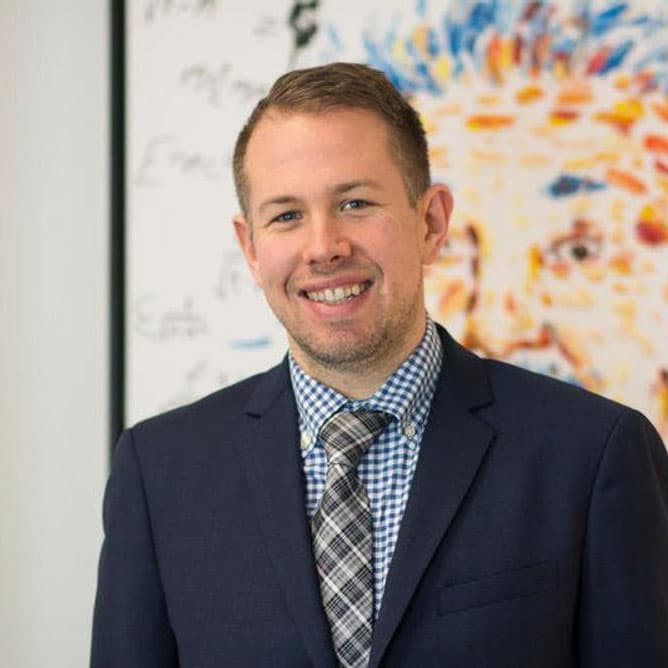
Nick Powills, CFE, founded No Limit Agency in 2008 and serves as Chief Brand Strategist for the Chicago-based firm. No Limit is a full-service communications agency that establishes and elevates brands by bridging Public Relations, Social Media, Marketing, Advertising, Digital, and a lot of creativity, to best strategize well-rounded and successful campaigns for 50+ global franchise brands. By presenting visionary ideas and building real relationships, No Limit is able to create effective media branding strategies to help companies grow. Nick currently leads a staff of writers, media strategists, designers, social media experts and digital producers in an office think-tank where brands are humanized for strong, compelling media stories. Prior to starting No Limit at the age of 27, Nick spent four years working at a franchise PR agency where he mastered the art of building rapport with media outlets and creating newsworthy pitches for earned media placements. He holds a Bachelor of Journalism from Drake University in Iowa.