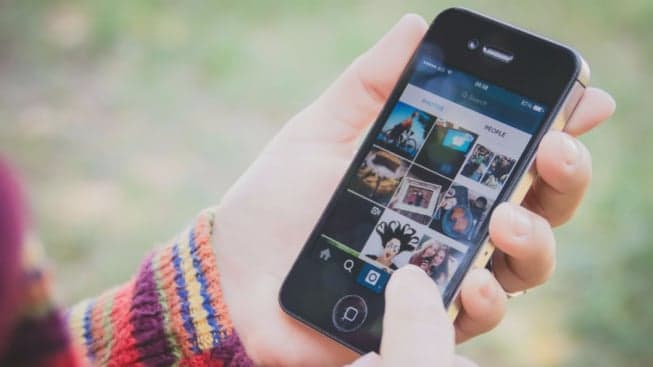
Since the beginning of time (a.k.a. the introduction of social media as we know it), we have been trained to view web postings from our friends in a certain orderly fashion. Refresh the top of your various feeds, and you will see the latest news at the top. The further back you scroll, the older the material gets.

 
But with more than 400 million monthly users and growing (brands included), Instagram, like so many other online networks, is trying to find a better way to deal with the sheer amount of content flowing through their network on a minute-by-minute basis. On March 15, Instagram announced that they have decided to shift away from a chronological timeline in favor of an algorithmically determined churn of posts that will allegedly appeal to a given user’s preferences and sensibilities.
 
“On average, people miss about 70 percent of the posts in their Instagram feed,” said Kevin Systrom, co-founder and chief executive of Instagram, in an interview with New York Times. “What this is about is making sure that the 30 percent you see is the best 30 percent possible.”
 
Some are calling the move the “death of organic social media.” But what does this mean for franchises that rely on the platform to promote and expose their brand? It’s not yet clear how Instagram will prioritize which posts get pushed into news feeds other than that they’ll be based on users’ interests and will likely incentivize brands to run posts as ads.
 
“Increasingly, we’re telling our clients, ‘If you’re not going to put money behind promoting your content, organic engagement is a real tough thing to produce sustainably,” said Kyle Bunch, managing director of social at R/GA, in an interview with Ad Week.
 
Other experts believe this change will force brands to be a little more thoughtful about the content they push out.
 
“While likes and comments have always been a metric for sponsored content, engagement will now push views and resulting impressions in a way it never has before. Influencers will need truly engaged followers to build and guarantee awareness—a large audience is not merely enough. In addition, greater incentive will be placed on acquiring likes and comments through direct calls to action, such as tagging a friend, like-it-to-own it and double-click for more information. Time will tell how the new model affects user engagement with sponsored content, as well as its ratio to brand advertisements,” said Tracie Nall, community manager at Sway Group Agency, SocialTimes.

Don’t Miss the Next Big Franchise Story

Sign up for the 1851 Franchise newsletter to get our biggest stories before everyone else

By signing up, you agree to our user agreement (including class action waiver and arbitration provisions), and acknowledge our privacy policy.
Nick Powills

About the Author

Nick Powills

Follow

Nick Powills, CFE, founded No Limit Agency in 2008 and serves as Chief Brand Strategist for the Chicago-based firm. No Limit is a full-service communications agency that establishes and elevates brands by bridging Public Relations, Social Media, Marketing, Advertising, Digital, and a lot of creativity, to best strategize well-rounded and successful campaigns for 50+ global franchise brands. By presenting visionary ideas and building real relationships, No Limit is able to create effective media branding strategies to help companies grow. Nick currently leads a staff of writers, media strategists, designers, social media experts and digital producers in an office think-tank where brands are humanized for strong, compelling media stories. Prior to starting No Limit at the age of 27, Nick spent four years working at a franchise PR agency where he mastered the art of building rapport with media outlets and creating newsworthy pitches for earned media placements. He holds a Bachelor of Journalism from Drake University in Iowa.