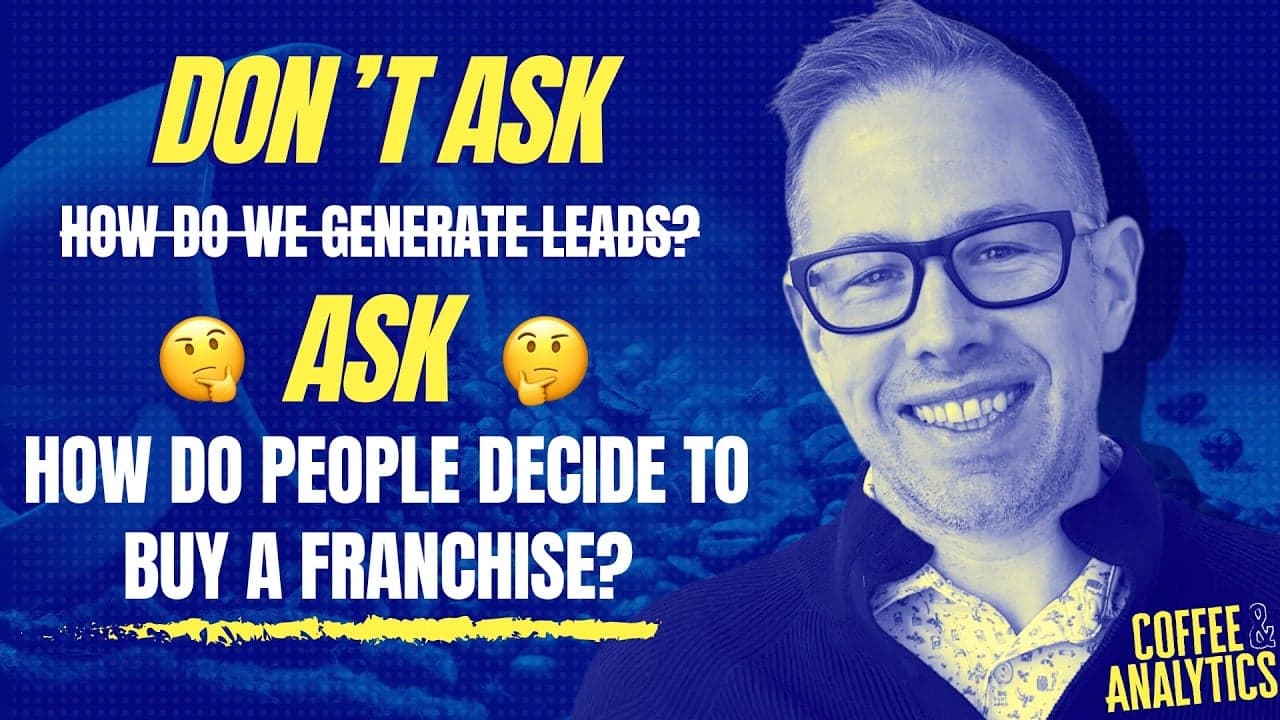
Franchise Legal Player: Mike Drumm
Firm: Drumm Law
Mike Drumm has built a career on the belief that franchise law should be as practical and efficient as the businesses it protects. As the founder of Drumm Law, a virtual firm that challenges the traditional billable-hour model, Drumm has abandoned the high overhead, suit-and-tie approach in favor of technology-driven, business-minded legal representation. With a focus on litigation avoidance and specialized expertise in navigating the complexities of the "accidental franchise," he acts as both a legal shield and a strategic advisor to entrepreneurs.
1851 Franchise connected with Drumm to discuss the importance of centralized compliance, why franchisors should never "beta test" on their franchisees and the lessons from two decades in the industry that continue to shape his philosophy of providing efficient, low-overhead legal services.
1851 Franchise: What originally drew you to franchise law and what has kept you engaged in the space over time
Mike Drumm: I was a husky kid growing up so my love of franchises came at an early age. As the founder of a law firm (an entrepreneur), I like helping other entrepreneurs (franchisors) help other entrepreneurs (franchisees).
1851: As franchising continues to evolve, what legal issue do you see brands most often underestimating today?
Drumm: I see brands underestimating the “accidental franchise” all the time. It’s the business equivalent of a “we’re just hanging out” mantra suddenly turning into a 20-year marriage with a mortgage. These brands think they’re just doing a “license agreement” or a “partnership” because they want to avoid the F-word: franchising. Then they realize they’ve provided a brand, collected a fee and exerted control (and legally, they’ve just eloped without a prenup). By the time they call me, I’m basically a divorce attorney trying to fix a marriage that was never supposed to happen.
1851: In your experience, where do emerging franchisors tend to get tripped up from a compliance or documentation standpoint?
Drumm: Emerging brands often treat documentation like a chore they can catch up on later. But I see it as the foundation of the house. If you aren't dotting your i’s, crossing your t’s and making sure those lower-case j’s are handled, then the whole structure is shaky. I’m constantly pushing my clients to move away from ad hoc paperwork and toward a centralized compliance database. It’s about creating a single source of truth for every FDD version and every signed receipt. It’s not the most glamorous part of the business. But it’s the difference between a brand that scales and a brand that gets stuck in litigation purgatory.
1851: How should franchisors be thinking about risk management as they scale into new markets or add new unit growth strategies?
Drumm: My biggest piece of advice for scale is to never beta test on the backs of your franchisees. If you have a new growth strategy, prove it yourself first at a company-owned site. It’s a lot easier to fix a mistake when it’s your own bank account on the line. Controlled growth with a purpose will pay off in dividends in the future.
1851: What distinguishes your approach or philosophy when working with franchise clients?
Drumm: Litigation avoidance. If you go to court (or arbitration), only the lawyers win. I prefer to get my wins on closing deals and not by going to court.
1851: Looking back, what lesson from your legal career has had the greatest impact on how you advise clients today?
Drumm: The client may not know that the legal document is excellent, but they will know that you misspelled their name. Sincerely, Mike Drum of Dumm Law.
Every great franchisee had help buying a franchise. Want to learn more about how 1851 helps franchisees find the right franchise opportunity? Visit www.1851growthclub.com and start your journey.