
The Brass Tap
SPONSORED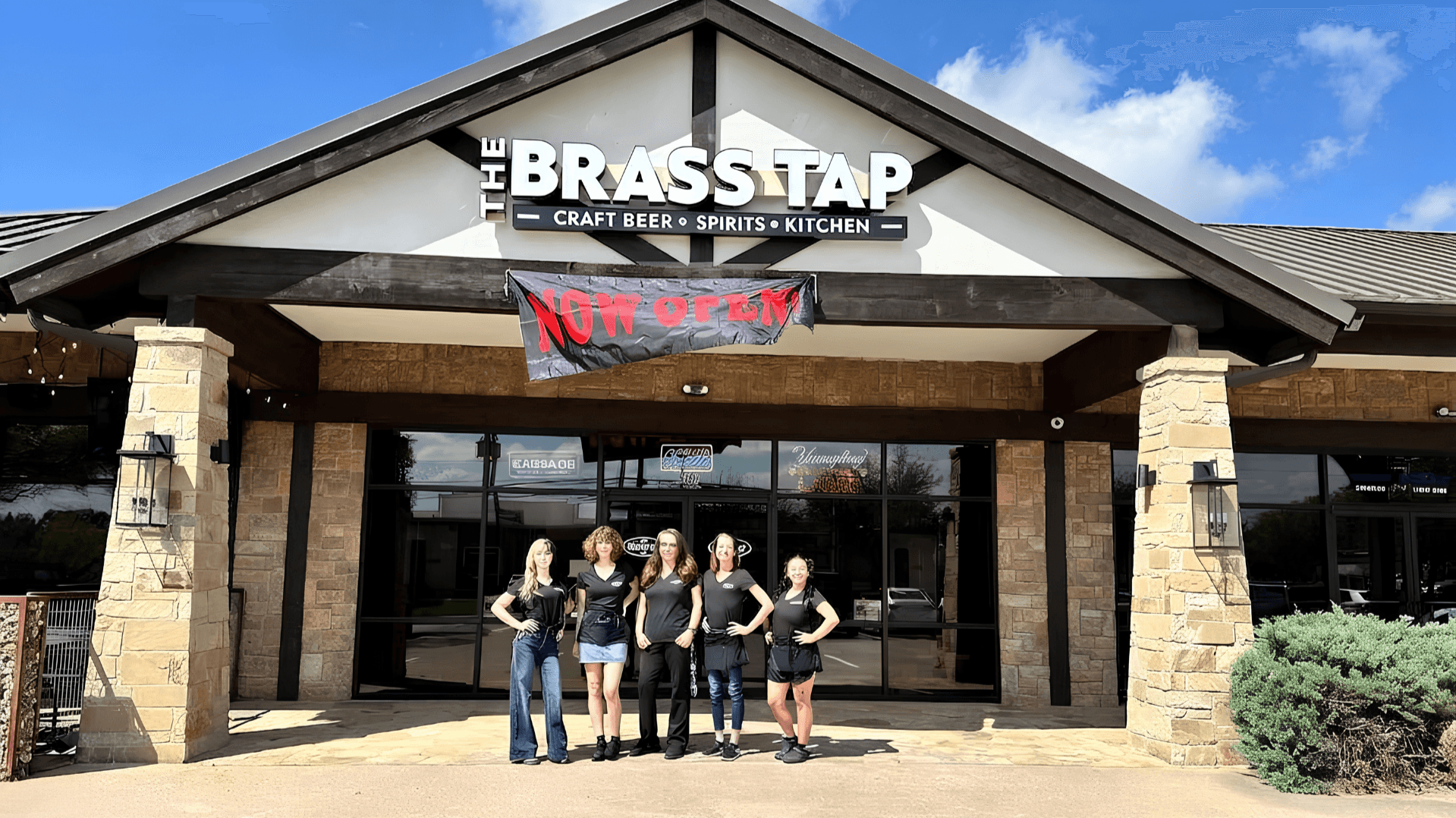
The Brass Tap Franchise: 10 Reasons to Buy in 2026
The Brass Tap pairs its craft beer roots with a full kitchen, cocktails, entertainment and room for franchisees to make each location feel at home in its market.
The Brass Tap has come a long way from its roots as a craft beer bar. Today, the concept pairs an extensive beverage selection with a full food menu, entertainment and a neighborhood-focused atmosphere designed to give guests reasons to come back throughout the week.
For prospective franchise owners, that evolution has created a restaurant and bar model with several ways to generate sales and enough flexibility to reflect its local market. Behind it is FSC Franchise Co., which provides the infrastructure, operational support and restaurant experience franchisees need to build the business.
Here are 10 reasons The Brass Tap stands out as a franchise opportunity in 2026.
Craft beer remains part of The Brass Tap's identity, but the concept is no longer dependent on beer alone. The brand has expanded its food program and beverage offerings to reach customers looking for different experiences, whether that means dinner, cocktails, watching a game or discovering something new on tap.
That broader appeal gives franchisees more ways to bring customers through the door and serve different occasions throughout the day and week.
“Our guests want discovery. They want a great beer they haven’t tried. Or unique food that surprises them. Or a space that feels social without being overwhelming,” said Scott SirLouis, chief operating officer of FSC Franchise Co. “The Brass Tap delivers that.”
The Brass Tap is built around more than what happens at the table. Live music, trivia, sports viewing, tap takeovers and other events can turn an ordinary weeknight into an occasion and help franchisees establish regular traffic beyond traditional restaurant dayparts.
That experience-driven approach matters especially for a concept competing for consumers' discretionary spending. A strong food and beverage offering may get someone through the door, but the social environment gives them another reason to make The Brass Tap part of their routine.
The Brass Tap provides the framework of an established restaurant brand without requiring every location to feel identical. Franchisees can build connections with regional breweries, participate in community events and shape aspects of their location around the customers they serve.
That balance has long been part of the brand's positioning. Heather Boggs, chief marketing officer for The Brass Tap, described the approach in an interview with 1851 Franchise.
“The Brass Tap is very locally driven, so each location has the opportunity to really drive their own initiatives by supporting local breweries and distilleries in their community,” Boggs said.
For franchisees, that flexibility can help a location feel connected to its neighborhood rather than disconnected from it.
Opening a restaurant requires owners to navigate real estate, construction, training, vendors, marketing and day-to-day operations. The Brass Tap gives franchisees systems and support for those parts of the business rather than requiring them to develop everything independently.
Pratham Patel saw the value of that infrastructure firsthand when he entered restaurant ownership after studying computer science.
“Before going through this process, I didn’t really understand what franchising actually provides. I had a pretty negative perception — I assumed it was mostly about high royalty fees with limited support in return,” Patel said. “But once I started working with The Brass Tap, I quickly realized they approach it as a true partnership. When I began this journey, I had no experience negotiating leases, navigating tenant improvement allowances, or running food and hospitality operations. The support I’ve received from my franchisor has been instrumental.”
That support can be especially valuable for owners whose leadership or business experience comes from outside the restaurant industry.
The Brass Tap's evolution beyond its craft beer origins has also broadened its revenue mix. Beer remains a major draw, but guests can also choose from cocktails, wine and a full food menu. Catering, private events and entertainment can create additional occasions for customers to visit.
Patel noted that versatility when evaluating the concept.
“What stood out to me about The Brass Tap is that it’s not limited to craft beer — it’s a full-service bar with a premium liquor selection and a full-service kitchen,” Patel said. “That versatility really appealed to me.”
A broader offering also allows franchisees to appeal to groups whose members may have different reasons for choosing where to go.
A neighborhood concept depends on relationships, and The Brass Tap gives owners opportunities to build those connections through events, local partnerships and everyday interaction with regular customers.
Becky Samaniego has experienced that since opening The Brass Tap in Lubbock, Texas. Her transition from health care to restaurant ownership changed how she and her family interact with their community.
“Be prepared to grow. You're going to learn a lot, meet so many people and build relationships you never expected,” Samaniego said. “Your family gets bigger, your friend group gets bigger, and you become part of your community in a different way.”
For franchise owners willing to be visible locally, those relationships can become an important part of establishing a location's identity.
The Brass Tap is part of FSC Franchise Co., which gives franchisees support from a broader restaurant organization. It also gives the company a place to test operational changes before rolling them out across the system.
“We don’t ask franchisees to be our test kitchen,” SirLouis said. “If something goes systemwide, it’s because it’s already been tested and perfected.”
For owners, an experienced franchisor's value extends beyond opening day. Restaurant operations continue to change as consumer preferences, technology and costs evolve, making ongoing development of the model an important part of the franchise relationship.
The Brass Tap continues to expand into new markets, leaving territory available for entrepreneurs interested in bringing the concept to additional communities. That white space can also create opportunities for franchisees who ultimately want to expand beyond one location.
Growth, however, depends on local execution. Franchisees still need to build teams, develop their customer base and operate restaurants that perform well enough to support further expansion. The opportunity is to do that within a system designed to accommodate additional development rather than treating each restaurant as a stand-alone venture.
The Brass Tap franchise system has attracted owners from a range of professional backgrounds. What matters is an ability to lead people, engage with the community and commit to learning the restaurant business.
Troy Nelson, a former firefighter who became a The Brass Tap franchise owner in Colorado Springs, Colorado, said the franchise structure helped him tackle the learning curve of becoming a young business owner.
“I always recommend going the franchise route. You learn so much. I’m 27 years old, going to be 28 in August, and I don’t know everything,” Nelson said. “When you get to sit down and learn about stuff and learn history, it takes a lot of hiccups away.”
For prospective owners coming from another industry, an established operating model can provide structure while they develop the restaurant-specific skills they need.
The Brass Tap's evolution from a craft beer-focused concept into a broader restaurant and bar experience shows a willingness to adjust the model as the market changes. That work continues through menu development, technology, operational improvements and changes to the guest experience.
Longtime franchise owner Barry Lowenthal has seen that evolution firsthand, particularly in the technology available to operators.
“I’ve seen how The Brass Tap has invested in its I.T. infrastructure over the years — it went from an afterthought to a core part of their growth strategy,” Lowenthal said. “That’s been a game-changer for franchisees, providing us with better tools to manage our businesses.”
That continued investment matters because franchisees are making a long-term commitment. The restaurant they open today needs an organization behind it that will keep evaluating what guests want and what operators need.
The case for The Brass Tap rests on how the pieces of the concept work together. Franchisees get an established restaurant and bar model with multiple revenue opportunities, room for local personality and a guest experience built around repeat visits. They also have the resources of FSC Franchise Co. behind them as they open and operate their restaurants.
For someone looking at a bar or restaurant franchise in 2026, The Brass Tap offers a way to build a local gathering place with the backing of an experienced restaurant franchise organization.
To find out more information on costs to buy this franchise, please visit https://1851franchise.com/brasstap.
The Brass Tap
SPONSOREDThe Brass Tap pairs its craft beer roots with a full kitchen, cocktails, entertainment and room for franchisees to make each location feel at home in its market.
The Brass Tap has come a long way from its roots as a craft beer bar. Today, the concept pairs an extensive beverage selection with a full food menu, entertainment and a neighborhood-focused atmosphere designed to give guests reasons to come back throughout the week.
For prospective franchise owners, that evolution has created a restaurant and bar model with several ways to generate sales and enough flexibility to reflect its local market. Behind it is FSC Franchise Co., which provides the infrastructure, operational support and restaurant experience franchisees need to build the business.
Here are 10 reasons The Brass Tap stands out as a franchise opportunity in 2026.
Craft beer remains part of The Brass Tap's identity, but the concept is no longer dependent on beer alone. The brand has expanded its food program and beverage offerings to reach customers looking for different experiences, whether that means dinner, cocktails, watching a game or discovering something new on tap.
That broader appeal gives franchisees more ways to bring customers through the door and serve different occasions throughout the day and week.
“Our guests want discovery. They want a great beer they haven’t tried. Or unique food that surprises them. Or a space that feels social without being overwhelming,” said Scott SirLouis, chief operating officer of FSC Franchise Co. “The Brass Tap delivers that.”
The Brass Tap is built around more than what happens at the table. Live music, trivia, sports viewing, tap takeovers and other events can turn an ordinary weeknight into an occasion and help franchisees establish regular traffic beyond traditional restaurant dayparts.
That experience-driven approach matters especially for a concept competing for consumers' discretionary spending. A strong food and beverage offering may get someone through the door, but the social environment gives them another reason to make The Brass Tap part of their routine.
The Brass Tap provides the framework of an established restaurant brand without requiring every location to feel identical. Franchisees can build connections with regional breweries, participate in community events and shape aspects of their location around the customers they serve.
That balance has long been part of the brand's positioning. Heather Boggs, chief marketing officer for The Brass Tap, described the approach in an interview with 1851 Franchise.
“The Brass Tap is very locally driven, so each location has the opportunity to really drive their own initiatives by supporting local breweries and distilleries in their community,” Boggs said.
For franchisees, that flexibility can help a location feel connected to its neighborhood rather than disconnected from it.
Opening a restaurant requires owners to navigate real estate, construction, training, vendors, marketing and day-to-day operations. The Brass Tap gives franchisees systems and support for those parts of the business rather than requiring them to develop everything independently.
Pratham Patel saw the value of that infrastructure firsthand when he entered restaurant ownership after studying computer science.
“Before going through this process, I didn’t really understand what franchising actually provides. I had a pretty negative perception — I assumed it was mostly about high royalty fees with limited support in return,” Patel said. “But once I started working with The Brass Tap, I quickly realized they approach it as a true partnership. When I began this journey, I had no experience negotiating leases, navigating tenant improvement allowances, or running food and hospitality operations. The support I’ve received from my franchisor has been instrumental.”
That support can be especially valuable for owners whose leadership or business experience comes from outside the restaurant industry.
The Brass Tap's evolution beyond its craft beer origins has also broadened its revenue mix. Beer remains a major draw, but guests can also choose from cocktails, wine and a full food menu. Catering, private events and entertainment can create additional occasions for customers to visit.
Patel noted that versatility when evaluating the concept.
“What stood out to me about The Brass Tap is that it’s not limited to craft beer — it’s a full-service bar with a premium liquor selection and a full-service kitchen,” Patel said. “That versatility really appealed to me.”
A broader offering also allows franchisees to appeal to groups whose members may have different reasons for choosing where to go.
A neighborhood concept depends on relationships, and The Brass Tap gives owners opportunities to build those connections through events, local partnerships and everyday interaction with regular customers.
Becky Samaniego has experienced that since opening The Brass Tap in Lubbock, Texas. Her transition from health care to restaurant ownership changed how she and her family interact with their community.
“Be prepared to grow. You're going to learn a lot, meet so many people and build relationships you never expected,” Samaniego said. “Your family gets bigger, your friend group gets bigger, and you become part of your community in a different way.”
For franchise owners willing to be visible locally, those relationships can become an important part of establishing a location's identity.
The Brass Tap is part of FSC Franchise Co., which gives franchisees support from a broader restaurant organization. It also gives the company a place to test operational changes before rolling them out across the system.
“We don’t ask franchisees to be our test kitchen,” SirLouis said. “If something goes systemwide, it’s because it’s already been tested and perfected.”
For owners, an experienced franchisor's value extends beyond opening day. Restaurant operations continue to change as consumer preferences, technology and costs evolve, making ongoing development of the model an important part of the franchise relationship.
The Brass Tap continues to expand into new markets, leaving territory available for entrepreneurs interested in bringing the concept to additional communities. That white space can also create opportunities for franchisees who ultimately want to expand beyond one location.
Growth, however, depends on local execution. Franchisees still need to build teams, develop their customer base and operate restaurants that perform well enough to support further expansion. The opportunity is to do that within a system designed to accommodate additional development rather than treating each restaurant as a stand-alone venture.
The Brass Tap franchise system has attracted owners from a range of professional backgrounds. What matters is an ability to lead people, engage with the community and commit to learning the restaurant business.
Troy Nelson, a former firefighter who became a The Brass Tap franchise owner in Colorado Springs, Colorado, said the franchise structure helped him tackle the learning curve of becoming a young business owner.
“I always recommend going the franchise route. You learn so much. I’m 27 years old, going to be 28 in August, and I don’t know everything,” Nelson said. “When you get to sit down and learn about stuff and learn history, it takes a lot of hiccups away.”
For prospective owners coming from another industry, an established operating model can provide structure while they develop the restaurant-specific skills they need.
The Brass Tap's evolution from a craft beer-focused concept into a broader restaurant and bar experience shows a willingness to adjust the model as the market changes. That work continues through menu development, technology, operational improvements and changes to the guest experience.
Longtime franchise owner Barry Lowenthal has seen that evolution firsthand, particularly in the technology available to operators.
“I’ve seen how The Brass Tap has invested in its I.T. infrastructure over the years — it went from an afterthought to a core part of their growth strategy,” Lowenthal said. “That’s been a game-changer for franchisees, providing us with better tools to manage our businesses.”
That continued investment matters because franchisees are making a long-term commitment. The restaurant they open today needs an organization behind it that will keep evaluating what guests want and what operators need.
The case for The Brass Tap rests on how the pieces of the concept work together. Franchisees get an established restaurant and bar model with multiple revenue opportunities, room for local personality and a guest experience built around repeat visits. They also have the resources of FSC Franchise Co. behind them as they open and operate their restaurants.
For someone looking at a bar or restaurant franchise in 2026, The Brass Tap offers a way to build a local gathering place with the backing of an experienced restaurant franchise organization.
To find out more information on costs to buy this franchise, please visit https://1851franchise.com/brasstap.
Sign up for the 1851 Franchise newsletter to get our biggest stories before everyone else
By signing up, you agree to our user agreement (including class action waiver and arbitration provisions), and acknowledge our privacy policy.

No related articles found