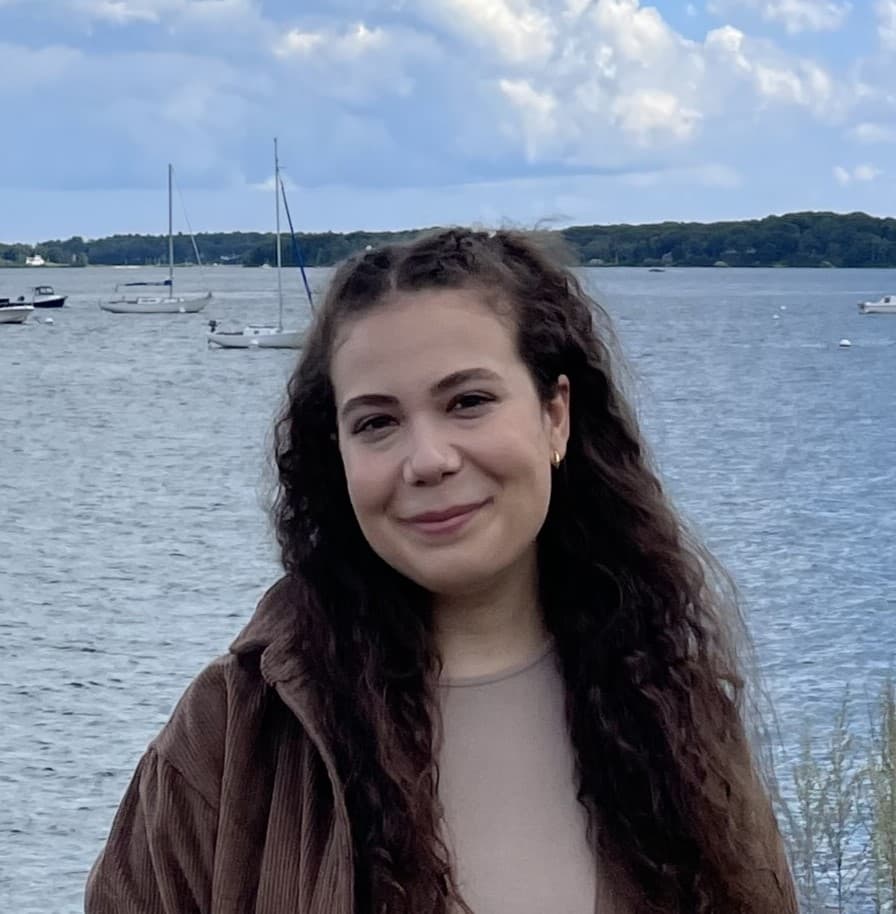
Employees at The Brass Tap in Palm Coast, Florida, don't stop training once they've learned their jobs. General Manager Tiffany Nichols brings the team together about four times a year to review the basics, and everyone follows the same procedures whether they've been with the restaurant five days or five years. The work has earned franchisee Ed Schatz and his team the Training Champion Award at the 2026 conference hosted by parent company FSC Franchise Co.

Schatz opened the Palm Coast location in May 2017. He came into the business with a background in landscaping and landscape management rather than hospitality. The Brass Tap appealed to him because of its established operating systems, potential returns and relatively low labor costs compared with other restaurant concepts.

Nichols brought extensive restaurant experience to the business. She has spent 14 years with The Brass Tap, working at six locations and serving on the corporate training and new-store opening teams. She and her husband moved to Palm Coast when the restaurant opened and have since established their lives there.

Their efforts appear to be paying off. Nichols said the restaurant is performing ahead of last year, which was already its strongest financial year since opening. She attributes some of that success to consistent training and the team's willingness to work together.

"Our biggest thing is that if a customer comes in on a Tuesday and then comes in again and orders the exact same thing on Friday, it should taste the same and come out exactly the same, no matter who's in the kitchen or who's behind the bar making their drinks," Nichols said.

Training Doesn't End After the First Week

Every new employee at the Palm Coast restaurant completes at least five training shifts. The first day usually involves shadowing an experienced employee, learning the restaurant layout, and getting familiar with the equipment. Front-of-house employees also begin learning the point-of-sale system, while kitchen employees become familiar with their stations.

“Training progresses from there depending on whether you're in the front or back of house, and you pick up different stations or tasks,” Nichols said. “By your last day of training, you're being shadowed by your trainer.”

The restaurant also uses The Brass Tap's corporate training videos, which are available through the Opus learning management system. The videos cover everything from food preparation to greeting customers and recommending beers. Corporate adds new materials whenever the brand introduces menu items or limited-time offerings.

“The videos are very in-depth, so we have all of the trainees follow those,” Nichols said.

“Throughout the year, we usually have four meetings where we go over the basics as if it were somebody's first week of training. It helps keep everybody up to the standards set by corporate and by what we want.”

She has found that employees can fall into habits that differ from company procedures, particularly if they've worked at other restaurants. Regular training gives her an opportunity to correct those habits before they affect service.

The kitchen is one area where she pays particularly close attention. Cooks are expected to measure ingredients, weigh portions and follow recipes exactly. Nichols wants customers to know they'll receive the same meal every time they visit, regardless of who's working.

Everyone Is Responsible for the Customer

The Palm Coast team also expects employees to help one another, particularly during busy shifts. The restaurant doesn't employ hosts or barbacks, so servers and bartenders share many of those responsibilities.

"We're very big on teamwork and working together," Nichols said. “That means greeting each other's tables and running each other's food.”

She makes it clear during training that employees shouldn't send customers looking for someone else when they can handle a request themselves. A server might be in the kitchen or occupied with another table, and Nichols doesn't want customers waiting unnecessarily.

The kitchen operates the same way. If one station becomes overwhelmed with orders, employees working at other stations are expected to step in and help. A cook working the grill, for example, might move over to the fry station until the team catches up.

Giving Employees Opportunities to Move Up

Nichols and her management team also look for employees who are ready to take on additional responsibilities. Sometimes employees express an interest in advancing. Other times, managers recognize someone who has consistently performed well and offer that person an opportunity to do more.

"I always let the current management have a say as well," Nichols said. “They can identify who's really doing things the best way just as well as I can, if not better, when we need somebody to move up.”

Employees who advance into management don't all receive identical responsibilities. Nichols considers their individual strengths when deciding what they should oversee. One manager might handle ordering, while another takes responsibility for inventory. Someone with strong front-of-house experience might oversee the servers and make sure cleaning and side work are completed. That person might also help keep employees current on beer and menu knowledge. Dividing responsibilities this way gives employees an opportunity to gain management experience while making sure important tasks are covered.

Training Has Helped the Restaurant Continue Growing

The Palm Coast restaurant has been operating for nearly a decade, and Nichols said the business is having another strong year. Its performance is particularly encouraging after the difficulties the restaurant experienced during the COVID-19 pandemic.

Over the years, the management team has learned how many employees it needs and what qualities to look for when hiring. Nichols believes those lessons, combined with continued training, have contributed to the restaurant's financial performance.

"We're coming up on nine and a half years, and we're up this year from last year," Nichols said. “Last year was already our best year financially since we've been open.”

Nichols also appreciates the resources available through The Brass Tap's franchise system. Corporate provides training materials and regularly updates the menu, giving individual locations access to resources they would otherwise have to develop themselves. Her experience with the company has been positive enough that she and her husband hope to become franchise owners themselves. They're interested in either buying into the Palm Coast location or opening another restaurant with Schatz and the current owners.

For Schatz, who entered the restaurant business without a hospitality background, the franchise's established systems provided a foundation for operating the business. Nichols has used her years of experience to put those resources to work, adapting the restaurant's daily operations to the needs of its employees and customers.

The Training Champion Award recognizes the work they've put into developing their team. As the restaurant continues to grow, Nichols plans to maintain the same expectations by making sure employees know their jobs, follow established procedures and help one another during busy shifts.

To find out more information on costs to buy this franchise, please visit https://1851franchise.com/brasstap/info. 

Don’t Miss the Next Big Franchise Story

Sign up for the 1851 Franchise newsletter to get our biggest stories before everyone else

By signing up, you agree to our user agreement (including class action waiver and arbitration provisions), and acknowledge our privacy policy.

Victoria Campisi

About the Author

Victoria Campisi

Follow

All Articles

No related articles found