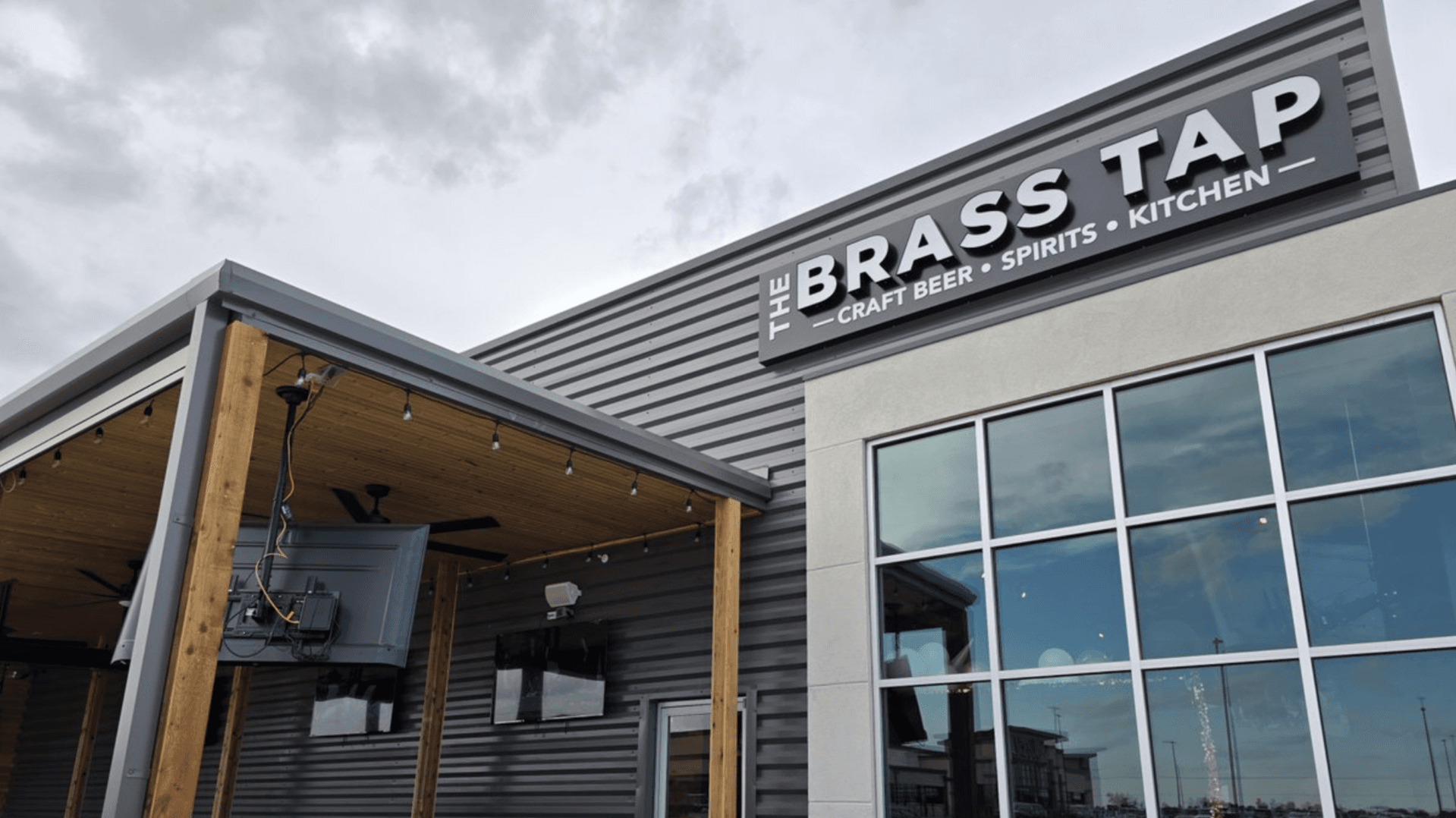
Opening a bar takes more than a great beer list. For The Brass Tap franchisees, the estimated initial investment can start under $600,000.
According to The Brass Tap’s 2026 Franchise Disclosure Document (FDD), the estimated initial investment for one location ranges from $535,350 to $1,738,675. That assumes a restaurant of roughly 3,200 to 3,800 square feet. Where you open, what kind of space you take over and how much work that space needs can move the number quite a bit.
That’s a pretty wide range. But when you look at what goes into opening a full restaurant and bar, it starts to make more sense. Here’s a breakdown of what to expect when it comes to investing in the best social gathering place, The Brass Tap.
What Does the Initial Investment Include?
Type of Expenditure
Estimated Cost
Franchise Fee
$25,000
Training Fee
$20,000
Leasehold Improvements
$196,000 - $883,000
Lease Deposit
$9,900 - $28,125
Equipment
$130,000 - $360,500
Furnishings & Fixtures
$22,000 - $115,000
Audio & Video Equipment
$25,000 - $75,000
Signage
$10,000 - $20,000
Initial Inventory
$25,000 - $30,000
Architect Fees & Permits
$7,500 - $15,000
Computer System
$13,000 - $15,600
Computer Support (3 Months)
$1,950
Training Travel, Lodging & Meals
$2,500 - $8,000
Licenses & Permits
$1,500 - $7,500
Insurance
$4,000 - $18,000
Promotional & Advertising (3 Months)
$3,000 - $8,000
Professional Fees
$3,000 - $8,000
Liquor License
$10,000 - $50,000
Additional Funds (3 Months)
$20,000 - $40,000
Utility Deposits & Impact Fees
$6,000 - $10,000
Total
$535,350 - $1,738,675
One of the biggest variables is the space itself. Leasehold improvements can run from $196,000 to $883,000, while liquor license costs range from an estimated $10,000 to $50,000 depending on the jurisdiction.
What Are the Ongoing Fees?
Once the doors open, franchisees pay a 4% royalty on Adjusted Gross Sales and contribute 2% of Adjusted Gross Sales to the Marketing and Development Fund. There’s also a $250 monthly IT Fee and $100 monthly Website Fee.
The 4% royalty isn’t only about keeping The Brass Tap name on the sign. Franchisees operate within an established system and receive ongoing guidance around operations, purchasing, suppliers, menus, business methods, advertising and marketing. That matters when you’re running a business with food, alcohol, staffing, inventory and dozens of other operational pieces moving each day.
What Kind of Support Do Franchisees Get?
Plenty happens well before the first beer is poured or burger served. For a franchisee opening a first location, The Brass Tap provides up to five trainers during the two weeks before opening and three trainers during the week after opening. Training covers front-of-house operations, POS systems, accounting, marketing, staffing, food safety and day-to-day management.
“There's a lot that goes into opening a restaurant and bar, and we don't expect a franchisee to figure it all out on their own,” said Scott SirLouis, COO of The Brass Tap and FSC Franchise. “We have a system in place to help owners understand the operation, get their team trained and be ready for opening day. Then our support continues after the doors open, because that's when you really start putting everything you've learned into practice.”
How Much Can The Brass Tap Franchisees Make?
Here’s where the numbers get interesting: 40 reporting The Brass Tap locations averaged $1,382,100 in adjusted gross sales in 2025, with a median of $1,296,589. The highest reporting location generated $3,721,568. Of the reporting locations, 43% of stores met or exceeded the average total revenue.
Results vary by location, and factors such as market conditions, management and execution can influence individual restaurant performance. For multi-unit owner Ohm Patel, the opportunity goes beyond revenue numbers. He sees The Brass Tap as a way to build neighborhood gathering places that reflect the communities they serve. For prospective franchisees, that broader potential can factor into the equation when weighing the upfront investment against what the model has achieved.
How Much Does It Cost to Open a Franchise With The Brass Tap?
With an initial investment starting under $600,000, The Brass Tap offers franchisees an established restaurant-and-bar model with strong sales potential and room for multi-unit growth.
Opening a bar takes more than a great beer list. For The Brass Tap franchisees, the estimated initial investment can start under $600,000.
According to The Brass Tap’s 2026 Franchise Disclosure Document (FDD), the estimated initial investment for one location ranges from $535,350 to $1,738,675. That assumes a restaurant of roughly 3,200 to 3,800 square feet. Where you open, what kind of space you take over and how much work that space needs can move the number quite a bit.
That’s a pretty wide range. But when you look at what goes into opening a full restaurant and bar, it starts to make more sense. Here’s a breakdown of what to expect when it comes to investing in the best social gathering place, The Brass Tap.
What Does the Initial Investment Include?
Type of Expenditure
Estimated Cost
Franchise Fee
$25,000
Training Fee
$20,000
Leasehold Improvements
$196,000 - $883,000
Lease Deposit
$9,900 - $28,125
Equipment
$130,000 - $360,500
Furnishings & Fixtures
$22,000 - $115,000
Audio & Video Equipment
$25,000 - $75,000
Signage
$10,000 - $20,000
Initial Inventory
$25,000 - $30,000
Architect Fees & Permits
$7,500 - $15,000
Computer System
$13,000 - $15,600
Computer Support (3 Months)
$1,950
Training Travel, Lodging & Meals
$2,500 - $8,000
Licenses & Permits
$1,500 - $7,500
Insurance
$4,000 - $18,000
Promotional & Advertising (3 Months)
$3,000 - $8,000
Professional Fees
$3,000 - $8,000
Liquor License
$10,000 - $50,000
Additional Funds (3 Months)
$20,000 - $40,000
Utility Deposits & Impact Fees
$6,000 - $10,000
Total
$535,350 - $1,738,675
One of the biggest variables is the space itself. Leasehold improvements can run from $196,000 to $883,000, while liquor license costs range from an estimated $10,000 to $50,000 depending on the jurisdiction.
What Are the Ongoing Fees?
Once the doors open, franchisees pay a 4% royalty on Adjusted Gross Sales and contribute 2% of Adjusted Gross Sales to the Marketing and Development Fund. There’s also a $250 monthly IT Fee and $100 monthly Website Fee.
The 4% royalty isn’t only about keeping The Brass Tap name on the sign. Franchisees operate within an established system and receive ongoing guidance around operations, purchasing, suppliers, menus, business methods, advertising and marketing. That matters when you’re running a business with food, alcohol, staffing, inventory and dozens of other operational pieces moving each day.
What Kind of Support Do Franchisees Get?
Plenty happens well before the first beer is poured or burger served. For a franchisee opening a first location, The Brass Tap provides up to five trainers during the two weeks before opening and three trainers during the week after opening. Training covers front-of-house operations, POS systems, accounting, marketing, staffing, food safety and day-to-day management.
“There's a lot that goes into opening a restaurant and bar, and we don't expect a franchisee to figure it all out on their own,” said Scott SirLouis, COO of The Brass Tap and FSC Franchise. “We have a system in place to help owners understand the operation, get their team trained and be ready for opening day. Then our support continues after the doors open, because that's when you really start putting everything you've learned into practice.”
How Much Can The Brass Tap Franchisees Make?
Here’s where the numbers get interesting: 40 reporting The Brass Tap locations averaged $1,382,100 in adjusted gross sales in 2025, with a median of $1,296,589. The highest reporting location generated $3,721,568. Of the reporting locations, 43% of stores met or exceeded the average total revenue.
Results vary by location, and factors such as market conditions, management and execution can influence individual restaurant performance. For multi-unit owner Ohm Patel, the opportunity goes beyond revenue numbers. He sees The Brass Tap as a way to build neighborhood gathering places that reflect the communities they serve. For prospective franchisees, that broader potential can factor into the equation when weighing the upfront investment against what the model has achieved.