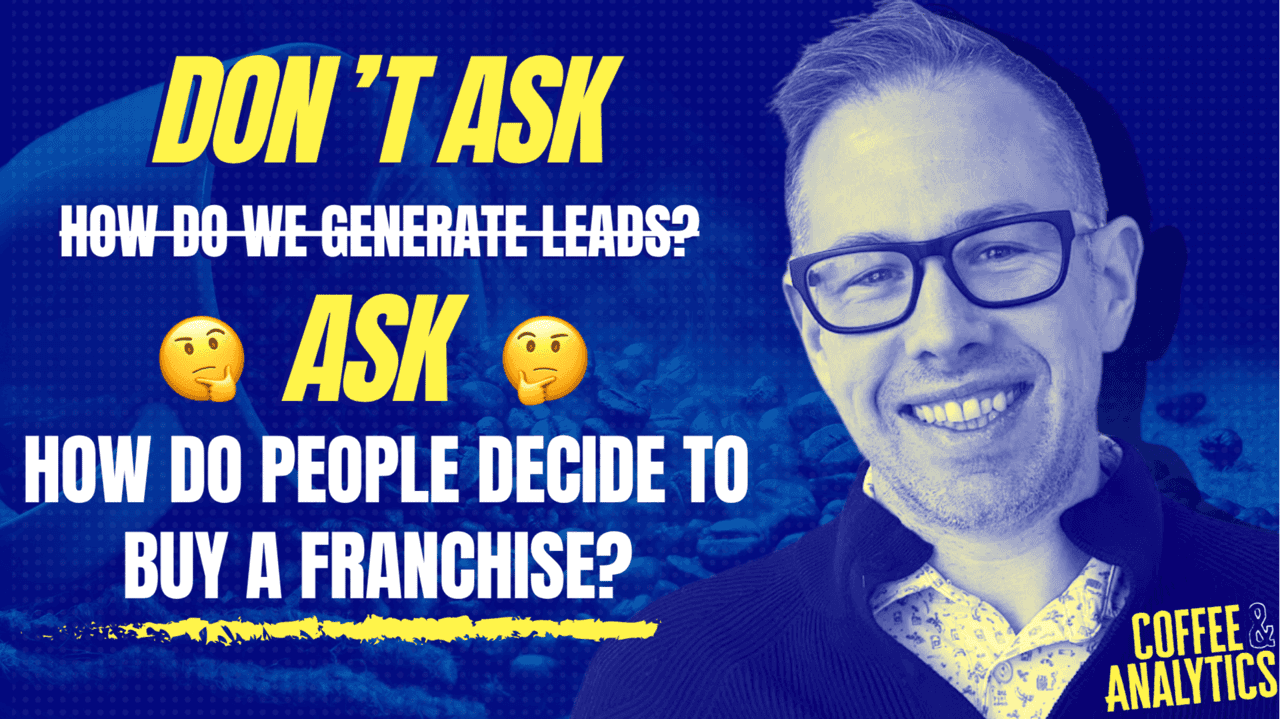
Influencer marketing gives franchise brands access to audiences they might not otherwise reach, but the increasing volume of sponsored content has made it harder to stand out. Brands must decide which relationships are worth investing in, how much to spend promoting creator content and whether their campaigns are bringing customers into individual locations. Meanwhile, user-generated content (UGC) gives franchisees another way to promote their businesses through the experiences of their customers.
What works for one franchise location might not work for another. Franchisees need some freedom to create content for their local audiences, with corporate providing the guidelines and resources to keep everyone on the same page.
Rethinking Influencer Marketing
Influencer marketing is no longer simply a matter of sending products to creators and hoping their followers respond. As sponsored content becomes more common, franchise brands need to consider whether the creators they select can reach the right customers and whether their campaigns justify the expense.
"I feel like there's a gray area around this: What is an influencer? How is this impactful? How are we measuring it?" said Natalie Hurley, vice president of marketing at Layne's Chicken Fingers. “It's such a tactic now that's being used across so many brands, but I don't think it's done necessarily well. It's just kind of white noise now.”
Brands are increasingly treating creator relationships as advertising investments rather than relying exclusively on organic exposure. This means establishing campaign objectives, negotiating content usage rights and deciding how creator-produced materials will be distributed.
"The brands that are doing it well — it's now advertising. You're now paying for it, essentially," Hurley said. “So that, to me, is paid media, digital media and almost like brand sponsorships versus these authentic organic influencer programs.”
A large following doesn't necessarily translate into customers for a franchise location. A creator might have thousands of followers nationwide but very few in the area surrounding a particular restaurant. Brands need to look at audience location and engagement before committing to a partnership.
Why Local Creator Relationships Matter
National advertising can introduce consumers to a franchise brand, but individual locations still need to establish themselves in their communities. Local creators, business owners and other recognizable community members can help introduce a new franchise to nearby customers.
"I think the low-hanging fruit in franchise marketing is engaging with your local community and really tapping into the notion of becoming a neighbor," Hurley said. “I think that's such an opportunity to almost become a pillar in that community by going out into the field on the streets, even just within the one-to-two-mile radius of your restaurant, introducing yourself, inviting business owners, key tastemakers and influencers in the market to come experience it.”
Franchisees can start by inviting local influencers to visit their businesses, attend grand openings or try their services. Staying in touch with these creators and involving them in community events can help generate additional exposure and introduce the business to more local customers.
Corporate marketing teams can make this work easier by giving franchisees resources for identifying potential creators, arranging visits and coordinating promotional activities. Individual owners can then concentrate on establishing relationships rather than developing every marketing initiative independently.
The Limitations of Micro-Influencers
Micro-influencers have attracted attention because their smaller audiences can be highly engaged and concentrated within particular communities. However, working with numerous smaller creators doesn't guarantee that a campaign will reach enough people to make a meaningful difference.
"I think a couple of years ago, this idea of micro-influencers was such a thing," Hurley said. "It was like, 'Oh, if we just have loads of micro-influencers, it's going to be tremendous reach.' It's not, because social media algorithms have evolved to become so pay-to-play that it's somewhat irrelevant."
Even when local creators produce engaging content, their posts may reach only a small audience. Franchise brands need to determine whether paid advertising is necessary to get that content in front of more potential customers.
"You have to have such reach and such engagement to really go truly viral organically," Hurley said. “And so, without the support of this kind of paid engine behind you, I think that this idea of the micro-influencers getting reach that way falls flat. I don't think it really is as effective as people have romanticized it to be.”
Franchisors can start by working with a few creators, evaluating their results and putting advertising dollars behind the content that performs well. They can also target paid promotions to customers near individual franchise locations, making better use of their local marketing budgets.
Making User-Generated Content Work Across a Franchise System
Creator partnerships aren't the only source of social media content available to franchise brands. Customers regularly share photos, videos and reviews of their experiences, providing material that individual locations can potentially use in their own marketing.
A restaurant might repost a customer's photo of their meal, while a home service franchise could share pictures of a completed job or a customer review. These posts give potential customers a look at the business through the experiences of people who have already used it.
The difficulty comes when a franchise system attempts to collect and manage content across dozens or hundreds of locations. Individual owners may have access to valuable customer submissions but lack the time or resources to turn them into regular marketing materials.
Corporate marketing teams can establish a process for collecting UGC, reviewing submissions and obtaining permission to reuse customer content. Approved materials can then be organized in a shared library that franchisees can access for their local social media accounts.
Measuring Results and Managing Marketing Investments
Franchise brands need to know whether their investment in influencers is producing sales. Although views, likes and comments can show how many people are seeing and interacting with content, they don't tell marketers how many customers actually visited a location or made a purchase.
"I think it's heavily leaned on as something that's going to drive traffic and revenue," Hurley said. “I think it's very hard to quantify that today, and brands are noticing that and are going to be a little bit more focused and more strategic in how they approach influencers in general.”
Franchise brands can use trackable links, promotional codes and location-specific offers to
gather more information about campaign performance. Comparing results across different creators and markets can also help marketing teams decide where to direct future spending.
As franchise systems grow, corporate marketing teams can use campaign results to identify which tactics are worth using in other markets. They can then provide franchisees with proven marketing materials and guidelines that can be adapted for their individual locations.
Creator partnerships and UGC will continue to provide opportunities for franchise brands, but managing them effectively requires more than producing a steady stream of social media posts. Franchisors need to give individual owners practical resources, establish clear expectations for creator relationships and determine which investments are generating meaningful results.
Want to learn more about how 1851 helps franchisors grow their franchises with confidence? Visit www.1851growthclub.com and see what we can do for you.