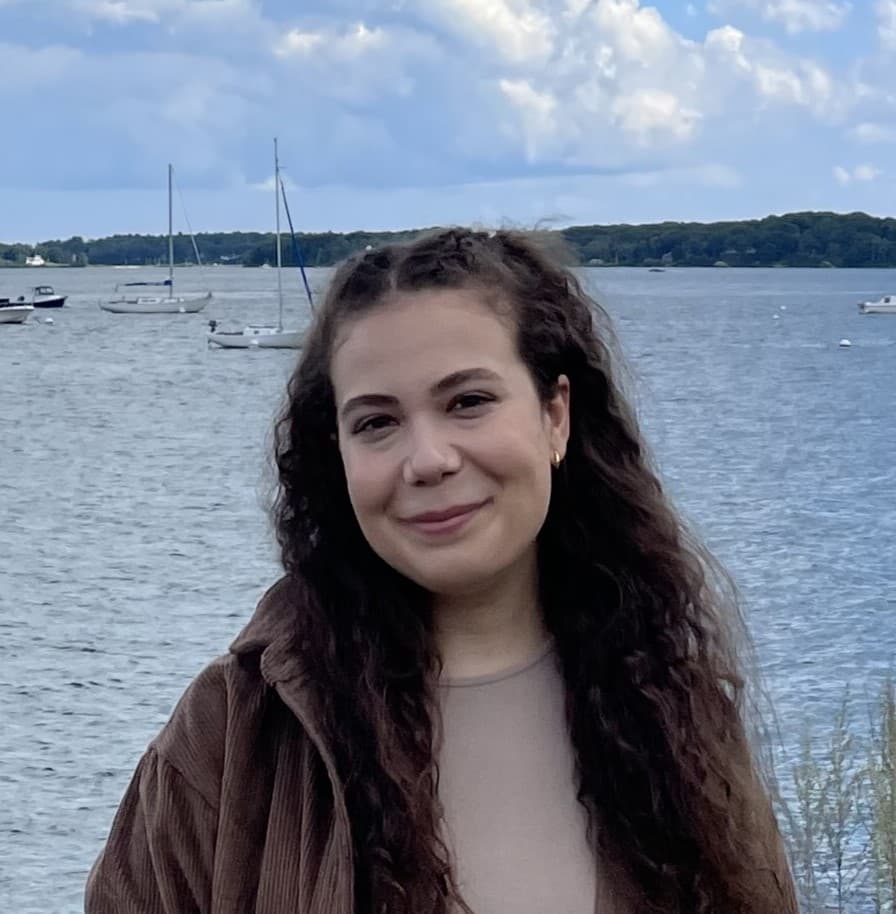
Natalie Perkins, founder and CEO of Bella Ballerina, has turned her passion for dance into a boutique studio franchise that’s reshaping how children experience the art of movement. The brand focuses on fostering creativity, confidence and well-being in young dancers through storybook-themed curricula and a child-centered approach. At the same time, it offers franchisees a lifestyle-friendly business model designed to empower people who are seeking purpose and flexibility in their careers.
In a recent episode of Nick Powills’ “Franchisor Hot Seat” podcast, Perkins shared how her journey began with a simple observation during her own daughter’s dance classes. Dissatisfied with what was available, she envisioned a fresh, supportive environment for children that broke away from traditional dance studio pressures. What started as a single studio has since evolved into a franchise model that prioritizes community impact, scalability and innovation, including flat-fee royalty structure.
A transcript of Powills’ interview with Perkins has been provided below. It has been edited for brevity, clarity and style.
Nick Powills: All right, Natalie, first you, then Bella. What’s your franchise story? How did you accidentally fall into franchising?
Natalie Perkins: Yeah, everybody accidentally falls into it, I feel like. My daughter was three at the time and we had put her into dance classes. I grew up dancing and teaching, so it felt very natural to start dance classes at that age.
At the time, I was looking to start an entirely different business, but I couldn’t get the capital. I was really young and had gone to 13 banks, all of which said, “No thanks.” While watching my daughter in class, I thought, This isn’t great. I wasn’t happy with it, so I checked out other studio options, but nothing really thrilled me.
There was nothing like the dance world I grew up in. Then I had this aha moment while sitting in her studio one day: Wait a second. This is an industry I know well and grew up in. Why am I not doing this? I realized I could recreate what I had as a kid but with a fresh, unique twist on it.
Powills: All right, so you create the business. Is franchising in the cards on day one, or how do you end up falling into that part?
Perkins: From the start, I thought, Okay, we’re either going to open 30 locations ourselves or franchise. It’s going to be one or the other. We decided to feel it out as we went.
About three locations in, I realized franchising was probably the more realistic option for me. Not that opening 30 locations wasn’t possible, but considering my bandwidth and what I was enjoying about the business, it just made more sense. I was starting to grow out of my role of simply working in and owning the studios. I really wanted to give this opportunity to more people, and that’s what it boiled down to.
Powills: So you make that decision. I assume you go find a franchise consultant to help you franchise?
Perkins: No, I made all the wrong moves at first. I hired an attorney who wasn’t a franchise attorney, and I think we wrote the worst FDD [Franchise Disclosure Document] in the world for our first one.
It wasn’t until I started working with a franchise legal specialist that things became much easier. Honestly, the best advice I can offer is to get your team together — find mentors who’ve walked the road before you. Make sure your legal team and advisors specialize in franchising because you can make a lot of costly mistakes otherwise.
Powills: What I love and hate about that answer is this: if I think through — and I’ve been harping on this in a big way — the candidate journey, candidates come to the table, and every franchise brand, including yours, says, “Be your own boss and franchise.” What happens is they get to the website, hit the panic button and think, Okay, what is franchising?
Now they have to figure it out. Along the way, they might get distracted by another brand saying, “Here, we’ll explain it to you.” If we go back to the day before we got into franchising, we made plenty of mistakes before gaining expertise. But how do we give the candidate more education upfront? How do we say, “Let’s talk about what franchising is” before they even inquire about it?
Perkins: That is so true. We get inquiry calls, and you’re exactly right — many people have no concept of what franchising is — its benefits, drawbacks or anything about it.
I feel like an educated consumer who chooses to buy into our brand is a much better fit than someone who doesn’t even know what questions to ask. Part of our vetting process, starting with the first phone call, is figuring out how much they know about franchising and educating them a bit.
You’re right — sometimes that may lead them down a rabbit hole to a different brand. But ultimately, they came to us for a reason, so they’ll still be interested. If we provide a solid foundation to help them make an informed decision and are transparent about how the process works and what franchising is, they feel much more comfortable with us. That education process also builds trust.
Powills: How many locations do you currently have?
Perkins: Sixteen.
Powills: And how many franchisees?
Perkins: That’s a great question — let me do the math real quick. Eleven.
Powills: So they’re obviously starting out, and some of them are thinking about scaling in the same way. How do you feel about that? Do you think that’s when they get over the hump and start saying, I’m going to build something even greater than just owning my own studio?
Perkins: Yes and no. Most of our franchisees come to us with the intention of owning just one studio. And honestly, I’m probably the worst salesperson in the world for saying this — I don’t like to pressure people into area development.
For the most part, my franchisees are women, and they’re often balancing kids and other aspects of their lives. It has to fit into their life. Sometimes, putting things on a timeline or deadline just doesn’t work.
That said, we do have franchisees who scale their first studio quickly and realize, Oh, that was easy, and then go on to open a second or third location. But I never want anyone to feel pressured because it really has to align with their life.
We do have people who scale quickly and focus on growth, and they operate differently, too. It’s fun to have franchisees at all levels of development — it brings a variety of perspectives and energy to the brand.
Powills: I connect with you on that message. For what it’s worth, I was talking to a franchise candidate yesterday, and I said, “Buy one.” They asked, “Why not buy three?” I told them, “Because you want to get your own proof of concept. The other opportunities will still be there later. First, get in, buy one, understand how the business works and then you can start adding on top of it.”
In franchising, I understand why the focus has shifted so quickly to multi-unit deals — someone’s collecting the commission on the back end. But I’d rather invest in a franchisee, make them successful and align with their expectations. The value of that franchisee will be greater in the long run.
So even though you say you don’t sell, I think you actually do sell by being truthful and honest.
Perkins: And I think more often than not, when you have franchisees with no experience owning a business or in franchising and they buy area development deals right out of the gate, they often don’t open on time. They might lose their deposit, or the franchisor is stuck in a tough position, trying to honor the deal while staying within guidelines. It’s a situation I’d rather avoid.
It’s also different for every franchisor. Some brands, right out of the gate — before they’ve even opened their doors — are already talking about venture capital and exit strategies. That’s just not me. It’s not how our brand grows.
I’m interested in working with our owners. I want the best for them and for them to make decisions that fit into their lives, allowing them to scale and grow at their own pace.
Powills: In business, I think every person is chasing this false light at the end of the tunnel. Even if it’s just money, we’re always asking, “How do we make more? How do we sell more clients?” You mentioned it was either owning 30 studios or franchising. Are you comfortable with the pace at which you’re growing? Do you feel anxious about it? How does being at 16 locations align with your expectations compared to the original 30?
Perkins: The “30” was such an arbitrary number that I just threw out at the time. That being said, I’m comfortable with where we’re at now. I think we do an amazing job supporting the franchisees we have.
We’ve put an immense amount of time and energy into our infrastructure to ensure we can support them with an abundance of resources — whether that’s online support or one-on-one chat support. I even text with my franchisees every day. They have a direct line to me.
Now, will that need to look different when we have 50 franchisees? Absolutely. But we’re committed to growing and scaling while maintaining that personal connection because it’s really important to us.
We are looking to scale, and because of the effort we’ve put into our infrastructure, we feel ready to support much more growth in the next couple of years. We’ve reinvested in the brand through advertising the franchise opportunity and focusing on finding the right franchisees. A lot of that comes down to partnering with the right people as well.
Powills: If I were you, if I bought your business, I’d push rewind on what we just talked about and go back to your website — blow it up. It should start with: “We’ve built the infrastructure to scale.”
The first photo shouldn’t be a kid dancing — it should be your team. That sends a different message: “We’re selling a team behind you.” I’d include details like, “Right now, I can text with my owners,” along with all the bullet points you just outlined about your infrastructure. That helps me understand what I’m buying into.
Right now, I think you position yourself as if someone’s just buying into owning a dance business. But the reality is they’re buying into a culture with an infrastructure that’s already ahead of your current unit count. I’d rewind, write those bullet points down and make them the focus of your franchise website. I think it would make a huge difference.
Perkins: Yes, I totally agree. We’re actually in the process of revamping what potential franchisees see on the forward-facing side. So I’m really glad to hear you say that — that’s awesome.
Powills: Why the business? Why you? Why now? Explain it to the buyer if they’re watching this.
Perkins: For sure. The concept we have is a boutique dance studio. It’s not the type of place where you walk in and see hundreds of kids. Each class has only eight kids, so it’s very small and intimate.
When people walk in, they immediately realize, Oh, this is meant for toddlers. It’s built for toddlers and they know they’re in the right place. That means their kids are being cared for in a very intentional way.
Part of how we teach our classes is through a storybook-themed curriculum. Each class starts with a story and the kids learn dance through visualization tools tied to that story. At the end of the class, they dress up. It’s a unique way of teaching dance.
At the end of the day, our mission is about more than dance. We want to create a safe, comfortable place where kids can truly be themselves. They don’t need to change for anyone, look a certain way or do certain things. They can simply be themselves, supported by people who care about them.
When potential franchisees talk to us, I’m so proud when they say that’s what comes through in our brand. They see that magic and understand what a special place it is for kids to come to every week.
Childhood magic is taken away too early these days, but if we can create a space where kids experience that magic every week, then we’ve accomplished what we set out to do. That’s also why so many franchisees are drawn to our brand.
Powills: Out of curiosity, you mentioned that the majority of your franchisees are women.
Perkins: All of them are.
Powills: All of your franchisees are women. Are their kids at an age where they’re going through classes, or have they surpassed that age but recognize this is something their community needs?
Perkins: Both. We have some franchisees with kids who are the right age for our classes. But that can also be a very challenging time for a mom to be a business owner. I’ve done it myself, and it’s tough, but it’s also a huge ambition for many of them.
Often, once their kids reach school age — around five years old — they’re heading off to school and these moms realize they don’t want to go back to a corporate nine-to-five job. The thought of it feels soul-sucking. They want something for themselves and that’s where this opportunity comes in.
We also have owners whose kids are grown now. They were involved in the dance world and saw how toxic it could be. They wanted to create a space where kids genuinely love dance and grow up loving it, rather than burning out on it too early.
And then we have owners who don’t have kids at all but have a background in dance. They’ve experienced firsthand how negative and toxic the dance world can be, especially for young girls when it comes to body image. When they see our concept, they realize this is exactly what their communities need — a positive, supportive environment.
Powills: All right, I said it last time — push rewind. Do it again.
I think if you put your message out there about going back to the nine-to-five being soul-sucking, it’s going to resonate. For our business, it’s been an evolution. My wife is now our leader because I demoted myself and made her CEO. Some of the folks we’re hiring are part-time and fall into that category of, I don’t want to go back to the soul-sucking nine-to-five, but I need to find purpose.
That purpose can come through work, but here, purpose comes through business ownership. I think what you just said will connect perfectly with anyone watching this. You’re engineering a business that’s viable and offering an alternative for when their kids reach an age where they’re not as hands-on during the day. At that point, they’re asking, “What else is there?”
Perkins: I think my journey is a perfect example of how this business fits so well into our owners’ lives. When we started, my daughter was three and I knew she’d be going to school soon. I also knew I wanted to start my own business — I couldn’t keep working where I was; it was just too much.
When I started the concept, she was with me all the time at the studio, taking every class. I was just praying she wouldn’t melt down! Then she went to school and I had more free time, so my role in the business changed.
As she got older, she outgrew the studio and started dancing competitively somewhere else because she still loved dance. My role changed again and I was able to step back even more. For five years, I lived in California while my locations were in Virginia.
This evolution is what I love — it’s always fit into my life, rather than my life having to fit around it. That’s a key point when we talk to franchisees. We ask them, “How do you want this to fit into your life?”
There are so many ways to run the business. Maybe your manager handles certain aspects and you handle others, or you take on everything yourself. It really depends on how you want to invest your time. Whatever your choice, we’ll make it work for you.
Powills: Let’s get into the investments. What’s the cost to get in? What does Item 19 say? Any secrets?
Perkins: We have a very simple business model — it’s not overly complicated with individual P&Ls and all of that. On average, our Item 19 AUV is about $330,000.
The overall investment to get in, all-inclusive (down to the toilet paper, as I always say), is between $100,000 and $120,000, depending on the area of the country. Our franchise fee is $42,000.
What also makes us unique in terms of cost is that our franchise royalty fee is a flat fee. As a former unit owner, I never wanted our franchisees to feel like, The bigger I get, the more I give away. I want them to truly keep the fruits of their labor.
Powills: On that number, for what it’s worth, if I’m educating a franchisee, I’d tell them to accelerate. They should actually spend more than the total investment on marketing to hit the acceleration stage and break-even faster. With a flat royalty, more money goes back into their pocket.
Perkins: Exactly. We also ramp them up over the first year. Even though it’s a flat fee, franchisees don’t owe anything for the first three months.
Powills: Oh, that’s awesome.
Perkins: Yeah, the fee is $989 a month, which is still relatively low. But they’re not paying the full $989 until month 13, giving them room to grow during that first year.
Powills: This might be a silly question, but why isn’t that on your website currently?
Perkins: We tend to hold back financial information because it can sometimes put people on the defensive. A lot of times, potential franchisees aren’t fully educated about what the total investment actually looks like.
When we break down the numbers as a whole — explaining the franchise fee, the all-in investment, where the money goes and how the royalties work — it makes more sense to them. For first-time business owners, numbers like $10,000 or $1,000 a month can feel overwhelming. Rather than throwing out individual figures, we prefer to make it part of a comprehensive conversation.
That said, highlighting our flat franchise fee is definitely something that should be on the website.
Powills: I’d go a step further and say something like: “At the end of the day, we’re partners with our franchisees. That’s why we don’t charge a royalty for the first period of time — it ramps up and then stays flat.”
In my opinion, that makes perfect sense. I’ve said the same to other franchisors when discussing the true value of a deal. The most stressful time for a franchisee is from the moment they write a check for $40,000 to when they open and start making money. The next stress point is getting from making money to breaking even.
You’re addressing those pain points by alleviating some of that early pressure, and you should take credit for it.
Perkins: Thank you. I’ve been told I’m leaving money on the table, but I just feel like it’s the right thing to do.
Powills: That’s partnership. In my opinion, that’s responsible franchising. Let’s talk about the vision. Now that the fake 30 number is out of the way, what’s the vision for the future?
Perkins: I mean, we obviously want to expand in the states where we’re already doing business and have brand awareness. Growing organically, even just beyond the communities we’re currently in, tends to be a little easier. For example, in the Carolinas — North and South Carolina share a very close border — we have three studios in that area.
As we’ve brought new studio owners on, they’ve supported each other like a mini community. Even if they’re about an hour apart, they really show up for each other. They’ll attend each other’s recitals to help out, which is amazing. That sense of community is something we want to continue fostering as we grow.
We’re focused on organic growth in the communities we’re already in, but we’re also looking to expand into new states with demographics that are absolutely perfect for what we do. Non-registration states are my favorite.
Suburban areas around major cities — like outside Atlanta, Chicago and Denver — are fantastic opportunities. Just this week, we opened our first studio on the West Coast and we’re super excited about that. I’d love to see more growth out there as well.
Powills: Yeah, I mean, in my opinion — and I say this way too often — you bet on the jockey, not on the horse. Clearly, in the way you’ve thought through the business construct, you’ve built a strong framework for driving customers.
What many franchisors don’t realize is they’re running two types of businesses: one for the consumer and one for the franchisee. Everything you’ve said resonates with me on the franchisee side, which means you’ve built a really strong franchise model.
If you have a scaling mindset, the business is designed to scale. Franchisees can take their return and reinvest it into unit two, three, four and beyond, building a portfolio.
I think your biggest challenge is awareness — what’s on your website to bring people in? Because there are so many people, particularly women, who are searching for purpose. This opportunity fits nicely into that space — it’s accessible. It’s not like buying a half-a-million-dollar restaurant. You’ve created something that’s lifestyle-accessible from a business standpoint.
I’d challenge you to keep the “governor” on by using what I call the beer test: “Even if we get beyond 50 units, would I still want to text with this person?” That ensures cultural fit and keeps the brand strong.
The result is something truly spectacular: transforming children’s lives through dance in a community that avoids body shaming and pressure. Instead, it promotes physical and mental wellness, building confidence. There’s so much potential to build on this.
Kudos to you — I think you’ve created something really exciting. As more people find out about it, it’s going to take off in new ways.
Perkins: Thank you. I appreciate it.
Powills: Well, for Natalie, I’m Nick. This was another episode of the “Franchisor Hot Seat.”
Watch the full interview above or on YouTube.
For more interviews with those influencing the franchise industry, check out these stories on 1851 Franchise: