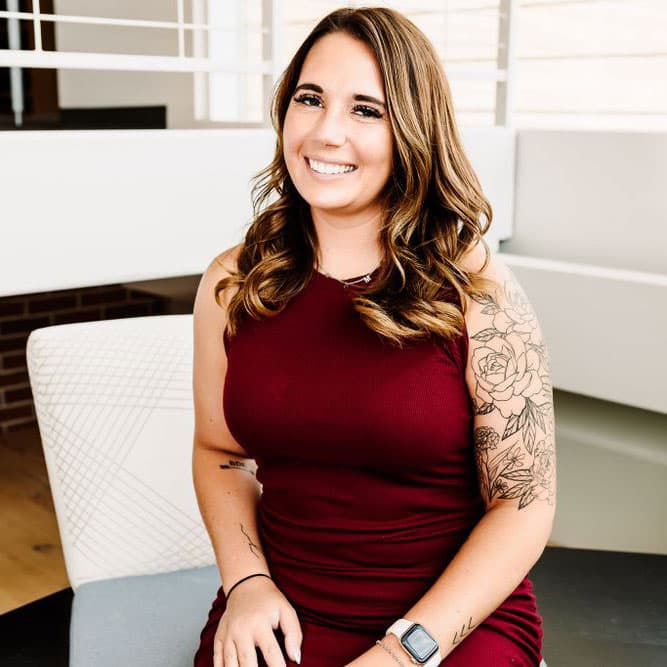
Magi Kapllani founded DEA Music & Art in 2003 with the goal of meeting demand from parents who wanted to give their children a high-quality music and arts education. Based in Staten Island, New York, the brand is so popular among families that Kapllani expanded her business to two additional studios before making the decision to franchise her business in 2019. Now, the brand is preparing to leverage its momentum for widespread franchise growth in 2022.
DEA Music & Art offered virtual learning opportunities for students at the height of the COVID-19 pandemic, and has since pivoted to serve families in-person and online, as well as the continuance of the brand’s microschooling program. In fact, DEA Music & Art saw increases in student enrollment throughout 2021.
How DEA Music & Art’s Simple Concept Sets Franchisees Up For Success
DEA Music & Art is looking to grow alongside franchisees on the East Coast. There are currently three corporate locations open in New York, and Kapllani said she hopes to open franchisee-owned locations in the coming year with the brand’s simple, turnkey business model that allows franchisees to walk in, turn on the lights and start operating their DEA Music & Art location.
There are many advantages to franchisees who choose to partner with DEA Music & Art. Kapllani said it is important to her that franchisees are set up for success, and she plans to do that through open communication with franchisees on top of the brand’s key factors that have led to its success since opening 19 years ago.
There is no music background required for those who wish to become a DEA Music & Art franchisee. Kapllani wants franchise owners who are passionate about providing music and art education for children, whether they have experience in the world of music and performing arts or not.
“Franchisees can always hire the music teachers they need to teach students,” said Kapllani. “We can train anyone, as long as they have a passion to provide a better education to children.”
Kapllani plans to listen to franchisees and give them a voice within the brand, as extra input and support is always welcomed at DEA Music & Art. She also knows that hearing input from those who are immersed in the business and are enriching the community can make a significant impact on the lives of those with whom they work.
How DEA Music & Art Helps Local Communities
Kapllani said that franchisees who partner with DEA Music & Art in 2022 will have a competitive advantage by entering the brand on the ground level. The music and art education program currently has no franchisees, and hopes to bring on candidates passionate about giving children a high-quality music and arts education in a world where many of these programs are being cut in schools.
“While schools are scaling back on certain arts education programs, we’re here as a resource for families who are looking to bring art and music into the family,” said Kapllani. “We are really solidifying our place in the industry. There is a current lack in educational arts opportunities for children, and we are on the cutting edge of that issue.”
Children who have access to arts and education programs benefit significantly from these programs. A Brookings Institution study found that children are positively impacted emotionally, socially and academically when they participate in art education experiences.
Additionally, Kapllani emphasized that DEA Music & Arts is not about providing a cookie cutter education to its students. “We provide an education in a very healthy way, giving children the platform they need to grow and find a passion they’ll pursue in the future,” she said. “We do music the right way, and it’s a very rewarding approach.”
How DEA Music & Art Reaches Students Online and In-Person
Students who are still attending virtual school are able to be dropped off for in-person music and arts classes with DEA Music & Art. Additionally, DEA Music & Art offers online courses for those who want a supplemental arts and music education in addition to a “to-go” department, where classes are offered in after-school programs in daycares, Catholic schools and other community establishments to contribute to the brand’s expansion throughout the New York region and mission to provide as many children as possible with a supplemental arts and music education.
“Micro-schooling makes life easier for working parents,” said Kapllani. “Parents are invited to drop off their kids at our studios, where staff can help students connect to their virtual classrooms and also assist with additional schoolwork. And when there’s time, our teachers can provide fun activities like music instrument lessons, visual arts and rock band practice.”
The curriculum at DEA Music & Art is unique when compared to other music and performing arts programs. DEA Music & Art offers a wide range of programs in music, visual and performing arts, including Pop Idol, Rock Band, Virtuosi, Visual Arts, Chorus, Theatre and individual instrument lessons for Piano, Violin, Guitar, Drums and Vocals. Students can also enjoy summer camp and book themed birthday parties at the studios. While this is what DEA Music & Art offers its students, this isn't’ necessarily what franchisees with the brand are required to offer. Kapllani said that franchisees have the option to choose what is offered in their program’s curriculum, eliminating some classes or adding others.
Investing in DEA Music & Art in a post-COVID world may also prove to be beneficial for those who are working from home while raising children.
“Becoming a DEA Music & Art franchisee can provide parents with a way to stay at home while many businesses request a return to the office,” said Kapllani. “Franchisees can continue spending time at home with their children while building the business with a lower investment cost.”
Franchise opportunities with DEA Music & Art are currently available across the country. Those who are the first to sign on will be able to experience the growth of the brand itself as it expands into new markets.
“Our first few franchisees get to be a part of DEA Music & Art’s overall growth from day one, and they get a front row seat to the evolution of our brand,” said Kapllani. “And because they get to see that growth over time, those franchisees are then the ones who go on to be guides for other local owners down the line. It’s a beautiful process.”
The start-up fees range from $149,433 to $228,133, including the initial franchise fee of $49,000. For more information, visit: https://franchise.deamusicandart.com.