Growing a Franchise
SPONSORED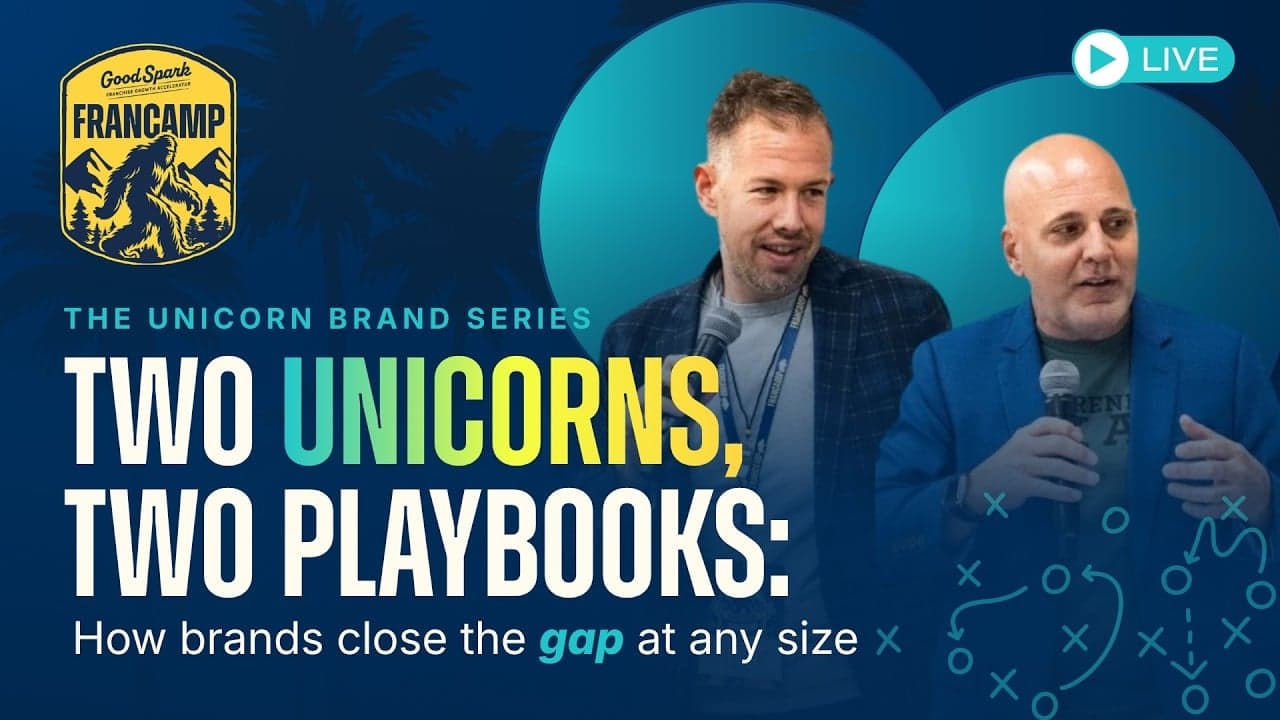
Building a Unicorn Franchise Brand Starts With the Franchisees You Choose
Finding franchisees who believe in the brand, protecting the culture and delivering meaningful support can matter more than simply adding units.
Growing a Franchise
SPONSOREDFinding franchisees who believe in the brand, protecting the culture and delivering meaningful support can matter more than simply adding units.
For an emerging franchise brand, the pressure to sell can be significant. But adding franchisees does not necessarily mean a system is moving closer to becoming what GoodSpark Franchise Growth Accelerator CEO Charles Internicola and Chief Strategy Officer Nick Powills define as a unicorn brand.
A brand can sell franchises without building the culture, franchisee performance or customer affinity needed to sustain that growth. The bigger question is whether the people entering the system can carry forward what made consumers care about the original business in the first place.
“In order to get unicorn status, you have to have a business model that can, in fact, have fans of the brand,” Powills said during a recent webinar.
The industry itself does not determine whether a franchise has unicorn potential. A restaurant may have an easier time creating an emotional connection around its food, but service businesses can build the same kind of affinity.
“There’s got to be affinity for the service,” Powills said. “So let's just say you mow lawns. They have to feel that you mow lawns better than everybody else. In order to get unicorn status, you have to have a business model that can, in fact, have fans of the brand.”
That distinction matters because the consumer experience is where the cycle begins. A strong franchise system needs franchisees who can preserve and replicate the experience that originally created fans of the business.
Finding someone with enough capital to buy the franchise is only one part of franchisee recruitment. Brands also need to understand who is most likely to believe in the concept, become involved in the business and represent it well in the community.
Powills used Magnolia Soap Company as an example of how a franchisee’s connection to the brand can shape the opportunity. Many of the company's earliest franchisees came to the opportunity because they were already attracted to the brand, its products and its mission. Later candidates who entered through a broker network were more likely to be approaching the opportunity primarily as a business investment.
“It doesn't mean the broker network deal is bad,” Powills said. “It just means it's a different level of franchisee. They didn't fall in love with the idea of owning your business. They fell in love with the idea of quitting their job and buying a business.”
That difference also showed up in performance, he said. The earlier franchisees brought more of the “grit and hustle” that came from caring about the business itself.
That makes defining the ideal franchisee an important part of the foundation. Instead of starting with who can afford the franchise, leadership should determine the characteristics that make someone likely to succeed within the system.
Working with franchise brokers does not have to mean giving up control over franchisee quality. The franchisor can set expectations for exactly who should enter the sales process.
Powills pointed to Waterloo Turf, which took that approach by educating brokers about the candidates it wanted. The brand established expectations around factors such as owner involvement and what franchisees would need to do before opening.
“They told the brokers, ‘Here's what they have to fit. They're going to have to work in the business. This is what they're going to do in the business. They're going to have to quit their job before they become a franchisee or before they open up their unit because we need to get them trained and open,’” Powills said.
That specificity can benefit both sides. Rather than brokers presenting the franchise to anyone looking for a business opportunity, they can identify candidates who already fit the profile. For the franchisor, better alignment at the beginning can make it easier to move the right candidates through the process.
Franchisors can become so focused on adding units that they overlook the long-term impact of each franchisee entering the system. Internicola argued that the franchisees a brand chooses not to onboard can be just as important as those it signs.
“Unlocking that unicorn status is also about the franchisees you don't onboard,” he said. “A big takeaway from today's conversation is, if you're an emerging brand, take the moment now. Pause in a genuine way, not from a marketing perspective, but: What is that franchisee persona? That person that your brand can improve their lives, and they can improve the franchise?”
That requires resisting the pressure to accept a candidate simply because that person is financially qualified or ready to sign an agreement. An owner who is not aligned with the culture can affect customer experiences, franchisee validation and the broader system long after the initial franchise fee has been collected.
Support is one of the most common selling points in franchising, but simply promising great support does little to distinguish one opportunity from another. The stronger question is what that support actually enables franchisees to do.
“The truth is, it's all in the support, but it has to be legitimate support,” Powills said. “Most brands articulate it as, ‘We have great support.’ They don't break it down.”
Franchisors should be able to clearly explain how their systems help owners move from signing an agreement to opening successfully and eventually scaling the business, creating a much more tangible definition of support than simply telling prospects the corporate team will be there for them.
Every business can claim to provide better service or stronger support than its competitors. The evidence should come from what customers and franchisees actually experience.
Customer reviews can provide one indication of whether franchisees are consistently delivering the experience the brand promises. Franchisee satisfaction, performance and the ability of owners to scale can provide others.
“Can you maintain the fan of the franchise with the consumer? Can you translate that over to the franchisee?” Powills said.
When that happens, the relationship can become a cycle: customers become fans of the business, franchisees believe in the brand they own and those franchisees work to create the same experience for the next customer.
A franchise system does not have to follow these principles to sell agreements. Brands can grow their unit count by finding financially qualified candidates and moving them through a sales process. But becoming a unicorn requires something more.
“What we're defining as a unicorn brand is something that can grow, that can set expectations, that the franchisees scale, franchisee satisfaction is high,” Powills said.
That means taking the time to understand what makes the consumer care about the business, identifying the people best equipped to carry that forward and resisting pressure to sacrifice those standards for faster franchise sales.
The work does not necessarily require a massive franchise development budget. It can begin by talking to existing customers and franchisees, studying what separates strong operators from struggling ones and becoming much more intentional about who gets invited into the system.
“The fan of the brand, both as franchisees or fans of your brand when they buy, and the consumer before they buy, will give you tremendous insights into whether you have the potential to be a unicorn,” Powills said.
Watch the webinar above or on YouTube.
For more information on GoodSpark and its services for developing franchises, visit https://www.goodsparkfranchise.com/.
Sign up for the 1851 Franchise newsletter to get our biggest stories before everyone else
By signing up, you agree to our user agreement (including class action waiver and arbitration provisions), and acknowledge our privacy policy.