Growing a Franchise
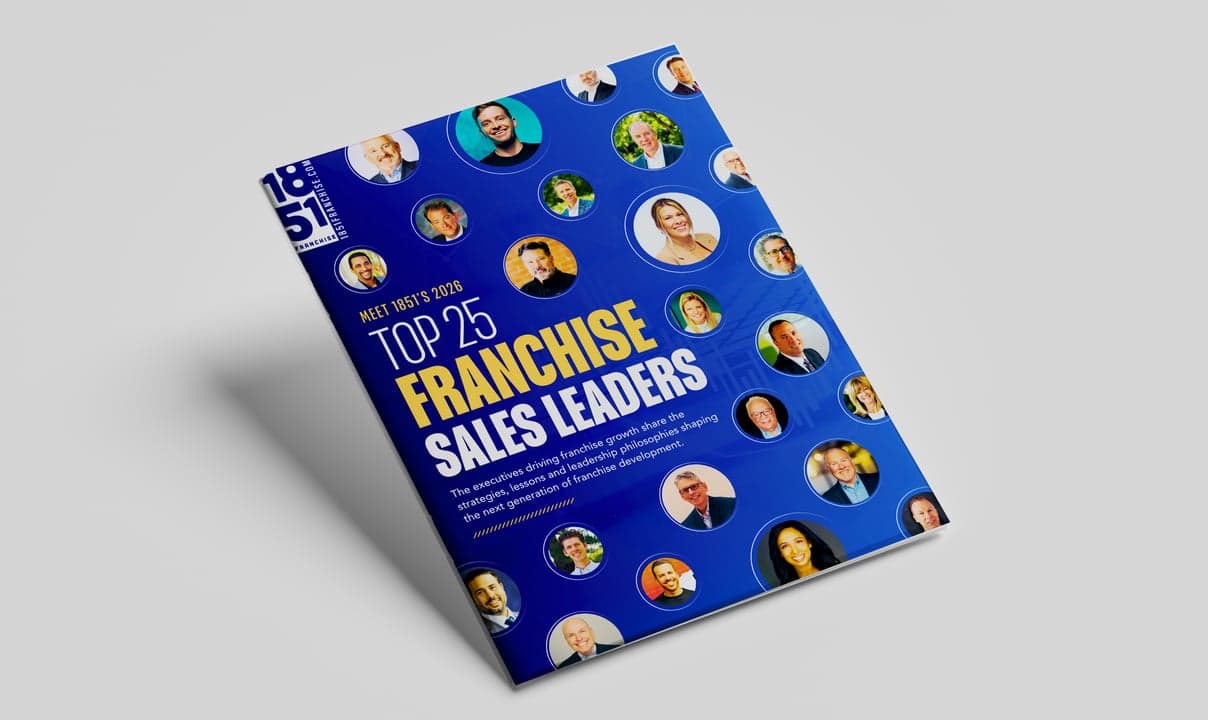
The Top 25 Franchise Sales Leaders to Know in 2026
From AI-powered research to radical transparency and a renewed focus on unit economics, these 25 leaders are redefining what responsible franchise development looks like.
Growing a Franchise
From AI-powered research to radical transparency and a renewed focus on unit economics, these 25 leaders are redefining what responsible franchise development looks like.
Franchise sales has changed.
The prospective franchisee entering the pipeline in 2026 is often more informed, more analytical and more prepared than the candidate of even five years ago. Buyers are researching brands before they ever submit a lead form, reading Franchise Disclosure Documents, comparing financial performance, watching franchisee testimonials and increasingly turning to AI to help narrow down their options. Across this year’s Top 25 Franchise Sales Leaders interviews, executives repeatedly described candidates arriving at their first conversation having already completed a significant portion of their research.
That shift has changed the job of the franchise sales leader, too.
The best development executives are no longer simply gatekeepers of information, walking candidates through a predetermined sales funnel. Increasingly, they are guides, educators and matchmakers tasked with determining whether an opportunity makes sense for both sides.
That is the common thread connecting the 25 leaders featured in 1851 Franchise’s Top Franchise Sales Leaders of 2026 issue.
They come from food service, home services, senior care, education, staffing, wellness and multi-brand franchise platforms. Some have spent more than 30 years in franchising. Others came to development after careers in finance, operations, technology, entrepreneurship or franchise ownership. But across those different backgrounds, several themes emerged about where franchise development is heading next.
Perhaps the clearest change is the disappearance of the information advantage once held by the franchisor.
Franchise candidates can now access enormous amounts of information before speaking with a development representative. They are researching competitors, finding FDDs online, studying leadership teams and using AI platforms to compare franchise opportunities.
Mark Jameson, chief development officer for Propelled Brands, said candidates are arriving with more sophisticated questions as AI compresses the research process. Kevin Brickner, vice president of franchise sales for Goddard Systems, said his team is developing content around the questions prospects are asking online so reliable brand information can appear in AI-driven search results.
The result is a franchise discovery process that increasingly begins long before a candidate ever speaks with a salesperson.
For development teams, that means the old strategy of withholding the most valuable information until later in the funnel is becoming less effective. Instead, the leaders in this issue are focused on making credible information easier to find, answering difficult questions earlier and meeting candidates at the point they have already reached in their own research.
More information has also made it harder for franchisors to hide behind a polished pitch.
Candidates can compare what a development representative tells them with FDD data, online reviews, franchisee validation and information from competing brands. That makes consistency and transparency increasingly important.
Colette Bell, vice president of franchise development for Ace Handyman Services, put it simply: “Trust starts with transparency.” Her approach centers on giving candidates a realistic view of both the benefits and challenges of ownership and treating development as education rather than persuasion.
That philosophy appears throughout this year’s list.
The strongest leaders are comfortable acknowledging that no franchise system is perfect. They recognize that candidates are making major financial and professional decisions, often investing savings and changing careers in the process. The objective is not to eliminate every objection. It is to give prospects enough accurate information to decide whether the opportunity truly fits.
In 2026, transparency is not simply the ethical approach to franchise development. It is increasingly the more effective sales strategy.
One of the most consistent messages from this year’s Top 25 was also one of the simplest: Know when to say no.
For decades, franchise growth has often been celebrated through unit counts, territories awarded and development agreements signed. But the leaders featured here repeatedly pushed back against the idea that more sales automatically mean better growth.
Blas Escarcega, chief development officer for Bonchon, described his philosophy as “quality versus quantity,” arguing that the goal should not be recruiting a particular type of franchisee simply because they fit a demographic or portfolio profile. The goal is finding the right franchisee.
That same thinking appears across brands at very different stages of development.
Mike Oberholtzer, vice president of franchise development for HomeVestors of America, warns emerging franchisors not to rush growth simply to satisfy short-term sales goals. Scott Sutton, chief development officer of Empower Brands, argues that every wave of franchise sales needs to be accompanied by investments in training, operations, marketing and other support functions. Matt Kelton, vice president of franchise development for Children’s Lighthouse, says emerging brands should build their infrastructure before chasing volume.
The message is clear: A signed franchise agreement is not the finish line.
Technology may be transforming how candidates discover brands, but the fundamentals of a compelling franchise opportunity have not changed. Existing franchisees need to be successful.
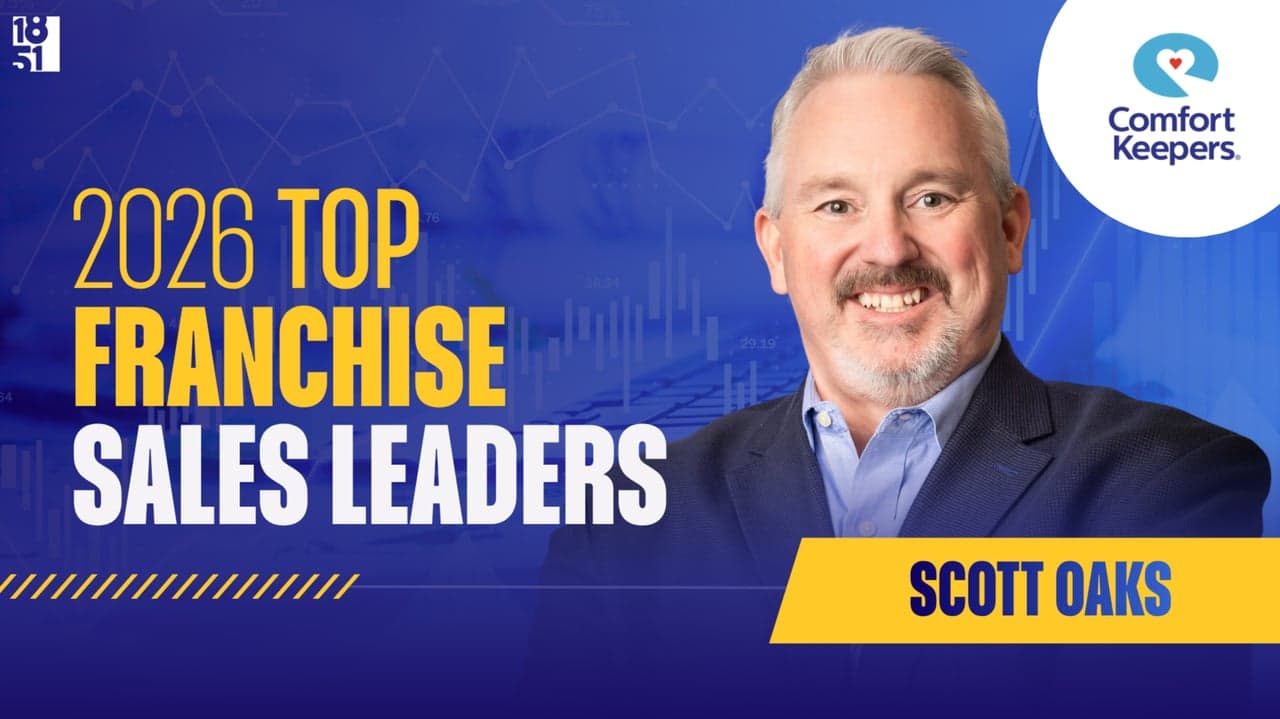
Scott Oaks, vice president of franchise development for Comfort Keepers, said candidates are smart enough to distinguish unit growth from healthy unit economics. They want to see whether existing owners are performing well and whether the franchisor has the infrastructure to help them succeed.
Franchise sales, operations and franchisee support cannot operate as separate functions. What development promises must ultimately be delivered by the rest of the organization. When franchisees perform well, reinvest, expand and validate positively, development becomes easier. When they do not, no amount of lead generation can permanently cover the cracks.
As Brent Dowling, founder and CEO of Spire Franchise Capital and Better Days Franchise Co., explained, “The unit-level economics have to be there.” But he also argues that economics are only the starting point. The strongest franchise systems pair financial performance with leadership teams that treat franchisees as customers and remain relentlessly focused on their success.
AI will continue changing franchise development. So will new CRMs, analytics platforms, lead-generation strategies and candidate research tools. But the leaders in this issue overwhelmingly return to something much less technological: relationships.
Behind every lead is a person deciding whether to invest their capital, change careers and commit years of their life to a business. The strongest franchise sales leaders understand the weight of that decision.
That is why listening, empathy and mutual fit appear so frequently throughout these profiles. Nesa Opp, vice president of franchise development for The Glass Guru, describes herself not as a salesperson but as a guide helping entrepreneurs determine whether an opportunity matches their goals. Shawn Caric, vice president of franchise development for Smoothie King, says some of the proudest accomplishments of his career are the relationships he has built with the families he recruited into franchise systems.
The tools are changing. The candidate is changing. The discovery process is changing.
But great franchise development still comes down to putting the right person with the right opportunity and building a system capable of supporting them after the agreement is signed.
With that in mind, meet 1851 Franchise’s Top 25 Franchise Sales Leaders of 2026.
Throughout this issue, 1851 Franchise will explore the careers, strategies and lessons behind each leader, from how they are responding to a more sophisticated franchise buyer to the principles they believe emerging brands need to get right before pursuing aggressive expansion.
Sign up for the 1851 Franchise newsletter to get our biggest stories before everyone else
By signing up, you agree to our user agreement (including class action waiver and arbitration provisions), and acknowledge our privacy policy.