
Layne's Chicken Fingers
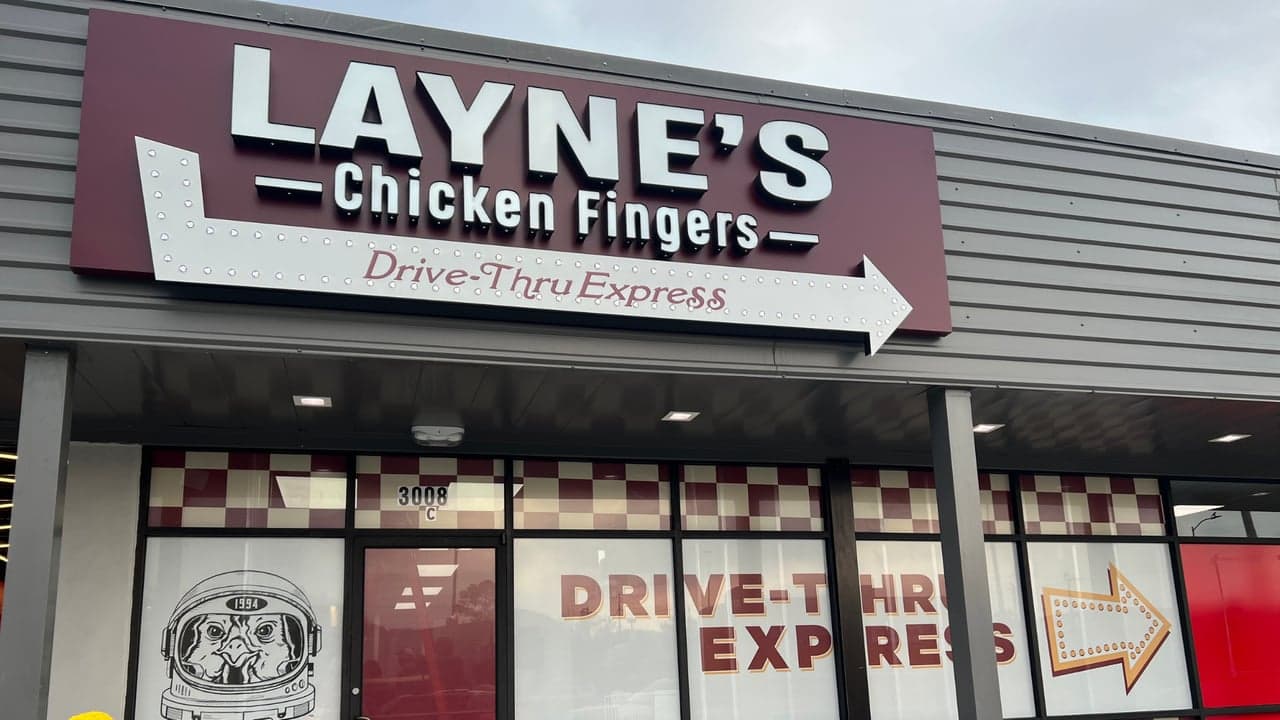
How To Read Layne’s Franchise Disclosure Document (FDD)
Everything you need to know about a franchise opportunity is located in the FDD. Here is a step-by-step guide to understanding Layne’s FDD for prospective franchisees.
Layne’s Soon to be Famous™ Chicken Fingers has gained a cult-like following thanks to its incredible chicken fingers, secret sauce and warm hospitality. For aspiring franchisees, it’s important to understand what goes on behind the franchise’s success. Those considering joining the Layne’s family will especially want to know the initial investment required and the potential earnings they can expect.
The Franchise Disclosure Document (FDD) is a vital resource in understanding any franchise. Comprising 23 items, the FDD serves as a guide to assess how well a franchise aligns with your business objectives. Let’s walk through Layne’s 2024 FDD to learn more about the brand.
Item 1: The Franchisor, Its Predecessors, and Affiliates - This section offers a snapshot of Layne’s business, its history and its place in the industry.
Item 2: Business Experience - This item sheds light on the expertise of Layne’s leadership team, which can be a crucial factor for franchisee success given the necessary ongoing relationship between franchisee and franchisor.
Item 3: Litigation - This section discloses any litigation history.
Item 4: Bankruptcy - This section reveals any past bankruptcies involving the franchisor or its management. Such a history may suggest financial instability.
Item 5: Initial Fees - Prospective franchisees can gauge the initial investment required to join Layne’s, including the franchise fee, which is paid directly to the franchisor.
Item 6: Other Fees - This section elaborates on ongoing fees, providing clarity on financial obligations.
Item 7: Initial Investment - This section lays out a detailed estimate of startup costs, offering transparency on where investment funds will be allocated.
Item 8: Restrictions on Sources of Products and Services - In this section, the brand specifies approved suppliers, which influence franchisee costs.
Item 9: Franchise Owner's Obligations - This item outlines the responsibilities expected from franchisees.
Item 10: Financing - This item describes available financing options, which should be a consideration in startup planning.
Item 11: Franchisor's Assistance, Advertising, Computer Systems and Training - This item describes the training and support offered by the franchisor, as well as advertising expectations.
Item 12: Territory - This item provides a comprehensive overview of the territory rights extended to franchise owners. Prospective franchisees must ensure that these regulations align with the location they are targeting.
Item 13: Trademarks - This item provides information on the franchisor's trademarks, including guidance on when and how to use them.
Item 14: Patents, Copyrights, and Proprietary Information - This is where the brand will disclose any patents, copyrights or proprietary information owned by the franchisor.
Item 15: Obligation to Participate in the Actual Operation of the Franchise Business -
This section outlines the obligations of franchise owners concerning their involvement in business operations. Candidates should verify that these requirements align with their desired objectives and work-life balance.
Item 16: Restrictions on What the Franchise Owner May Sell - This item describes any limitations on product or service offerings.
Item 17: Renewal, Termination, Transfer, and Dispute Resolution - The terms for franchise agreement renewal and termination are clarified.
Item 18: Public Figures - This item indicates any public figures who are employed to promote the brand.
Item 19: Financial Performance Representations - Prospective earnings can be estimated based on the financial performance of existing locations, which are disclosed in item 19.
Item 20: Outlets and Franchise Owner Information - This item discloses the number of operating outlets, providing insights into recent developments.
Item 21: Financial Statements - Franchisor financial statements are included for assessment.
Item 22: Contracts - All required contracts are provided for review with legal counsel and need to be signed by the franchise owner.
Item 23: Receipt - This section acknowledges receipt of the FDD, granting candidates time for thorough review before committing.
The FDD offers a wealth of information on the operations of a franchise brand. It’s essential for prospective franchisees to study it diligently and seek legal guidance if necessary. With a comprehensive understanding, aspiring franchisees can confidently make informed decisions about joining the Layne’s franchise family.
To find out more information on costs to buy this franchise, please visit https://1851franchise.com/layneschickenfingers.
Layne's Chicken Fingers
Everything you need to know about a franchise opportunity is located in the FDD. Here is a step-by-step guide to understanding Layne’s FDD for prospective franchisees.
Layne’s Soon to be Famous™ Chicken Fingers has gained a cult-like following thanks to its incredible chicken fingers, secret sauce and warm hospitality. For aspiring franchisees, it’s important to understand what goes on behind the franchise’s success. Those considering joining the Layne’s family will especially want to know the initial investment required and the potential earnings they can expect.
The Franchise Disclosure Document (FDD) is a vital resource in understanding any franchise. Comprising 23 items, the FDD serves as a guide to assess how well a franchise aligns with your business objectives. Let’s walk through Layne’s 2024 FDD to learn more about the brand.
Item 1: The Franchisor, Its Predecessors, and Affiliates - This section offers a snapshot of Layne’s business, its history and its place in the industry.
Item 2: Business Experience - This item sheds light on the expertise of Layne’s leadership team, which can be a crucial factor for franchisee success given the necessary ongoing relationship between franchisee and franchisor.
Item 3: Litigation - This section discloses any litigation history.
Item 4: Bankruptcy - This section reveals any past bankruptcies involving the franchisor or its management. Such a history may suggest financial instability.
Item 5: Initial Fees - Prospective franchisees can gauge the initial investment required to join Layne’s, including the franchise fee, which is paid directly to the franchisor.
Item 6: Other Fees - This section elaborates on ongoing fees, providing clarity on financial obligations.
Item 7: Initial Investment - This section lays out a detailed estimate of startup costs, offering transparency on where investment funds will be allocated.
Item 8: Restrictions on Sources of Products and Services - In this section, the brand specifies approved suppliers, which influence franchisee costs.
Item 9: Franchise Owner's Obligations - This item outlines the responsibilities expected from franchisees.
Item 10: Financing - This item describes available financing options, which should be a consideration in startup planning.
Item 11: Franchisor's Assistance, Advertising, Computer Systems and Training - This item describes the training and support offered by the franchisor, as well as advertising expectations.
Item 12: Territory - This item provides a comprehensive overview of the territory rights extended to franchise owners. Prospective franchisees must ensure that these regulations align with the location they are targeting.
Item 13: Trademarks - This item provides information on the franchisor's trademarks, including guidance on when and how to use them.
Item 14: Patents, Copyrights, and Proprietary Information - This is where the brand will disclose any patents, copyrights or proprietary information owned by the franchisor.
Item 15: Obligation to Participate in the Actual Operation of the Franchise Business -
This section outlines the obligations of franchise owners concerning their involvement in business operations. Candidates should verify that these requirements align with their desired objectives and work-life balance.
Item 16: Restrictions on What the Franchise Owner May Sell - This item describes any limitations on product or service offerings.
Item 17: Renewal, Termination, Transfer, and Dispute Resolution - The terms for franchise agreement renewal and termination are clarified.
Item 18: Public Figures - This item indicates any public figures who are employed to promote the brand.
Item 19: Financial Performance Representations - Prospective earnings can be estimated based on the financial performance of existing locations, which are disclosed in item 19.
Item 20: Outlets and Franchise Owner Information - This item discloses the number of operating outlets, providing insights into recent developments.
Item 21: Financial Statements - Franchisor financial statements are included for assessment.
Item 22: Contracts - All required contracts are provided for review with legal counsel and need to be signed by the franchise owner.
Item 23: Receipt - This section acknowledges receipt of the FDD, granting candidates time for thorough review before committing.
The FDD offers a wealth of information on the operations of a franchise brand. It’s essential for prospective franchisees to study it diligently and seek legal guidance if necessary. With a comprehensive understanding, aspiring franchisees can confidently make informed decisions about joining the Layne’s franchise family.
To find out more information on costs to buy this franchise, please visit https://1851franchise.com/layneschickenfingers.
Sign up for the 1851 Franchise newsletter to get our biggest stories before everyone else
By signing up, you agree to our user agreement (including class action waiver and arbitration provisions), and acknowledge our privacy policy.

No related articles found