Buy a Franchise
How Much Does It Cost to Open a Pilates Franchise in 2026?
Startup costs vary by Pilates franchise, with studio construction, equipment and ongoing fees making up much of the investment.
Buy a Franchise
Startup costs vary by Pilates franchise, with studio construction, equipment and ongoing fees making up much of the investment.
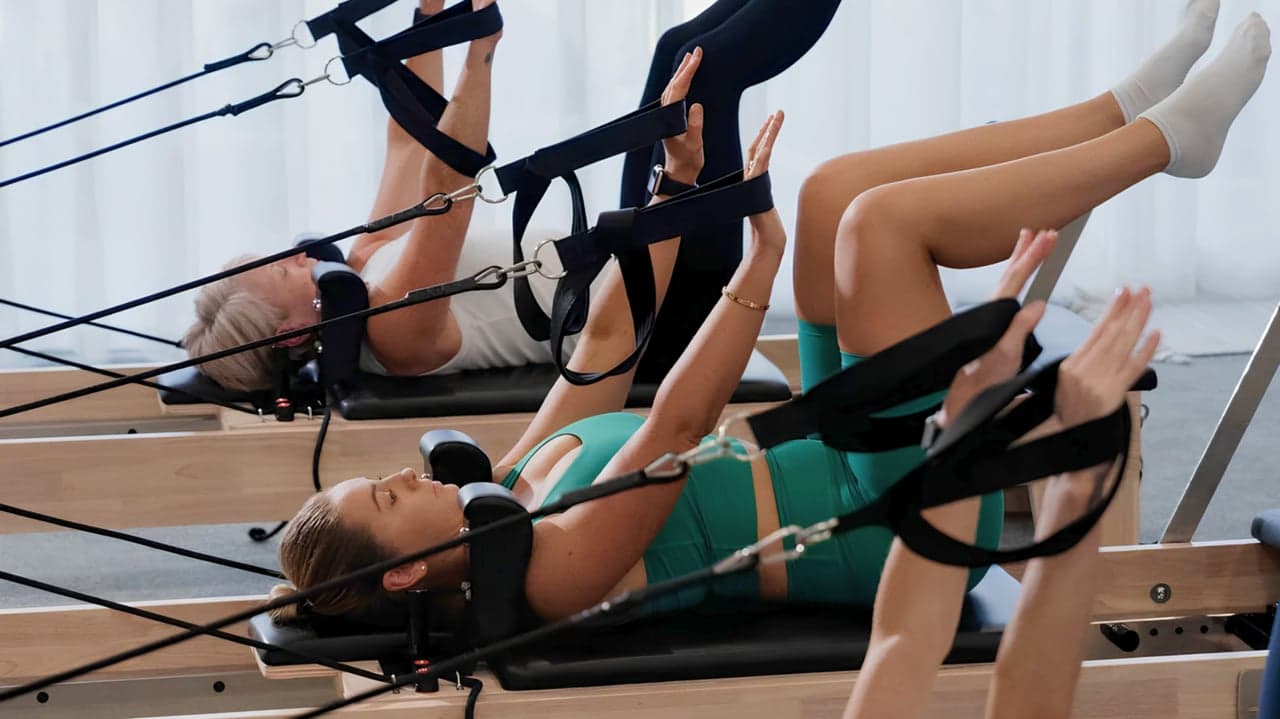
Opening a Pilates franchise in 2026 can cost several hundred thousand dollars, depending on the brand, studio size and location. Most concepts offer group classes using reformer equipment, but their startup costs can be quite different. Prospective owners need to look beyond the initial franchise fee to understand how much money they'll need to open a studio.
Club Pilates, JETSET Pilates, BODYBAR Pilates and inLIFE Wellness all offer franchise opportunities in the category. Each has different requirements for real estate, equipment and staffing, which can affect how much an owner spends before opening.
Pilates franchise fees typically range from $45,000 to $60,000, depending on the brand. Owners pay this fee when they sign the franchise agreement, giving them the right to use the brand's name and access its training and support programs.
Finding a location and getting it ready for business can be much more expensive. Leasehold improvements may cost $100,000 to $350,000 or more, depending on the condition of the space. Owners may need to install flooring, mirrors and lighting or make changes to the heating and cooling systems. A location that previously housed a fitness business could require less work than an unfinished retail space.
Equipment is another major expense. Commercial reformers can cost several thousand dollars each, and studios need enough machines to accommodate group classes. Depending on the franchise, equipment purchases may also include Pilates chairs, springboards and smaller accessories.
There are other expenses before the first class begins. Exterior signage, booking software, marketing campaigns and lease deposits all add to the startup costs. Owners also need money available to cover payroll, rent and other bills while they build their membership base.
The amount needed to open a studio depends on the franchise system and the requirements outlined in its Franchise Disclosure Document (FDD).
Here are the estimated initial investments for several Pilates franchises in 2026:
| Franchise | Estimated Initial Investment |
| inLIFE Wellness | $238,280–$452,670 |
| Club Pilates | $413,289–$1,029,811 |
| JETSET Pilates | $543,440–$752,375 |
| BODYBAR Pilates | $431,425–$756,035 |
inLIFE Wellness has a lower published starting investment than the other franchises listed. The company uses studios of approximately 1,800 square feet and targets suburban retail locations, where rent may be lower than in major cities.
Its smaller studio footprint can help reduce construction and occupancy expenses. Still, the actual investment will depend on the lease, the amount of construction needed and the local market.
Club Pilates has a higher maximum investment estimate, while JETSET Pilates requires a larger minimum investment than the other brands listed. BODYBAR Pilates falls between the two, with costs that depend on studio size and location.
These figures are estimates, and the final cost could be higher. Prospective owners should review Item 7 of each brand's current FDD to see what expenses are included.
Once a Pilates studio opens, owners must continue paying royalties, advertising contributions and other fees required by the franchisor.
Many Pilates franchises charge royalties based on a percentage of monthly gross revenue. Club Pilates charges an 8% royalty, while JETSET Pilates lists a 7.5% royalty in its 2026 franchise information.
inLIFE Wellness uses a flat royalty fee of $2,900 rather than charging franchisees a percentage of their sales. Under a percentage-based royalty, the amount an owner pays increases as sales grow. A flat fee stays the same during the applicable period, regardless of how much revenue the studio generates. Owners still need to account for advertising contributions, technology expenses and other required payments when comparing franchise costs.
Franchisors want to see that applicants have enough money available to open the business and pay expenses during the first several months.
Financial requirements differ by brand. inLIFE Wellness lists minimum qualifications of $100,000 in liquid capital and $250,000 in net worth, according to company-provided information. JETSET Pilates requires $200,000 in liquid capital and $500,000 in net worth.
These amounts are separate from the total initial investment. Meeting the minimum financial qualifications doesn't mean an applicant has enough cash to open a studio without financing. Some owners use equipment financing or business loans to cover startup expenses. Those loans create monthly payments that need to be included in the business budget.
A lower initial investment doesn't always mean a franchise will cost less to operate. A studio with lower construction costs could still have high monthly expenses, while a more expensive location might attract more customers.
Anyone considering a Pilates franchise should look closely at what each brand requires, including the size of the studio, equipment purchases and staffing. Reading the Franchise Disclosure Document and talking with current franchisees can also give potential owners a better idea of what to expect.
The cost of opening a Pilates studio can vary widely, and the expenses don't stop once the doors open. Rent, payroll and franchise fees will continue each month, making it important to know what the business will cost to run before signing an agreement.
For more on Pilates and other wellness franchises, check out the following articles on 1851 Franchise:
Sign up for the 1851 Franchise newsletter to get our biggest stories before everyone else
By signing up, you agree to our user agreement (including class action waiver and arbitration provisions), and acknowledge our privacy policy.