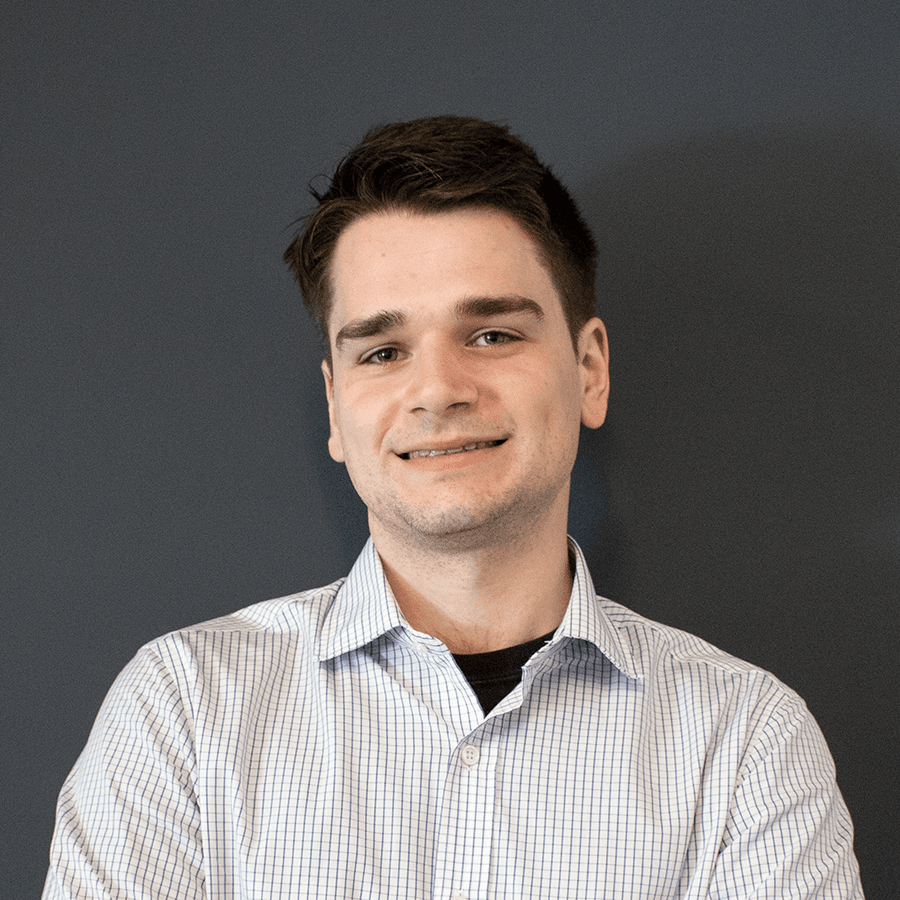
In a recent episode of “Meet the Zee” hosted by 1851 Franchise publisher Nick Powills, Right at Home franchisee Ken Helmuth shared his powerful story of transition, growth, and purpose. Helmuth, a former pharmaceutical and medical device sales leader, now operates multiple Right at Home territories in Charlotte and Raleigh-Durham. But his journey into franchising didn’t start with a plan — it started with a layoff.
"Losing my job was the best thing that ever happened to me," Helmuth told Powills. After building a successful career, he found himself unexpectedly unemployed in 2013. That moment, though jarring, opened the door to something more fulfilling: business ownership.
"I wasn’t looking to start a business," he said. "But after clicking a link about franchising, I received a hundred emails. I answered two — and one of them led me to Right at Home."
Helmuth was drawn to Right at Home not just because of the brand’s mission, but because his first opportunity was a resale — a location already in operation. That gave him the foundation to take a leap of faith. “I knew health care. I knew people. I didn’t know senior care. But the system was strong, and I had the chance to build something.”
Personal Purpose Meets Business Performance
Despite not having a deeply personal caregiving story, Helmuth quickly fell in love with the work. “We send strangers into people’s homes to do very personal things — helping them age in place with dignity,” he said. "It's the most personal business you can be in."
Helmuth’s story highlights how the strength of the Right at Home model allowed him to translate his leadership and people skills into a thriving enterprise. Now, with over a decade of experience, he’s proud to have built a business that prioritizes both client care and caregiver satisfaction.
"We’ve created a culture where our caregivers love coming to work," Helmuth said. With caregiver retention often cited as a top challenge in the industry, his results speak volumes: over half of his caregivers have been with him for more than a year. That’s due in part to a committed office staff, many of whom have been with the company for 6-10 years.
Building for the Future
Helmuth isn’t slowing down. With an eye toward the future, he’s implemented the Entrepreneurial Operating System (EOS) to drive strategic growth. His goal? Expand his Charlotte territory to match the scale of Raleigh-Durham and continue transitioning from working in the business to working on it.
He advises prospective franchisees to do their research and trust the system. “Not all franchises are created equal. Right at Home treated me like family from day one, and the support they provide — especially in the early stages — is unmatched.”
When asked about his north star, Helmuth summed it up simply: "I want to keep building a business that makes a real difference. One that helps people live better lives. And I want to give my team the tools and space to thrive."
To those on the fence about taking the leap into franchising, Helmuth says: “There’s no silver bullet. But if you trust your gut and surround yourself with the right people, you’ll figure it out. I never wanted to feel the way I felt when I lost my job again — and now, I never will.”
A transcript of Helmuth’s interview with Powills appears below. It has been edited for brevity, clarity, and style.
Nick Powills: All right, Ken, like what I normally do, I do a little bit of homework and understand what story I’m looking at. Usually, my first question is — and it still will be — how did you accidentally fall into franchising?
But when I looked at your backdrop, you built up such a successful career in pharmaceuticals and medical sales, and I’m fascinated by what triggered you to go into business for yourself — like what pushed you over the edge. As part of the question — how did you accidentally fall into franchising?
Ken Helmuth: No, it’s a good question. What’s interesting is I don’t think I ever thought I would be a business owner. I never really looked to do that. Like you said, I had pretty good success in pharmaceutical sales and sales management, and then switched over to medical device sales and sales management in, I think, 2007 or so — maybe 2005. I did that for a number of years, and I had never had a life-changing event in corporate America until 2013.
I still say to this day that losing my job was probably the best thing that’s ever happened to me. I mean, I had never lost before — because I had chosen, right? Most of us choose when we move from company to company. I lost my job in September or October of 2013, and that’s what opened the door.
I had started snooping around, looking for a side hustle — something I could do while working my day-to-day job. That’s when I looked at some franchises. Really, there were only a couple I had ever even looked at. One was Sport Clips — the haircuts — and another was a vending company that had a franchise. That was it. Most of those were manager-led versus owner-operated.
In 2013, after losing my job, I started looking for new roles. I had a position I had been working toward for a couple of months while also looking at Right at Home. The only reason Right at Home found me was because I clicked on a link in October 2013. It said, “Would you like to be your own boss?” and “What would you do if you could?” Senior care was one of the options — along with business coaching and a couple of others.
I clicked on some things, got about a hundred emails, and responded to two. One was another home care agency franchise, and then this guy named Alex Cunningham, who is a broker, reached out and said, “Just give me 15 minutes.” I remember being on the golf course, reading his email, and responding from my phone, saying, “Why would I meet with you?” He said, “Just give me 15 minutes, and I’ll tell you about an opportunity that I think might fit your profile really well.” He had looked at my background online and seen my experience in medical sales, pharmaceutical sales, and leadership.
I gave him 15 minutes that Friday — and the rest is history. As I went through onboarding, working with him and the Right at Home franchise team, they did a phenomenal job getting me up to speed.
The thing that really sold me — versus taking the job I was offered literally the day after I got approved for the Right at Home franchise — was that it was an existing franchise. It wasn’t a large operation, but I wasn’t starting from scratch. That gave me a little comfort to take that leap of faith into something I honestly had no idea about. I knew health care, and I knew people.
I was blessed to have the opportunity to take that jump, and my wife supported me. She’s worked in the medical device field for her whole career and still does. Financially, we were able to make it work, and I took the leap.
Powills: Awesome opening answer. I have a bunch of follow-ups.
Mentally, I think about the wave of emotions you go through. Losing a job is emotional. You said you typically made the decision when you made a change, but this time, the company made it. Did part of your emotion feel like, "I’ve got to push pause and reset"? And if you didn’t have that moment, do you think you ever would have gone into business for yourself?
Helmuth: I don’t think I would have. I think it gave me the opportunity to re-evaluate and be open to something different. I remember standing on the porch, talking to the COO of a smaller laboratory device company, and turning down the position — literally the Tuesday after Discovery Day. I turned it down and said, “I’m going to go into business for myself.”
It was an epic moment in my life. I think the emotion was driven by wanting to be in more control — not to sound like a control freak — but to be my own boss, to do something on my own, to build something. Right at Home was a really awesome fit — especially a resale that I could take on and make better.
Powills: Were you nervous?
Helmuth: Yeah, probably. But when you jump into it — especially with something already on the treadmill at seven miles an hour or whatever — you just go. I immersed myself in it. I didn’t have time to be nervous.
I think I had 20 to 25 caregivers, one full-time person in the office, and one part-time person — and me. There wasn’t time to be nervous. There’s a lot you don’t know, but that freedom of not knowing everything kept me from being too nervous.
Powills: There are parallels between your career in medical sales and the senior care category. Did you have any personal experience with aging parents that gave you perspective? Or were you leaning on your background in sales and health care?
Helmuth: I didn’t have any major personal experience. A lot of people have stories about how they ended up here. Mine was more fortuitous.
Knowing about the aging population and being in health care — yes. In my last corporate job, we dealt with cardiovascular disease, so there was exposure to an older demographic. I was exposed to that, but I wasn’t an expert in home care or senior care.
My mother had back surgery around that time, so I helped her a little, but nothing major. I got to see it up close and personal very quickly. In a small agency, the work is so deeply personal. We send strangers into people’s homes to do very personal things — help them age in place — and I love that.
It’s very different than selling a medical product to a health system where you never meet the end user. Here, you see and feel the impact immediately. The feedback is amazing.
Powills: You’ve been in this for 11 years. If I think back to 2014, even then, the demand was high. Now it’s even higher. But the competition is heavy too. How has your perspective changed from when you started to now?
Helmuth: There’s tons of competition. But there are so many people who need help and want to age at home — wherever "home" is.
In Raleigh-Durham alone, there are almost 400 licensed home care agencies. But I always say, the murkier the landscape, the easier it is to stand out. If you’re 5% better or different, it’s not hard to differentiate.
And that’s not just for clients — it’s for caregivers, office staff, everybody. Great caregivers can work anywhere they want. That’s why building a great culture is so important. Benefits matter, but people have to love what they’re doing and who they’re doing it with. We’ve really worked on that.
Powills: You clearly knew how to build and lead a team from your prior career. How much of your success comes down to building a strong team and culture?
Helmuth: I think it plays a huge role. Building a good culture starts with getting the right people in the office.
We have great tenure. Our staffing and scheduling person in Raleigh has been with us for over 10 years. My Director of Finance — eight and a half years. My VP — around eight years. Director of HR — six years. It starts there, and then that culture infuses down to the caregivers.
We have over half of our caregivers who have been with us for more than a year — and when you're talking hundreds of caregivers, that's huge.
The last piece is being able to manage and sell. As a new franchisee, no one will sell your company better than you. Even if you're terrible at sales, if you’re genuine and out there in the community, that moves the needle. Those three things — team, culture, and sales — have really contributed to our success.
Powills: Do you still tap into that chip on your shoulder — the one created when you lost your job?
Helmuth: Maybe sometimes. I actually reconnected with my former employer recently, and that helped me let go of some of that. But it’s definitely fuel. I never wanted to feel like that again.
Even back to high school — someone once told me, “College isn’t for everybody.” That comment fueled me. Losing my job at 45 and having what felt like a midlife crisis fueled me, too.
Powills: I love that. It’s amazing how moments like that become fuel. What’s your north star now?
Helmuth: We adopted EOS two years ago, and it’s helped us set strong goals — one year, three years, five years out.
We’re in two of the best markets — greater Charlotte and Raleigh-Durham-Chapel Hill. The goal is organic growth — helping more people and growing our market share.
Personally, I want to work more on the business than in it. We’ve built a great leadership team. Supporting them so they can run the company is my number one goal now.
Nick Powills: I love your story. Final advice for someone standing at the edge but afraid to take the leap?
Helmuth: Understand it’s a journey. There’s no shortcut. Do your research — not all franchises are created equal. Find a brand with good people. Right at Home treated me like family from the beginning.
Trust yourself. Trust your gut. Trust the people you’re joining. And know that you’ll have far more control over your life and career than you would otherwise.
Powills: Ken, what a wonderful story. Thanks for sharing it. I’m grateful I got to spend some time with you.
Helmuth: I appreciate being a part of it, Nick. Thanks for having me.
Watch the full webinar, here.