Every major franchise brand reaches a point where competitors begin to imitate what made it successful. But in franchising, imitation really is the sincerest form of flattery and is often the clearest signal that a concept has created something truly differentiated.

For Sport Clips Haircuts, that moment came years ago. When Founder and Chairman Gordon Logan launched the brand in 1993, the haircut industry largely revolved around salons designed to serve everyone. Logan saw an opportunity others had overlooked: create a haircut experience specifically for men and boys, who represented a massive but underserved customer segment.

That simple idea helped create what many now call the "mighty middle" of the beauty industry, a space between traditional barbershops and full-service salons that Sport Clips effectively pioneered. More than three decades later, countless concepts have attempted to recreate that formula, but Sport Clips remains the category leader with nearly 1,800 locations across North America.

"When Gordon Logan started this business, he really disrupted the category," said Vice President of Franchise Development Brent Greenwood. "He saw a hole in the market and found that targeting men and boys is what makes Sport Clips so successful. That recurring revenue and that repeatable revenue where customers are coming back every three to four weeks is pretty unique to us. It didn't take long for some copycat concepts to make an effort to achieve the level of success that we have."

Creating a Category Instead of Joining One

Many franchise brands compete by offering a slightly better version of an existing business model. Sport Clips took a different approach by creating a category that barely existed.

Instead of trying to appeal to every customer walking through the door, the company focused on understanding what male clients wanted from a haircut experience.

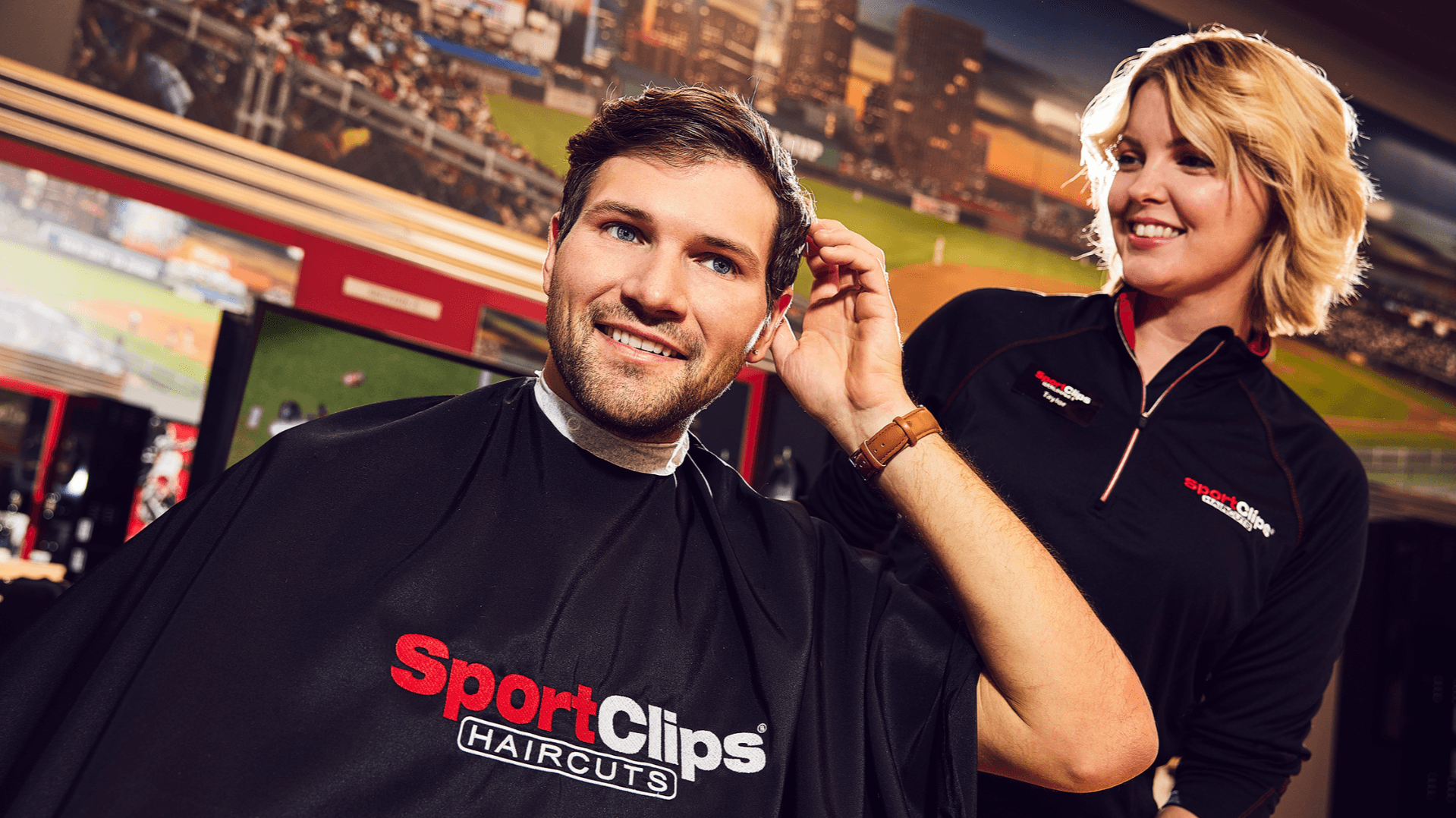
That meant sports on the televisions, an environment designed around men's preferences and a streamlined service model built around convenience, consistency and comfort. The concept transformed what had often been viewed as a chore into an experience customers genuinely looked forward to repeating.

"I've been in this industry since 1979, and in the early '90s, no one was going after the men’s and boys' market," Logan said. "We felt like there was a real opportunity, and it turns out we were right."

The Power of Predictable Customer Behavior

While many service businesses depend on constantly acquiring new customers, Sport Clips benefits from one of franchising's strongest recurring revenue models.

"The recurring revenue opportunity is tremendous," Greenwood said. "As long as men and boys have hair, they're going to need a place like Sport Clips."

That repeat behavior also strengthens customer relationships. Because clients return frequently, they build familiarity with the brand, the stylists and the overall experience. Once established, those habits become difficult for competitors to break.

Scale That Competitors Can't Easily Match

Creating a successful concept is one thing. Replicating it across nearly 1,800 locations while maintaining consistency is something entirely different. Sport Clips' national footprint has become one of its biggest competitive advantages.

"With nearly 1,800 stores across North America, our scale is a significant differentiator," Greenwood said. "There is no other national brand in all 50 states that focuses on the men’s and boys’ category."

That scale benefits customers and Team Leaders, the brand’s term for its franchise owners.

Consumers know what to expect whether they're getting a haircut near home, at work or while traveling. Team Leaders benefit from national brand recognition, sophisticated marketing resources, established operating systems and decades of operational refinement that newer competitors simply haven't had time to develop.

"It's a very consistent experience for the client," Greenwood said. "No matter where you go, you know what you're going to get."

A Simple Model That Scales

Part of what has made Sport Clips so difficult to copy is that its simplicity is intentional. Unlike many service businesses that require extensive inventories or constantly changing offerings, Sport Clips focuses on executing a highly repeatable service exceptionally well. The streamlined operation reduces complexity for Team Leaders while creating a consistent Client experience across every location.

"The systems are in place so you can deliver the same level of service across every location," Greenwood said. “That's what keeps people coming back.”

That operational simplicity also supports multi-unit ownership. Rather than requiring Team Leaders to work behind the chair, Sport Clips operates through a manager-led model. Team Leaders focus on leadership, recruiting, culture and business performance while licensed stylists deliver the haircut experience.

"Our model is designed to allow investors to keep their full-time careers as they grow," Greenwood said. "It's about leading managers, building culture and driving performance."

The results speak for themselves. The average Sport Clips Team Leader owns more than six locations, while many of the brand's largest operators have expanded well beyond that.

Still Leading the Category It Created

More than 30 years after changing the men's grooming industry, Sport Clips continues to evolve while staying true to the strategy that made it successful. Now, the brand is expanding into new territories and mature markets while maintaining its focus on long-term franchise success rather than rapid unit growth.

Sport Clips didn't simply enter the men's grooming category. It helped define it, and after more than three decades, it continues to set the standard that others are still trying to follow.

To find out more information on the costs to buy this franchise, please visit https://1851franchise.com/sport-clips.

Every major franchise brand reaches a point where competitors begin to imitate what made it successful. But in franchising, imitation really is the sincerest form of flattery and is often the clearest signal that a concept has created something truly differentiated.

For Sport Clips Haircuts, that moment came years ago. When Founder and Chairman Gordon Logan launched the brand in 1993, the haircut industry largely revolved around salons designed to serve everyone. Logan saw an opportunity others had overlooked: create a haircut experience specifically for men and boys, who represented a massive but underserved customer segment.

That simple idea helped create what many now call the "mighty middle" of the beauty industry, a space between traditional barbershops and full-service salons that Sport Clips effectively pioneered. More than three decades later, countless concepts have attempted to recreate that formula, but Sport Clips remains the category leader with nearly 1,800 locations across North America.

"When Gordon Logan started this business, he really disrupted the category," said Vice President of Franchise Development Brent Greenwood. "He saw a hole in the market and found that targeting men and boys is what makes Sport Clips so successful. That recurring revenue and that repeatable revenue where customers are coming back every three to four weeks is pretty unique to us. It didn't take long for some copycat concepts to make an effort to achieve the level of success that we have."

Creating a Category Instead of Joining One

Many franchise brands compete by offering a slightly better version of an existing business model. Sport Clips took a different approach by creating a category that barely existed.

Instead of trying to appeal to every customer walking through the door, the company focused on understanding what male clients wanted from a haircut experience.

That meant sports on the televisions, an environment designed around men's preferences and a streamlined service model built around convenience, consistency and comfort. The concept transformed what had often been viewed as a chore into an experience customers genuinely looked forward to repeating.

"I've been in this industry since 1979, and in the early '90s, no one was going after the men’s and boys' market," Logan said. "We felt like there was a real opportunity, and it turns out we were right."

The Power of Predictable Customer Behavior

While many service businesses depend on constantly acquiring new customers, Sport Clips benefits from one of franchising's strongest recurring revenue models.

"The recurring revenue opportunity is tremendous," Greenwood said. "As long as men and boys have hair, they're going to need a place like Sport Clips."

That repeat behavior also strengthens customer relationships. Because clients return frequently, they build familiarity with the brand, the stylists and the overall experience. Once established, those habits become difficult for competitors to break.

Scale That Competitors Can't Easily Match

Creating a successful concept is one thing. Replicating it across nearly 1,800 locations while maintaining consistency is something entirely different. Sport Clips' national footprint has become one of its biggest competitive advantages.

"With nearly 1,800 stores across North America, our scale is a significant differentiator," Greenwood said. "There is no other national brand in all 50 states that focuses on the men’s and boys’ category."

That scale benefits customers and Team Leaders, the brand’s term for its franchise owners.

Consumers know what to expect whether they're getting a haircut near home, at work or while traveling. Team Leaders benefit from national brand recognition, sophisticated marketing resources, established operating systems and decades of operational refinement that newer competitors simply haven't had time to develop.

"It's a very consistent experience for the client," Greenwood said. "No matter where you go, you know what you're going to get."

A Simple Model That Scales

Part of what has made Sport Clips so difficult to copy is that its simplicity is intentional. Unlike many service businesses that require extensive inventories or constantly changing offerings, Sport Clips focuses on executing a highly repeatable service exceptionally well. The streamlined operation reduces complexity for Team Leaders while creating a consistent Client experience across every location.

"The systems are in place so you can deliver the same level of service across every location," Greenwood said. “That's what keeps people coming back.”

That operational simplicity also supports multi-unit ownership. Rather than requiring Team Leaders to work behind the chair, Sport Clips operates through a manager-led model. Team Leaders focus on leadership, recruiting, culture and business performance while licensed stylists deliver the haircut experience.

"Our model is designed to allow investors to keep their full-time careers as they grow," Greenwood said. "It's about leading managers, building culture and driving performance."

The results speak for themselves. The average Sport Clips Team Leader owns more than six locations, while many of the brand's largest operators have expanded well beyond that.

Still Leading the Category It Created

More than 30 years after changing the men's grooming industry, Sport Clips continues to evolve while staying true to the strategy that made it successful. Now, the brand is expanding into new territories and mature markets while maintaining its focus on long-term franchise success rather than rapid unit growth.

Sport Clips didn't simply enter the men's grooming category. It helped define it, and after more than three decades, it continues to set the standard that others are still trying to follow.

To find out more information on the costs to buy this franchise, please visit https://1851franchise.com/sport-clips.
Don’t Miss the Next Big Franchise Story

Sign up for the 1851 Franchise newsletter to get our biggest stories before everyone else

By signing up, you agree to our user agreement (including class action waiver and arbitration provisions), and acknowledge our privacy policy.

Luca Piacentini

About the Author

Luca Piacentini

Follow

1851 Managing Editor

All Articles

No related articles found