The home-service franchise sector is changing fast. Shifting consumer behaviors, from the approach of a younger generation to concepts like homeownership and renting to the increase in demand for tech-enabled services, are methodically reshaping the marketplace. All of which has a significant impact on businesses closely aligned with home transactions who coordinate their business around ideas like moving, remodeling or junk removal.

At the same time, inflation, ongoing labor challenges and a greater desire for operational efficiency are forcing franchisors to reevaluate their approach to franchise support and the idea of how they deliver value to the consumer.

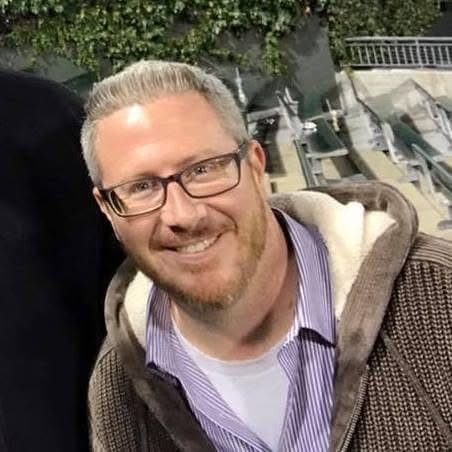
Justin Waltz, Brand President of eco-conscious junk-removal franchise The Junkluggers, has spent nearly two decades evaluating and navigating industry shifts while building an adaptable franchise system that can pivot and respond, and shares insights on how the industry continues to evolve, the role of data and tech when it comes to creating efficiency and how franchises can empower franchisees despite the emergence of a more competitive environment. 

Justin Waltz joined 1851 Franchise Publisher Nick Powills on the “Meet the Franchise” podcast to discuss the home-service franchise trends that could define 2026 by driving industry change. A transcript of Waltz’s interview with Powills, edited for length and clarity, has been provided below. 

Nick Powills: All right. Anyone who’s [reading] this, go search on YouTube for Justin’s name and you can find our hot-seat interview if you want his great background story. The accidental-franchise story is always good. But I want to skip ahead now because there’s a lot I want to unpack. 

So, Justin, first, thanks for joining me. Second, I want your State of the Union. What’s going on with home services as a service back to the homeowner? Then we’ll get into The Junkluggers.

Justin Waltz: Thanks for having me, Nick. 

When I think about the end of the year, it’s a great time to reflect on where we were and what 2026 is bringing us. And hot off the press today, we’ve got a conversation about a 50-year mortgage. The reason we’re talking about a 50-year mortgage is that we have almost a home-transaction freeze. We’re at a 30-year low in home transactions.

So, when we think about the State of the Union for home services, the home-transaction business has a supply side — title, mortgage, general contractor, remodeler, real estate agent — and that side is slowing down. Then you think about home services that rely on those transactions: the mover, the junk-removal company, maybe the general contractor, the electrician, the plumber, HVAC, the new roof. These all have a lot to do with people buying and selling homes.

As we look at 2026, we’re going to have to lean into the best strategies and really understand the demand for our businesses. For many of us, we’re making shifts. Think about what the homeowner is facing in 2026: pricing probably not moving much, interest rates maybe moving a little - but a lot of pent-up demand. So, with home services, we’ve got remodeling, transaction-related purchases and typical spring cleaning and all that.

I think we’re looking at similar market conditions. And many businesses are looking for differentiation — earning market share — and trying to identify the most profitable opportunities. I think about commercial business, focusing on transactions and all sorts of opportunities from a home-services perspective. 

There’s not too much that’s surprising - but 2026 is going to be an interesting year.

Powills: I want to ask ChatGPT if younger generations move at a higher pace than older ones. Take the 50-year mortgage. If I look at my parents, they still have a mortgage. They’ve lived in their house since 1984 — that surpasses the 30 years. You refinance, you keep going. So, if this reintroduces an opportunity for younger people to start thinking about owning a home versus renting…

Waltz: Yeah, renters. Let’s not forget about renting. As the younger generation starts to challenge homeownership and challenge the American Dream — which brings up what franchisees and franchisors are providing, a whole conversation for another day — the same challenges apply to homeownership.

Renting doesn’t slow down. When you think about the challenges of owning an older home — property taxes, insurance — renting becomes even more attractive.

We’re going to see a tremendous number of transactions on the rental side: single-family rentals, higher-end rentals, urban development, smaller homes. When gas prices were $4 to $6 a gallon, what happened? Cars got smaller. We still needed transportation - but we shifted to fuel efficiency. It’s the same with homes: we still need homes - but we’ll see a shift: smaller homes, condos, apartments and longer renting.

But one thing is certain: transactions never stop. People love to move around. We like to accumulate and consume. And we like to be eco-conscious - which is why I’m a big believer in the junk-removal business and the mission at The Junkluggers.

We’re going to see a shift in consumer behavior. Boomers stay in homes for 30, 40 or 50 years. Younger generations won’t — especially if homeownership becomes more expensive.

Powills: As you’re talking, I’m thinking about the major purchases people make: a wedding, a home, a car. If it’s hard to save up 20 percent for a down payment on a home, then saving another 20 percent to buy a franchise becomes even harder. If it becomes more accessible and younger folks want control over their schedules, I see a positive swing for franchising (especially home services, which is more cost-effective to get into). Thoughts, Justin?

Waltz: I agree. But I also think we have to change our approach to the offering because of the education aspect. When you think about YouTube, X, Twitter — and ChatGPT — there’s so much more research at people’s fingertips. Think about how the car-buying process has shifted. You can tour a home by yourself now.

A younger or new franchisee is going to have much more information about business ownership, technology and marketing before they join a brand. So, your offering and your differentiation matter.

Take the tech stack. Franchising is business as a service. And part of that is software as a service. How aligned is your technology stack at the franchisor level? How well can you weave these tools together, then package and empower franchisees with it?

We’ve all stubbed our toes on technology. Now it’s, “Here’s the stack that works. Here’s the workflow from customer acknowledgment to purchase to operations.” With labor inflation and insurance costs, we have opportunities to make backend operations more powerful and marketing tools more powerful.

The next generation of franchisees will have much more knowledge about business ownership because of all the tools available.

Powills: What I love about that is most brands position themselves with leadership, differentiation, product — and before that, cost and earnings. Pretty standard blueprint. But if we go to the problem you solve for getting into business: could I start “Nick’s Junk Hauling” tomorrow? Sure. But then I need a website, brand, merchandise, truck wraps. And then we get to the tech stack.

Now, comparing Nick’s Junk Business vs. The Junkluggers, the tech stack becomes a major differentiator. It shortens your workday, improves customer impact and makes more money. I think franchisors under-index on that…

Waltz: Yeah. But it’s also your output. I can tell you all our technology and processes. The hard part, and the differentiator, is the output.

Take marketing tech. There are 16 to 20 channels for consumers and 10 to 12 for commercial customers. The tech stack is one thing, but the empowerment is inputting data and using technology for AI-powered outputs: email, text, specific mailers and sequences that identify the exact customer.

Technology and marketing colliding means warming the right customer. With warming technology, I can take 100,000 real estate agents, identify the top 2 percent, warm them through sequences and see who’s interested - all before I even pick up the phone. That used to take a year of smile-and-dial.

So, the tech stack is one thing – but the outputs drive results. That’s where franchisors can invest and differentiate. Anyone can dabble in tech. But experience determines what’s most impactful.

Powills: This level of sophistication isn’t typical in home-service franchising. Take an independent junk business without resources. Is this going to change the persona of the franchisee? Will higher-net-worth individuals say, “I could buy a massage brand with labor challenges and membership woes - or I could invest the same amount into The Junkluggers with infrastructure, scalability and stronger ROI?”

Do you see franchisee sophistication shifting toward home services?

Waltz: I do. I also see an evolution in the franchisor’s impact on the franchisee’s top-of-funnel activity.

Sophisticated investors want predictability. If you want to do $1 million a year and generate a certain profit, it starts with top-of-funnel activity (driving customers in the door).

If the franchisor provides technology, marketing data, and AI - all warming the customer - you get more predictability in top-of-funnel activity (which results in customer purchasing).

Commercial vs. residential: the mix shifts depending on market conditions. For example, in a slower residential market, higher-end consumers still purchase. That’s an opportunity. Where are the ZIP codes? The streets? The aging-home stock?

We’re more data-driven. Data has been around for 20 years. But now the output is more actionable. With technology, we can warm customers before we show up.

Sophisticated franchise investors used to be drawn to restaurants or big fitness because it was predictable: ZIP codes and traffic. Now, technology makes home service predictable too. That’s creating more attraction to home services - not just because of demand but because of the tech stack.

Powills: And the next level is what drops to the bottom line. Think about ordering pizza. Twenty years ago, a phone call required labor. Now, almost no one calls. That labor is reduced or redeployed. Profitability inches up.

With scheduling, customer predictability and more data, franchisees become more efficient. This should strengthen ROI.

Waltz: Right. Google is dying and traffic is going away. We can either be tollbooth payers or find new ways to identify and connect with customers.

Search is shifting. It’s spreading out. We need to do a better job identifying consumer habits: home purchases, new baby, aging home, aging parents. We don’t need Google to identify these things. If we can predict them, marketing and retention become very different.

Powills: But data and tech won’t eliminate the need for great service. Once the customer enters the funnel, the franchisee has to execute. Maybe robots come - maybe a robot can do some junk removal - but we’re still dealing with people’s most personal spaces. Customer acquisition may get disrupted - but not the need to service locally.

Waltz: Right. If you make it easier for the customer to schedule a technician and remove friction - confirming appointments, capturing details - then we can pay the technician more and create a better employee experience.

The technician benefits from the backend tech too: confirmed appointments, customer interactions, photos of the home. Technology empowers frontline employees. Better tools make it easier to do the job, which produces a better customer experience.

We now have tools like CompanyCam to audit the in-home experience. That makes home-service providers even better.

Powills: There will also be consolidation of mom-and-pop businesses because they can’t compete with companies that have resources. That goes back to the sophistication of buyers. “Man in a van” is critical for customer relationships, but everything above that - tech, systems, infrastructure - will drive consolidation. The value of locally owned will remain - but with big infrastructure behind it.

Waltz: The consumer is ready for that. Think about Uber; owned by a large corporation, locally operated by the driver. You’re going to see a technology-empowered franchisee and technician. Consumers already love brand familiarity. Now they’ll experience brand, process, ease of booking - and empowered technicians. The friction to book and dispatch is removed.

The technician experience will be very different from the old man-in-a-van model.

Powills: Final question: Do your franchisees truly understand how dramatically this industry is about to change? They could have gotten into this business 10 years ago - but where it’s going will compound in ways that make their lives easier. Do they understand that - or is it still an educational process?

Waltz: As a franchisee, you can see competition everywhere. You see the residential market soften. It’s easy to say the business can be commoditized.

But our franchisees see a few things that are glaring. First: is SEO as critical today as LLM optimization? What is your franchisor doing to ensure LLMs and other tech processes are picking up your brand? That’s brand power - and our franchisees recognize it.

Second: the tech stack for commercial business. Our franchisees are involved in our tech upgrades. We’ve taken our customer data and applied technology - HubSpot, Power BI, data lakes - and we show franchisees what we’re doing on the backend. We build tools - then hand them over. We do “ever-boarding:” constant weekly training on using the system and warming commercial customers.

It’s a constant evolution. In a franchise, you’re in a community, getting feedback about market shifts and what the franchisor is doing. With consistent feedback, education, new tech and new strategy, franchisees recognize the market shifts - and that we’re shifting too.

A longtime friend and mentor always said we’re going to drag you kicking and screaming into the future and into prosperity. When you join a franchisor committed to technology and culture, you’ve got to choose to grow with it.

If you’re on your own - “Nick in a van” - you have to motivate and update yourself. In a franchise, we drag you along and upgrade your business with the times.

Watch the full interview here.

The home-service franchise sector is changing fast. Shifting consumer behaviors, from the approach of a younger generation to concepts like homeownership and renting to the increase in demand for tech-enabled services, are methodically reshaping the marketplace. All of which has a significant impact on businesses closely aligned with home transactions who coordinate their business around ideas like moving, remodeling or junk removal.

At the same time, inflation, ongoing labor challenges and a greater desire for operational efficiency are forcing franchisors to reevaluate their approach to franchise support and the idea of how they deliver value to the consumer.

Justin Waltz, Brand President of eco-conscious junk-removal franchise The Junkluggers, has spent nearly two decades evaluating and navigating industry shifts while building an adaptable franchise system that can pivot and respond, and shares insights on how the industry continues to evolve, the role of data and tech when it comes to creating efficiency and how franchises can empower franchisees despite the emergence of a more competitive environment. 

Justin Waltz joined 1851 Franchise Publisher Nick Powills on the “Meet the Franchise” podcast to discuss the home-service franchise trends that could define 2026 by driving industry change. A transcript of Waltz’s interview with Powills, edited for length and clarity, has been provided below. 

Nick Powills: All right. Anyone who’s [reading] this, go search on YouTube for Justin’s name and you can find our hot-seat interview if you want his great background story. The accidental-franchise story is always good. But I want to skip ahead now because there’s a lot I want to unpack. 

So, Justin, first, thanks for joining me. Second, I want your State of the Union. What’s going on with home services as a service back to the homeowner? Then we’ll get into The Junkluggers.

Justin Waltz: Thanks for having me, Nick. 

When I think about the end of the year, it’s a great time to reflect on where we were and what 2026 is bringing us. And hot off the press today, we’ve got a conversation about a 50-year mortgage. The reason we’re talking about a 50-year mortgage is that we have almost a home-transaction freeze. We’re at a 30-year low in home transactions.

So, when we think about the State of the Union for home services, the home-transaction business has a supply side — title, mortgage, general contractor, remodeler, real estate agent — and that side is slowing down. Then you think about home services that rely on those transactions: the mover, the junk-removal company, maybe the general contractor, the electrician, the plumber, HVAC, the new roof. These all have a lot to do with people buying and selling homes.

As we look at 2026, we’re going to have to lean into the best strategies and really understand the demand for our businesses. For many of us, we’re making shifts. Think about what the homeowner is facing in 2026: pricing probably not moving much, interest rates maybe moving a little - but a lot of pent-up demand. So, with home services, we’ve got remodeling, transaction-related purchases and typical spring cleaning and all that.

I think we’re looking at similar market conditions. And many businesses are looking for differentiation — earning market share — and trying to identify the most profitable opportunities. I think about commercial business, focusing on transactions and all sorts of opportunities from a home-services perspective. 

There’s not too much that’s surprising - but 2026 is going to be an interesting year.

Powills: I want to ask ChatGPT if younger generations move at a higher pace than older ones. Take the 50-year mortgage. If I look at my parents, they still have a mortgage. They’ve lived in their house since 1984 — that surpasses the 30 years. You refinance, you keep going. So, if this reintroduces an opportunity for younger people to start thinking about owning a home versus renting…

Waltz: Yeah, renters. Let’s not forget about renting. As the younger generation starts to challenge homeownership and challenge the American Dream — which brings up what franchisees and franchisors are providing, a whole conversation for another day — the same challenges apply to homeownership.

Renting doesn’t slow down. When you think about the challenges of owning an older home — property taxes, insurance — renting becomes even more attractive.

We’re going to see a tremendous number of transactions on the rental side: single-family rentals, higher-end rentals, urban development, smaller homes. When gas prices were $4 to $6 a gallon, what happened? Cars got smaller. We still needed transportation - but we shifted to fuel efficiency. It’s the same with homes: we still need homes - but we’ll see a shift: smaller homes, condos, apartments and longer renting.

But one thing is certain: transactions never stop. People love to move around. We like to accumulate and consume. And we like to be eco-conscious - which is why I’m a big believer in the junk-removal business and the mission at The Junkluggers.

We’re going to see a shift in consumer behavior. Boomers stay in homes for 30, 40 or 50 years. Younger generations won’t — especially if homeownership becomes more expensive.

Powills: As you’re talking, I’m thinking about the major purchases people make: a wedding, a home, a car. If it’s hard to save up 20 percent for a down payment on a home, then saving another 20 percent to buy a franchise becomes even harder. If it becomes more accessible and younger folks want control over their schedules, I see a positive swing for franchising (especially home services, which is more cost-effective to get into). Thoughts, Justin?

Waltz: I agree. But I also think we have to change our approach to the offering because of the education aspect. When you think about YouTube, X, Twitter — and ChatGPT — there’s so much more research at people’s fingertips. Think about how the car-buying process has shifted. You can tour a home by yourself now.

A younger or new franchisee is going to have much more information about business ownership, technology and marketing before they join a brand. So, your offering and your differentiation matter.

Take the tech stack. Franchising is business as a service. And part of that is software as a service. How aligned is your technology stack at the franchisor level? How well can you weave these tools together, then package and empower franchisees with it?

We’ve all stubbed our toes on technology. Now it’s, “Here’s the stack that works. Here’s the workflow from customer acknowledgment to purchase to operations.” With labor inflation and insurance costs, we have opportunities to make backend operations more powerful and marketing tools more powerful.

The next generation of franchisees will have much more knowledge about business ownership because of all the tools available.

Powills: What I love about that is most brands position themselves with leadership, differentiation, product — and before that, cost and earnings. Pretty standard blueprint. But if we go to the problem you solve for getting into business: could I start “Nick’s Junk Hauling” tomorrow? Sure. But then I need a website, brand, merchandise, truck wraps. And then we get to the tech stack.

Now, comparing Nick’s Junk Business vs. The Junkluggers, the tech stack becomes a major differentiator. It shortens your workday, improves customer impact and makes more money. I think franchisors under-index on that…

Waltz: Yeah. But it’s also your output. I can tell you all our technology and processes. The hard part, and the differentiator, is the output.

Take marketing tech. There are 16 to 20 channels for consumers and 10 to 12 for commercial customers. The tech stack is one thing, but the empowerment is inputting data and using technology for AI-powered outputs: email, text, specific mailers and sequences that identify the exact customer.

Technology and marketing colliding means warming the right customer. With warming technology, I can take 100,000 real estate agents, identify the top 2 percent, warm them through sequences and see who’s interested - all before I even pick up the phone. That used to take a year of smile-and-dial.

So, the tech stack is one thing – but the outputs drive results. That’s where franchisors can invest and differentiate. Anyone can dabble in tech. But experience determines what’s most impactful.

Powills: This level of sophistication isn’t typical in home-service franchising. Take an independent junk business without resources. Is this going to change the persona of the franchisee? Will higher-net-worth individuals say, “I could buy a massage brand with labor challenges and membership woes - or I could invest the same amount into The Junkluggers with infrastructure, scalability and stronger ROI?”

Do you see franchisee sophistication shifting toward home services?

Waltz: I do. I also see an evolution in the franchisor’s impact on the franchisee’s top-of-funnel activity.

Sophisticated investors want predictability. If you want to do $1 million a year and generate a certain profit, it starts with top-of-funnel activity (driving customers in the door).

If the franchisor provides technology, marketing data, and AI - all warming the customer - you get more predictability in top-of-funnel activity (which results in customer purchasing).

Commercial vs. residential: the mix shifts depending on market conditions. For example, in a slower residential market, higher-end consumers still purchase. That’s an opportunity. Where are the ZIP codes? The streets? The aging-home stock?

We’re more data-driven. Data has been around for 20 years. But now the output is more actionable. With technology, we can warm customers before we show up.

Sophisticated franchise investors used to be drawn to restaurants or big fitness because it was predictable: ZIP codes and traffic. Now, technology makes home service predictable too. That’s creating more attraction to home services - not just because of demand but because of the tech stack.

Powills: And the next level is what drops to the bottom line. Think about ordering pizza. Twenty years ago, a phone call required labor. Now, almost no one calls. That labor is reduced or redeployed. Profitability inches up.

With scheduling, customer predictability and more data, franchisees become more efficient. This should strengthen ROI.

Waltz: Right. Google is dying and traffic is going away. We can either be tollbooth payers or find new ways to identify and connect with customers.

Search is shifting. It’s spreading out. We need to do a better job identifying consumer habits: home purchases, new baby, aging home, aging parents. We don’t need Google to identify these things. If we can predict them, marketing and retention become very different.

Powills: But data and tech won’t eliminate the need for great service. Once the customer enters the funnel, the franchisee has to execute. Maybe robots come - maybe a robot can do some junk removal - but we’re still dealing with people’s most personal spaces. Customer acquisition may get disrupted - but not the need to service locally.

Waltz: Right. If you make it easier for the customer to schedule a technician and remove friction - confirming appointments, capturing details - then we can pay the technician more and create a better employee experience.

The technician benefits from the backend tech too: confirmed appointments, customer interactions, photos of the home. Technology empowers frontline employees. Better tools make it easier to do the job, which produces a better customer experience.

We now have tools like CompanyCam to audit the in-home experience. That makes home-service providers even better.

Powills: There will also be consolidation of mom-and-pop businesses because they can’t compete with companies that have resources. That goes back to the sophistication of buyers. “Man in a van” is critical for customer relationships, but everything above that - tech, systems, infrastructure - will drive consolidation. The value of locally owned will remain - but with big infrastructure behind it.

Waltz: The consumer is ready for that. Think about Uber; owned by a large corporation, locally operated by the driver. You’re going to see a technology-empowered franchisee and technician. Consumers already love brand familiarity. Now they’ll experience brand, process, ease of booking - and empowered technicians. The friction to book and dispatch is removed.

The technician experience will be very different from the old man-in-a-van model.

Powills: Final question: Do your franchisees truly understand how dramatically this industry is about to change? They could have gotten into this business 10 years ago - but where it’s going will compound in ways that make their lives easier. Do they understand that - or is it still an educational process?

Waltz: As a franchisee, you can see competition everywhere. You see the residential market soften. It’s easy to say the business can be commoditized.

But our franchisees see a few things that are glaring. First: is SEO as critical today as LLM optimization? What is your franchisor doing to ensure LLMs and other tech processes are picking up your brand? That’s brand power - and our franchisees recognize it.

Second: the tech stack for commercial business. Our franchisees are involved in our tech upgrades. We’ve taken our customer data and applied technology - HubSpot, Power BI, data lakes - and we show franchisees what we’re doing on the backend. We build tools - then hand them over. We do “ever-boarding:” constant weekly training on using the system and warming commercial customers.

It’s a constant evolution. In a franchise, you’re in a community, getting feedback about market shifts and what the franchisor is doing. With consistent feedback, education, new tech and new strategy, franchisees recognize the market shifts - and that we’re shifting too.

A longtime friend and mentor always said we’re going to drag you kicking and screaming into the future and into prosperity. When you join a franchisor committed to technology and culture, you’ve got to choose to grow with it.

If you’re on your own - “Nick in a van” - you have to motivate and update yourself. In a franchise, we drag you along and upgrade your business with the times.

Watch the full interview here.

Don’t Miss the Next Big Franchise Story

Sign up for the 1851 Franchise newsletter to get our biggest stories before everyone else

By signing up, you agree to our user agreement (including class action waiver and arbitration provisions), and acknowledge our privacy policy.

Jim Ryan

About the Author

Jim Ryan

Follow

All Articles

No related articles found