Franchise News
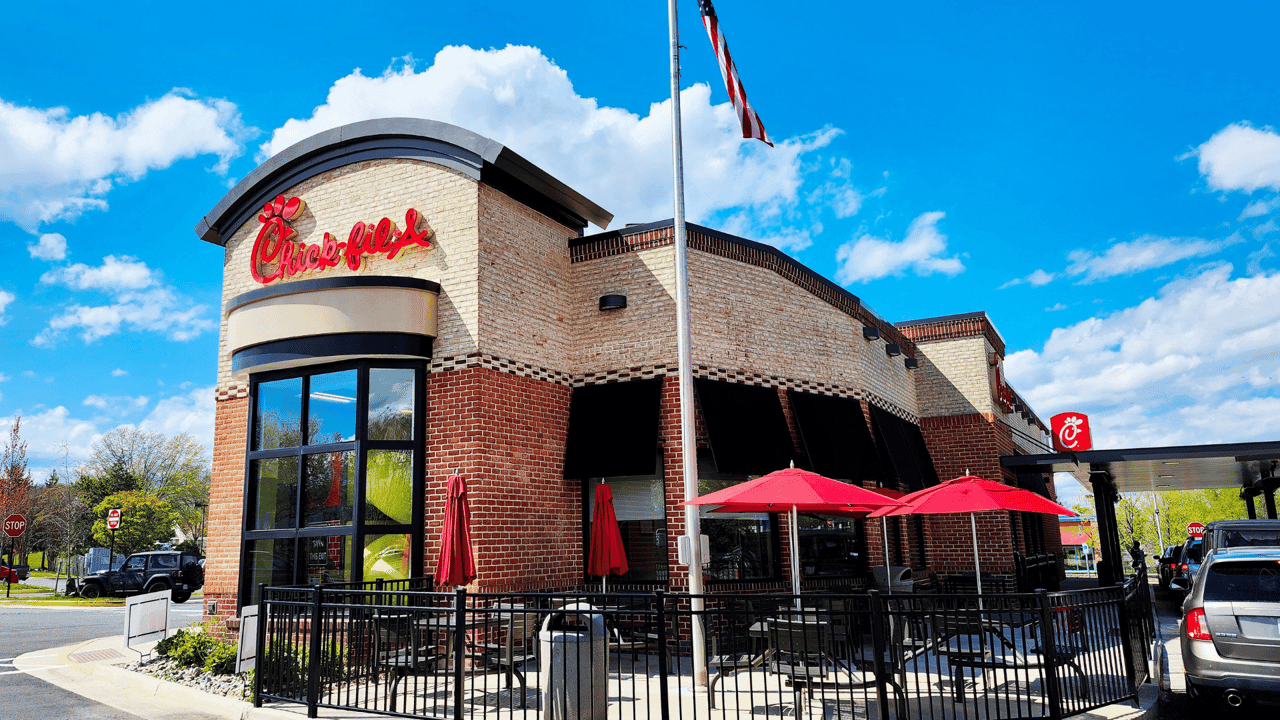
Chick-fil-A Emerges as the Leader in the U.S. Chicken Chain Industry
In 2023, the beloved chicken franchise held a commanding 45.5% market share in the chicken fast-food sector, according to data released by Technomic Inc.
Franchise News
In 2023, the beloved chicken franchise held a commanding 45.5% market share in the chicken fast-food sector, according to data released by Technomic Inc.
Chick-fil-A has firmly established itself as the top chicken fast-food chain in the U.S., surpassing its rivals with remarkable growth and consumer loyalty. With roots going back to its founding in 1967, the Atlanta-based company has grown to become the third-largest restaurant chain in the country by sales, despite having fewer locations than competitors like McDonald's or Wendy's. Its rise to dominance in the chicken fast-food segment has redefined the industry, leaving giants like KFC and Popeyes scrambling to catch up.
Chick-fil-A's ascent to the top has been fueled by exceptional year-over-year growth. In 2023, it held a commanding 45.5% market share in the chicken fast-food sector, a jump from 38.3% in 2022, according to data released by Technomic Inc. in its annual report on the top US restaurant organizations.
This surge solidified Chick-fil-A’s lead over its closest competitor, Popeyes, which only holds 11.9% of the market share. According to industry data, Chick-fil-A was the only major chicken chain to increase its market share during this period, while others, including KFC and Raising Cane’s, struggled to keep up.
What makes Chick-fil-A's success even more impressive is its ability to achieve such high volumes with a limited number of stores — around 3,000 compared to KFC's 4,000 U.S. locations. The average Chick-fil-A restaurant generates $8.7 million in annual sales, according to Technomic, despite being closed on Sundays. For comparison, McDonald's locations average $3.7 million annually.
A large part of Chick-fil-A’s success can be attributed to its focus on customer service. The brand is known for its “my pleasure” culture, which has set a high standard in the fast-food industry. Chick-fil-A consistently ranks at the top of the American Customer Satisfaction Index, having held the number one spot for nine years straight.
Another key to Chick-fil-A’s dominance is its simplified menu, which focuses primarily on chicken sandwiches, nuggets and salads. While other chains like McDonald’s and Popeyes have expanded their menus, Chick-fil-A’s singular focus on chicken has proven to be a winning strategy.
Chick-fil-A’s rise has forced competitors to up their game. In 2019, Popeyes launched its chicken sandwich, igniting the so-called “Chicken Sandwich Wars.” The banter between the two chains on social media grabbed public attention, and many customers flocked to both brands to compare sandwiches. While Popeyes saw a temporary boost in sales, it wasn’t enough to unseat Chick-fil-A as the market leader.
Other brands have also followed Chick-fil-A’s playbook. McDonald’s launched its McCrispy sandwich in 2021, aiming to capture some of the momentum in the chicken space. Smaller players like Raising Cane’s and Dave’s Hot Chicken are expanding rapidly, hoping to capitalize on the growing popularity of chicken.
While Chick-fil-A dominates the U.S. market, its international presence is minimal, which could provide opportunities for competitors abroad. KFC, for instance, is a much larger player internationally, with a significant presence in China. Popeyes has also begun expanding aggressively outside the U.S., with plans for hundreds of new locations in countries like China, South Korea and India.
However, Chick-fil-A has ambitious plans to expand overseas. By 2025, the company plans to open its first permanent location in the U.K. and invest over $100 million in international growth. Additionally, the brand aims to open locations in Asia by 2026 and has set a goal of operating five international outlets by 2030.
Despite its overwhelming success, Chick-fil-A faces several challenges. The brand has been criticized for its conservative values and past donations to anti-LGBTQ organizations. In 2019, the company closed a London location following protests from LGBTQ rights activists. Moving forward, how Chick-fil-A navigates its international expansion and potential cultural clashes will be crucial to its global success.
Another challenge lies in the highly competitive chicken fast-food market. Brands like Popeyes, Wingstop and Raising Cane’s are rapidly expanding, and while Chick-fil-A maintains a significant lead, it must continue innovating to stay ahead of its rivals.
For entrepreneurs interested in the chicken franchise space but seeking alternatives to Chick-fil-A, several brands offer promising opportunities:
Every great franchisee had help buying a franchise. Want to learn more about how 1851 helps franchisees find the right franchise opportunity? Visit www.1851growthclub.com and start your journey.
Sign up for the 1851 Franchise newsletter to get our biggest stories before everyone else
By signing up, you agree to our user agreement (including class action waiver and arbitration provisions), and acknowledge our privacy policy.