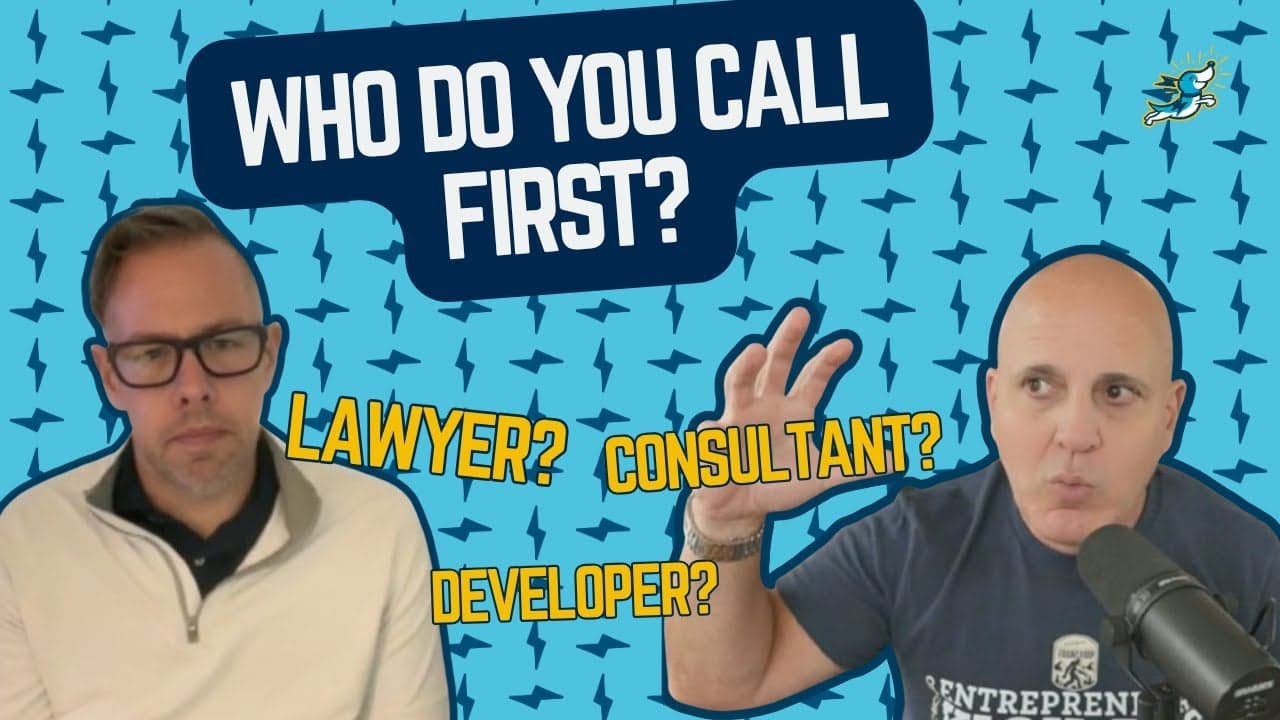
Franchising can feel like a black box for entrepreneurs. Between legal documents, consultants, developers and marketing partners, it’s hard to know who to call first and how much to spend. That’s why GoodSpark exists — to give founders a clear, strategic path into franchising.
At the helm of this franchise development and education company are two industry veterans: Charles Internicola, GoodSpark’s CEO and a longtime franchise attorney who has guided hundreds of brands through the legal and operational steps of franchising, and Nick Powills, the company’s chief growth officer, who has spent his career helping brands build the systems and stories they need to grow. Internicola describes GoodSpark as “a platform that empowers entrepreneurs to franchise with clarity and confidence,” while Powills puts it more bluntly: “We want to help founders avoid the mistakes that drain capital and stall growth.”
For entrepreneurs ready to explore franchising, the question isn’t just if they should expand, but how to start. Internicola and Powills have laid out a clear sequence — a playbook of steps designed to help founders avoid costly mistakes and build their franchise the right way.
Step 1: Start With Reality Checks
Before calling a lawyer or consultant, Internicola encourages entrepreneurs to talk to people who have already franchised their businesses. “The first thing I would do is get on the phone with three franchisors who are one to three years into franchising,” he said. “Ask them, ‘What did you think you were getting into? What was the reality? What were the surprises?’ If you don’t talk to franchisors, you won’t have the benefit of knowing what this journey really looks like.”
Step 2: Understand the Roles
One of the biggest sources of confusion is the overlap between lawyers, consultants and developers. Powills stresses the distinction: “Franchise lawyers — you do need them because they’ll prepare the legal documents. But you don’t necessarily need a consultant or a developer. Their job is to help you figure out if you’re ready, what your story is and how to position your franchise. Sometimes founders overspend because they think they need everything at once. You don’t.”
Step 3: Build the Core Documents
The legal paperwork — especially the Franchise Disclosure Document (FDD) and operations manual — should be seen as living tools, not static requirements. “The best way to upgrade the manual is by documenting franchisee friction points,” Internicola said. “If your franchisees are struggling with onboarding or reporting, you capture that and update the manual. It’s not about checking a box for compliance; it’s about creating resources that help your franchisees succeed.”
Step 4: Benchmark Costs and Timelines
Franchising takes capital and patience. “If you bootstrap it, you’re looking at about $30,000 to get your legal documents and an operations manual in place,” Internicola said. “If you want a fully supported, strategic setup with legal, development and consulting, you’re closer to $70,000. Then you need to budget about $5,000 a year for legal updates. And while it may take 90 to 120 days to become a legal franchisor, it’s really a 12- to 18-month process to get your footing and start building traction.”
Step 5: Vet Your Partners Carefully
The franchise services ecosystem is crowded, and not every provider is transparent. “The online space is chaotic, and there’s a lot of noise,” Powills said. “There are consultants who will sell you a $100,000 package, and when you dig in, half of it is outsourced. You have to ask: Who are your current clients? Can I talk to them? How do you get paid? Are there referral fees involved? If they’re not upfront about those things, walk away.”
Step 6: Sequence Spending Wisely
Many new franchisors sink money into marketing or lead generation before their foundation is ready. “You can’t just go out and buy 200 leads and think you’re going to sell franchises,” Powills said. “If your story isn’t clear, if your documents aren’t solid, if you don’t have validation, those leads mean nothing. Deals matter more than leads. Spend your money on getting the foundation right first.”
Step 7: Make the Right Calls in Order
So who should you actually call first? “Start with franchisors. Get their perspective,” Internicola said. “Then call a franchise lawyer — that’s non-negotiable. You need the legal documents to franchise. After that, depending on your goals and resources, you may bring in a consultant or developer. But if you start with a developer before you know your story or your compliance obligations, you’re going to waste money.”
Step 8: Set Sober Expectations
Becoming a franchisor is not about fast wins. “Everyone thinks they’re going to sell 20 units their first year,” Internicola said. “The reality is, if you sell one or two, you’re doing well. What matters is that you’re building a system that supports franchisees, not just signing agreements.”
Step 9: Move Quickly, But Smartly
While caution is key, so is momentum. “Make your first three calls in the same week you decide to explore franchising,” Powills said. “Call a few franchisors, a franchise lawyer and a consultant or developer if you think you’ll need one. Speed matters, but clarity matters more. If you line things up in the right order, you’ll save yourself time, money and frustration.”
Building the Right Foundation for Franchise Growth
Franchising isn’t just about documents or deals — it’s about setting the right sequence so your time and capital build something lasting. As Internicola puts it, “You don’t franchise because you want to sell franchises. You franchise because you want to build a system that supports franchisees.” That distinction is what separates sustainable brands from those that fizzle out.
Powills echoes the point: “If you put things in the wrong order, you’ll burn money and lose momentum. But if you build the foundation first — the legal, the story, the validation — then growth will come.”
That’s the philosophy behind GoodSpark. By combining legal expertise, brand strategy and growth coaching, the firm helps entrepreneurs step into franchising with clarity, confidence and a plan that prioritizes long-term success over short-term hype. For business owners weighing the leap, the message is simple: make the right calls, in the right order, and build the right foundation.
For more information on building a franchise the right way, check out these related articles on 1851 Franchise: