Franchise News
Full-Service Makes Us Nervous: The Decline of Full Service Restaurant Traffic Against Third-Party Delivery
Restaurants face pressure from convenience more than ever as they attempt to adapt to the needs of the modern consumer.
Franchise News
Restaurants face pressure from convenience more than ever as they attempt to adapt to the needs of the modern consumer.
In 2019, the modern consumer is supported by the immediate and all-encompassing presence of technology. Blockbuster, brick-and-mortar retail and taxis gave way to Netflix, Amazon and Uber, all for the sake of convenience. “Pick-up” is synonymous with “easy,” and having access to a card on a mobile wallet allows for more consumer purchasing power than ever before.
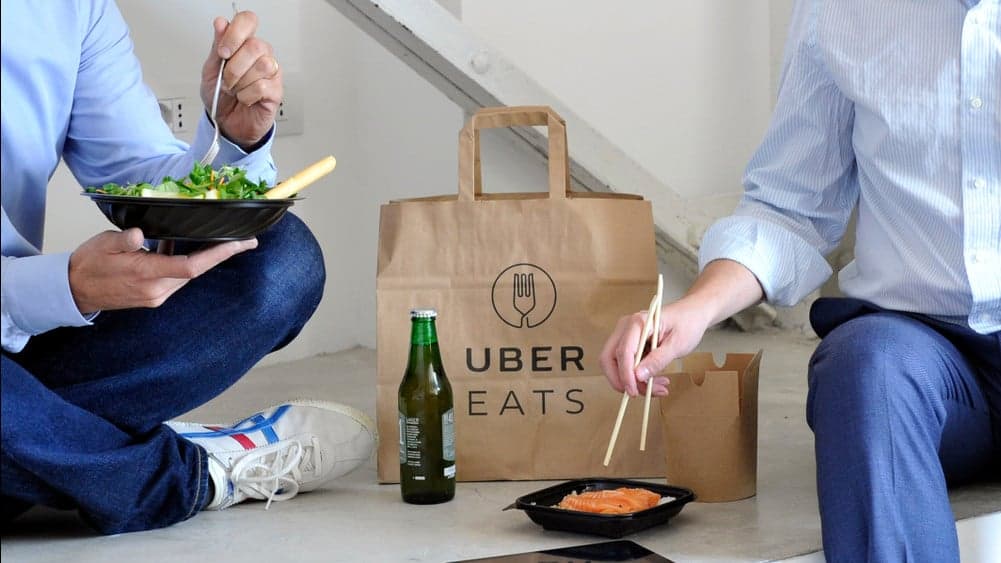
At the touch of a button, food can be ordered and delivered in a matter of minutes. Whatever culinary niche a craving comes for, a plethora of delivery apps await the order. Third-party delivery has revolutionized the way restaurants communicate with their customers and can provide a service that is faster, easier, more convenient and customizable based on a user’s previous orders. Younger consumers have changed the game by prioritizing the convenience and comfort of delivery over choosing to sit at a restaurant, and who could blame them? Online deliveries are causing a bigger uproar than the first In-N-Out drive-thru did back in 1948. Third-party delivery services are leading in the market share of consumer spend: DoorDash is first with 35%, followed by Uber Eats with 25% and Grubhub with 23%.
Revenue in restaurant-to-customer delivery has a growth expectancy of nearly 6% per year by 2023. It is such a noticeable difference that brands are adapting to the customer experience by means of the concept of virtual restaurants to ensure customer satisfaction. These virtual restaurants, or “ghost kitchens,” provide delivery-only meals through apps and third-party delivery services, eliminating the need for a waitstaff and increased menu flexibility. DoorDash recently opened one in California that prepare brands such as Nation’s Giant Hamburgers, Rooster & Rice, Humphry Slocombe and The Halal Guys; and Just Salad, in a partnership with Grubhub, opened one called Health Tribes—its 50 units makes it the largest virtual restaurant that is associated with a delivery company.
Seamless, the Grubhub-owned online delivery service, purchased LevelUp, a company that helps restaurants develop digital payment services and loyalty programs. Brands must constantly strive for creative options to keep the interest of their customers, but for those willing to put in the effort, it pays off: 20% of Starbucks transactions are made through the mobile ordering app due to its rewards program and UX-optimized build; Taco Bell allows its customers to order, set a pick-up time, and pay in advance, which also averages out to 20% more than orders that are received in-store.
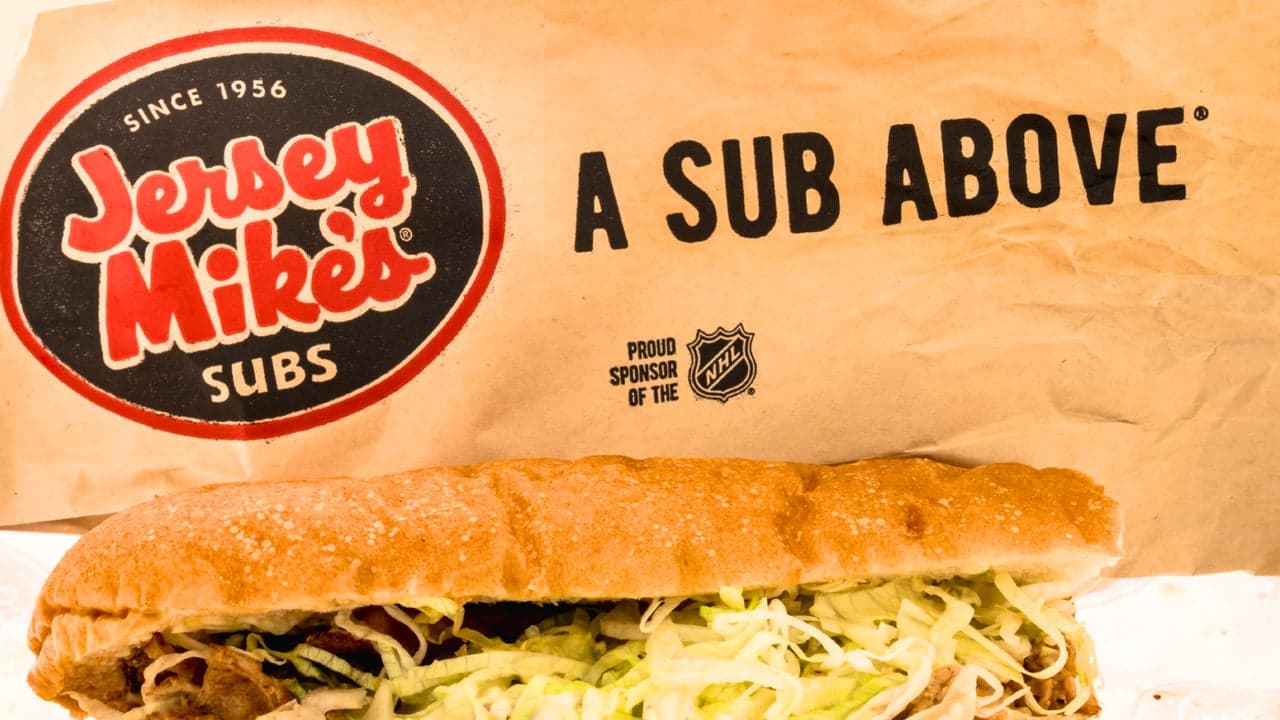
Some brands refuse to comply with this trend. Jimmy Johns, for example, sees itself as an “anti-delivery app shop”, and continues to employ its 45,000 drivers to deliver their iconic “freaky fresh” sandwiches. John Shea, CMO of Jimmy Johns, declared to QSR Magazine that “delivery is now among the fastest-growing areas in the restaurant industry, but third parties are not up to the Jimmy John’s delivery standard. We are faster, fresher, a better value, and more consistent. For these reasons and more, we will never use third-party delivery services.” Jimmy Johns is not the only chain that refuses to use third parties for deliveries: Dominos, Panera Bread and Olive Garden are staying on the bridge and not jumping after their restaurant chain friends into this delivery shift. Customer satisfaction is a priority, and in some cases, the speed in delivery and commission fees outweigh the benefit of using a third party.
Third-party delivery isn’t necessarily a bad thing for those brands willing to sacrifice a portion of their margins. Grubhub claims that delivery services can attract new customers by exposing potential new restaurants that they weren’t aware of before, and an online presence will not only gain exposure through the app, but through social media as well. Recurring revenue, anyone?
Sign up for the 1851 Franchise newsletter to get our biggest stories before everyone else
By signing up, you agree to our user agreement (including class action waiver and arbitration provisions), and acknowledge our privacy policy.

About the Author
Nick Powills, CFE, founded No Limit Agency in 2008 and serves as Chief Brand Strategist for the Chicago-based firm. No Limit is a full-service communications agency that establishes and elevates brands by bridging Public Relations, Social Media, Marketing, Advertising, Digital, and a lot of creativity, to best strategize well-rounded and successful campaigns for 50+ global franchise brands. By presenting visionary ideas and building real relationships, No Limit is able to create effective media branding strategies to help companies grow. Nick currently leads a staff of writers, media strategists, designers, social media experts and digital producers in an office think-tank where brands are humanized for strong, compelling media stories. Prior to starting No Limit at the age of 27, Nick spent four years working at a franchise PR agency where he mastered the art of building rapport with media outlets and creating newsworthy pitches for earned media placements. He holds a Bachelor of Journalism from Drake University in Iowa.