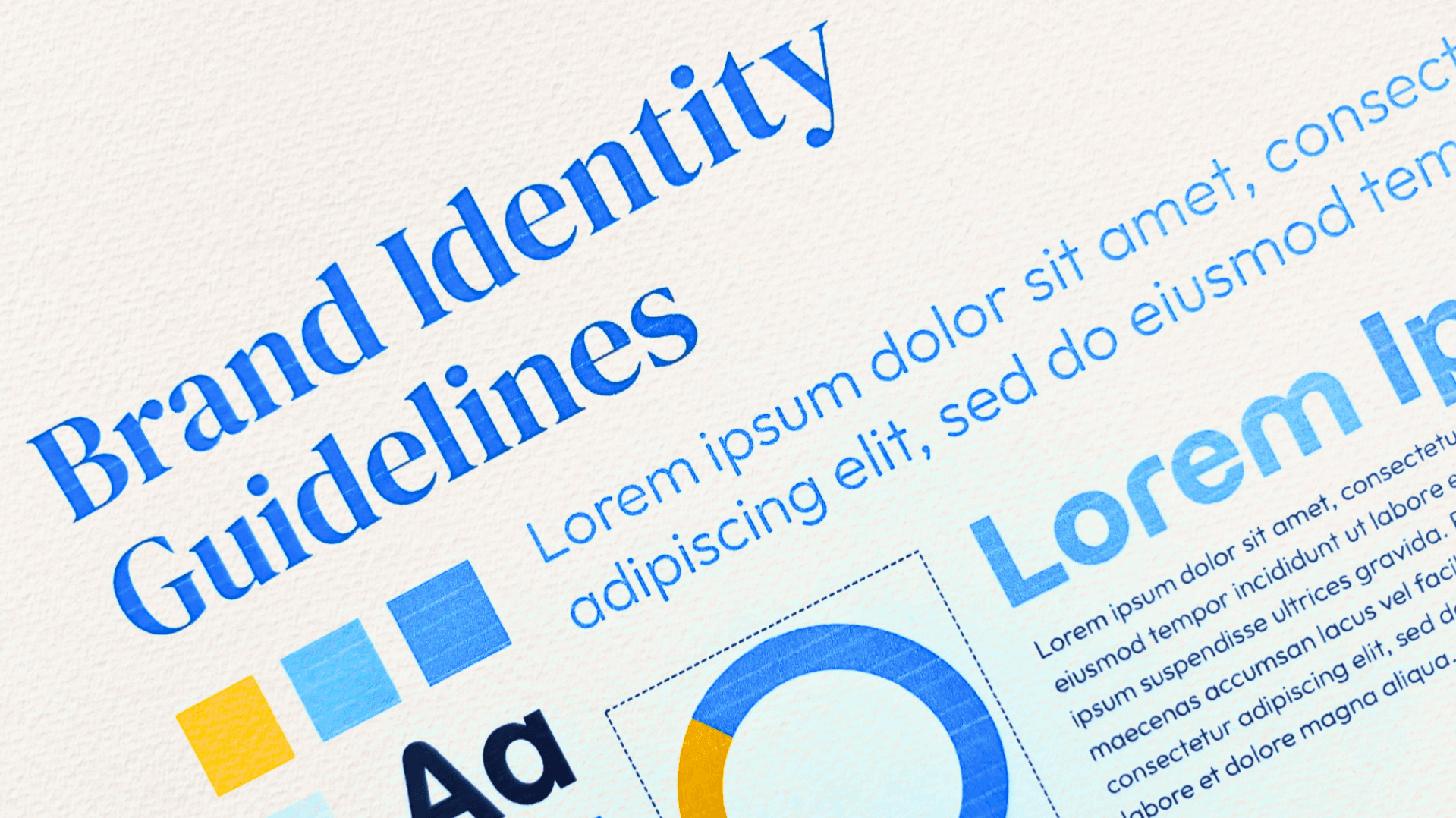
A logo is not a visual system. It's one piece of one.
For a franchise brand, that distinction becomes increasingly important as the number of locations, franchisees and marketing channels grows. A brand may appear on a storefront sign, menu board, uniform, vehicle, social post, mobile app, digital ad, delivery platform, video, franchise recruitment site and dozens of other places, sometimes within the same day.
Customers shouldn't have to stop and study the logo to know which brand they're seeing.
The color should help. The typography should help. The photography, graphic language and movement should help. Ideally, those pieces become recognizable enough that they reinforce one another before the customer even processes the name.
Peter Wiley, co-founder and director of marketing for Hot Head Burritos, has been thinking about those executions since the fast-casual concept began. “In 2007, I helped [my brother] launch Hot Head Burritos,” Wiley said. “I was making logos and doing all the marketing across the country. We were doing TV, radio, all the marketing materials.”
Nearly two decades later, the number of places that identity needs to live has exploded. The challenge for franchise brands in 2026 is building a visual system flexible enough to work everywhere without becoming unrecognizable anywhere.
Build More Than a Logo
The logo may be the most obvious piece of a brand identity, but it shouldn't have to do all the work. A scalable visual system establishes rules around elements such as color, typography, photography, illustration, icons, graphic treatments and layout. Increasingly, it also needs to define how the brand behaves in motion.
For franchisors, that scalability is particularly important.
The person creating an Instagram post in one market may not be the person designing a national campaign. A franchisee may need a grand opening flyer tomorrow. A local agency might be producing digital ads. Corporate may be storyboarding a television spot while another vendor builds an email campaign.
Every person touching the brand needs enough structure to make something recognizable without calling the original designer every time.
Design for the Channels People Actually Use
The modern visual identity also has to survive far more environments than traditional brand standards were built to address.
Wiley said Hot Head Burritos now markets across 20 to 30 channels depending on the market. “Some people just Google, but others go on ChatGPT, Instagram, Reddit, etc.,” he said. “So that is our big focus right now: digital word-of-mouth.”
A visual system therefore needs to remain recognizable at radically different sizes and speeds.
A detailed logo that looks impressive on a storefront may collapse into an unreadable social avatar. A typography system built primarily for print may struggle on mobile. A color palette that works beautifully in a restaurant may not have enough contrast for digital applications.
And increasingly, the identity isn't standing still. Video, short-form social content, digital menu boards, animated ads and interactive experiences all introduce movement into the system.
“We’ve started working with a platform that does web-based games,” Wiley said. “It allows you to add our skin or graphics to 100 different games available. It has been a really fun niche to get into. It creates engagement so people are thinking about your brand every day for hours a month. You can play the game and get a free burrito if you get a certain number of points.”
Wiley said the brand is also looking for other ways to prioritize video content. “We’re also playing with AI video — storyboarding our commercials with AI,” he said. “A lot of digital agencies are using that to improve placement.”
Distinctiveness Matters More in a Crowded Category
A visual audit should also ask whether the identity actually differentiates the franchise from its competitors. Common category cues can help consumers quickly understand what kind of business they're looking at. But when every company uses the same imagery, colors, typography and visual language, the category itself can become a sea of sameness.
A franchise visual system has to balance recognition with distinction. It should communicate what kind of business this is without looking interchangeable with every other brand selling the same thing.
Sometimes that distinction comes from sophisticated design. Sometimes it comes from something much simpler.
“A good mascot can go a long way,” Wiley said.
He isn't speaking theoretically. Wiley recently dressed as Leroy, Hot Head Burritos' mascot, at an industry conference while talking with prospective franchisees. A mascot is another visual asset that can travel. It can appear in a restaurant, on social media, at an event, in a promotion or inside an interactive experience.
When used consistently, those assets become shortcuts to recognition.
Franchisees Need Guardrails, Not Guesswork
Franchising adds another layer to visual identity because corporate isn't the only group using the brand. Franchisees need to market locally. That can create tension between creative freedom and consistency.
“If you are a brand without any franchisees to answer to, it can be a lot easier,” Wiley said. “You make the decision and go with it. We really have a responsibility to our franchisees. You have to create materials that at least appeal a little bit to all of our franchisees. You deal with one opinion. I have 50 opinions.”
That might mean providing approved templates with room for local offers. It could mean defining exactly which colors and fonts can be changed and which cannot. It could include a shared asset library, photography standards, social templates and ready-to-use motion graphics.
Build a System People Can Recognize Without the Logo
A modern franchise visual system should eventually pass a simple test. Cover the logo. Does the marketing still look like the brand? The answer should increasingly be yes.
Brands have moved from logos, television and radio into influencers, search, gaming, AI-assisted video and dozens of digital channels. The technology will continue changing. The purpose of the visual system won't.
In 2026, that means thinking beyond the logo.
Want to learn more about how 1851 helps franchisors grow their franchises with confidence? Visit www.1851growthclub.com and see what we can do for you.