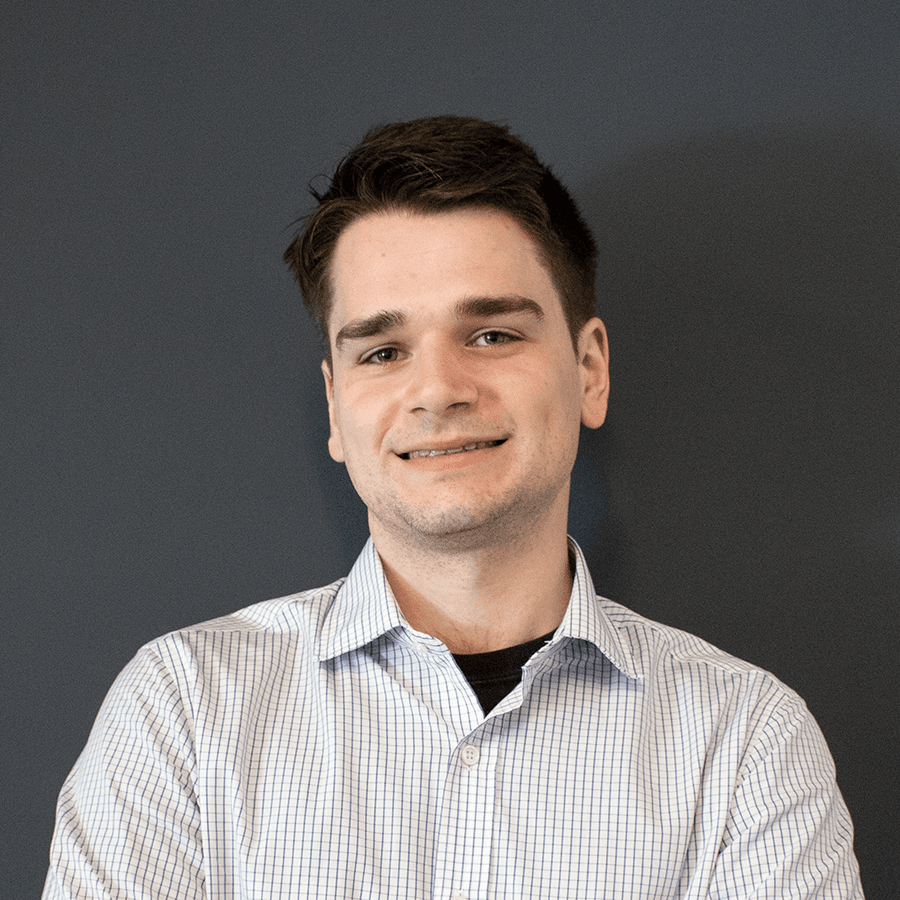
Name: Ana Malmqvist
Role: Chief Marketing Officer
Brand: Melting Pot
Brand Website: https://www.meltingpot.com
With a career spanning consumer goods, beauty, and hospitality, Ana Malmqvist brings a powerful blend of strategic thinking and customer-centric creativity to her role as chief marketing officer at Melting Pot. After years at iconic brands like L’Oréal, P&G and Bloomin’ Brands, Malmqvist now leads the charge at Melting Pot as the brand celebrates its 50th anniversary — and ushers in a new era of relevance for the next generation of guests.
From navigating the challenges of local and national marketing to leveraging AI and guest data for smarter personalization, Malmqvist is helping franchisees succeed by providing tools, strategies and support tailored to their unique markets — all while keeping “the perfect night out” at the heart of the brand.
Q&A With Ana Malmqvist, Chief Marketing Officer, Melting Pot
1851 Franchise: Can you share a bit about your career path and what drew you to franchise marketing specifically?
Ana Malmqvist: I started my career in consumer packaged goods, working in marketing at L’Oréal in New York City. From there, I moved to P&G’s beauty division, which is really where I learned the business of marketing — how it works, what drives it and, most importantly, how to get into the heads of consumers. That’s always been the north star of any marketing effort I’ve led.
Eventually, I moved back to Florida, where I’m from, and made the pivot into hospitality. It was actually a natural transition — in both beauty and hospitality, one of the key decision-makers is often the same: women. Whether you're choosing a skin care product or a restaurant, the thought process is very similar. The main difference is that instead of taking the product home, the “product” is the in-restaurant experience.
I started in hospitality at Bloomin’ Brands, first at Carrabba’s Italian Grill, then moving into product marketing. From there, I became vice president of product marketing at Outback Steakhouse. Franchising didn’t really come into play for me until I joined Melting Pot. The majority of our locations are franchised, and most are owned by small to mid-sized business owners. Our largest franchisee might have four locations — so it's a very different dynamic. That really intrigued me.
1851: What do you love most about franchise marketing?
Malmqvist: It presents a unique set of challenges. Melting Pot is still very much a national brand, and there’s tremendous value in presenting ourselves that way from an economies-of-scale perspective. But you also have to account for location-specific needs — and those dynamics can vary even within the same geography.
That’s one of the most interesting parts of franchise marketing: balancing national brand voice with hyper-local customization. You have to empower franchisees to do what’s right for their local markets while giving them strong brand support. That was a big learning for me — understanding the two different budgets: the national brand budget and the franchisee’s grassroots marketing budget, which covers things like social media and local partnerships.
1851: What’s the single most important thing franchise marketing pros can do to impact franchisees’ unit-level economics?
Malmqvist: Ask the franchisees. We did exactly that — my team and I recently surveyed our system to identify where franchisees need the most help. Some are incredibly savvy marketers; others are more focused on running the day-to-day operations and don’t have time or interest to dive deep into marketing.
We wanted to know: Do they need help with email campaigns? Local social content? Community engagement? The answers helped us shape a series of upcoming webinars and toolkits that will directly support those needs. Our franchisees are the local experts — we just want to make sure they have the tools to make their locations as successful as possible.
1851: What marketing trends are you seeing as we head into 2025?
Malmqvist: It’s an interesting time in hospitality. There’s a lot of economic uncertainty right now, which is shaping how brands respond and market. But the biggest trend is AI — even though it’s been around for a while, it’s really taken off heading into 2025.
AI is affecting everything from guest communication to internal strategy. It’s about generating insights from all the variables that influence consumer decisions. Food innovation and brand collaborations are also continuing to trend. Guests want newness, and they want connection — with the brand, with the food, with each other.
1851: What’s one bold prediction you have for the future of marketing?
Malmqvist: AI will unlock greater personalization than we’ve ever seen before. I sit on the advisory board of an AI startup that’s working with the hospitality industry to send the right message to the right guest at the right time. It’s a game-changer.
When I first entered restaurant marketing, my closest partners were in operations. Today, one of my key partners is the CTO. That shift happened fast. Now, the technology team owns the data, but they need help pulling out the insights — that’s where marketing comes in. It’s going to make marketing so much more dynamic and personal.
Growing and selling franchises is difficult. No great franchise did it alone. Want to learn more about how 1851 helps franchisors grow their franchises with confidence? Visit www.1851growthclub.com and see what we can do for you.