
Caring Transitions
SPONSORED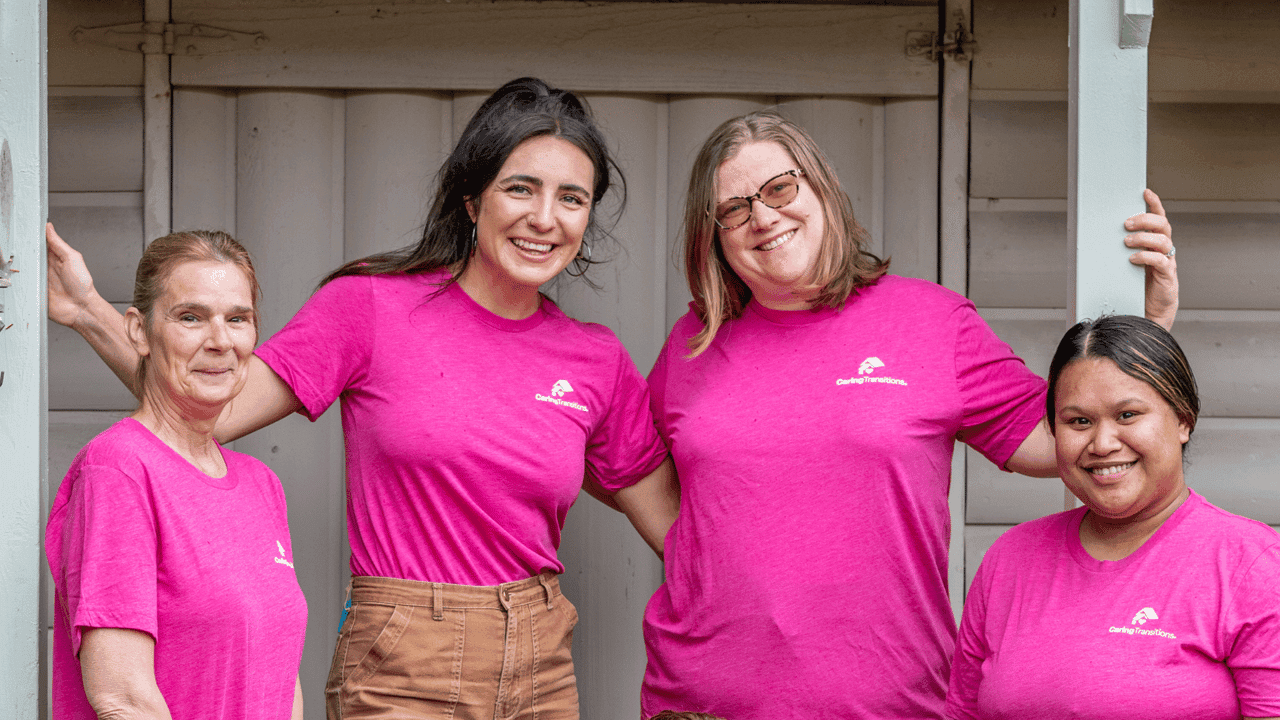
Why Caring Transitions’ Culture Stands Out for Franchisees
For franchisees like Julie Bilyeu and Rachel Eberly, the culture at Caring Transitions was a pivotal factor in their decision to join the franchise.
When it comes to franchising, culture is often the backbone that supports the success and satisfaction of its franchisees. For Caring Transitions, a brand known for its dedication to helping seniors and their families through life’s challenging transitions, culture is not just an add-on — it’s the essence of what makes the franchise a standout opportunity for entrepreneurs seeking more than just a business.
Julie Bilyeu, the owner of Caring Transitions in Winston-Salem, was navigating a personal and professional crossroads when she discovered the franchise. With a background in health promotion and a career in pharmaceutical sales, Bilyeu had always been driven by a purpose to help others. However, it was her personal experience with her mother’s sudden need for assisted living that opened her eyes to the challenges faced by seniors and their families.
“When this [Caring Transitions] came across my Facebook feed, I thought it was a great opportunity,” Bilyeu said. “I really just liked what I heard and who I met. I felt like they had similar passions for service and it was something I wanted to be a part of.”
Caring Transitions provides a chance to make a significant impact on the lives of elderly individuals and their families during pivotal and often challenging times. Transitioning from a personal residence to an assisted living facility is a major life change that can be overwhelming. Unlike standard moving services, Caring Transitions offers comprehensive assistance, easing the burden for seniors and their loved ones.
The culture Bilyeu encountered at Caring Transitions, from the initial discovery process to her ongoing experience as a franchisee, has been one of unwavering support. She describes a community where no question is too small to ask and where franchisees are genuinely invested in helping each other succeed. The collaborative environment is further strengthened by multiple panels that franchisees can serve on, ensuring their voices are heard and their feedback is acknowledged.
Bilyeu officially opened her business in Winston-Salem in 2019. “There was lots of support from day one,” she said. “I traveled to Dallas and spent a week with one of the owners there. They’ve provided business coaches and it’s been a very supportive environment, especially for someone like me who has never owned a business.”
For Rachel Eberly, the owner of Caring Transitions of Oxford, Ohio, the culture at Caring Transitions was a perfect fit for her background as a director of operations for a substance abuse and mental health facility. After spending years at the facility, Eberly heard about Caring Transitions, and she recognized an opportunity to continue her humanitarian work in a new way.
“During COVID, my father passed away and he had three properties that required decluttering, liquidation and getting the house ready to sell,” said Eberly. “It was a very time-consuming and difficult process. After I had finished that, I was ready to consider other opportunities and I discovered Caring Transitions and realized it was a much-needed service.”
Eberly first spoke with the corporate team behind the franchise to understand the business. Before making the decision to invest, she reached out to many local franchisees to gather their insights.
“As far as the culture, it seemed like there were a lot of like-minded people,” Eberly said. “There can be something very bittersweet about knowing that your business is profiting off of the misfortune of others. But with Caring Transitions, I felt a lot of empathy with the people who were also owners who I had spoken to. They weren’t just looking at Caring Transitions as a business — they wanted to better families around them. They were looking for that same level of fulfillment I would get from helping people overcome addiction.”
Now this shared purpose is what drives Eberly as she builds her team and works to make a positive impact in her community. “I am about giving back as much as I can,” she said. “I want the team I build to be people who have been overlooked in other areas. I want to give people the opportunity to have that feeling of success and achievement in their own lives.”
At Caring Transitions, the culture is about creating a supportive, empathetic and purpose-driven environment where franchisees can thrive while making a meaningful difference in the lives of others. In an industry where empathy and support are crucial, it is clear that Caring Transitions stands out as a franchise opportunity where culture is more than just a buzzword.
“Our franchisees are all about finding a small business where they can really see the impact of making a big difference. People connect with the brand and what it is about,” said Ray Fabik, president of Caring Transitions. “Our model is ideal for those committed to giving back and positively impacting seniors’ lives and their communities.”
For more information, visit: https://1851franchise.com/caringtransitions.
Caring Transitions
SPONSOREDFor franchisees like Julie Bilyeu and Rachel Eberly, the culture at Caring Transitions was a pivotal factor in their decision to join the franchise.
When it comes to franchising, culture is often the backbone that supports the success and satisfaction of its franchisees. For Caring Transitions, a brand known for its dedication to helping seniors and their families through life’s challenging transitions, culture is not just an add-on — it’s the essence of what makes the franchise a standout opportunity for entrepreneurs seeking more than just a business.
Julie Bilyeu, the owner of Caring Transitions in Winston-Salem, was navigating a personal and professional crossroads when she discovered the franchise. With a background in health promotion and a career in pharmaceutical sales, Bilyeu had always been driven by a purpose to help others. However, it was her personal experience with her mother’s sudden need for assisted living that opened her eyes to the challenges faced by seniors and their families.
“When this [Caring Transitions] came across my Facebook feed, I thought it was a great opportunity,” Bilyeu said. “I really just liked what I heard and who I met. I felt like they had similar passions for service and it was something I wanted to be a part of.”
Caring Transitions provides a chance to make a significant impact on the lives of elderly individuals and their families during pivotal and often challenging times. Transitioning from a personal residence to an assisted living facility is a major life change that can be overwhelming. Unlike standard moving services, Caring Transitions offers comprehensive assistance, easing the burden for seniors and their loved ones.
The culture Bilyeu encountered at Caring Transitions, from the initial discovery process to her ongoing experience as a franchisee, has been one of unwavering support. She describes a community where no question is too small to ask and where franchisees are genuinely invested in helping each other succeed. The collaborative environment is further strengthened by multiple panels that franchisees can serve on, ensuring their voices are heard and their feedback is acknowledged.
Bilyeu officially opened her business in Winston-Salem in 2019. “There was lots of support from day one,” she said. “I traveled to Dallas and spent a week with one of the owners there. They’ve provided business coaches and it’s been a very supportive environment, especially for someone like me who has never owned a business.”
For Rachel Eberly, the owner of Caring Transitions of Oxford, Ohio, the culture at Caring Transitions was a perfect fit for her background as a director of operations for a substance abuse and mental health facility. After spending years at the facility, Eberly heard about Caring Transitions, and she recognized an opportunity to continue her humanitarian work in a new way.
“During COVID, my father passed away and he had three properties that required decluttering, liquidation and getting the house ready to sell,” said Eberly. “It was a very time-consuming and difficult process. After I had finished that, I was ready to consider other opportunities and I discovered Caring Transitions and realized it was a much-needed service.”
Eberly first spoke with the corporate team behind the franchise to understand the business. Before making the decision to invest, she reached out to many local franchisees to gather their insights.
“As far as the culture, it seemed like there were a lot of like-minded people,” Eberly said. “There can be something very bittersweet about knowing that your business is profiting off of the misfortune of others. But with Caring Transitions, I felt a lot of empathy with the people who were also owners who I had spoken to. They weren’t just looking at Caring Transitions as a business — they wanted to better families around them. They were looking for that same level of fulfillment I would get from helping people overcome addiction.”
Now this shared purpose is what drives Eberly as she builds her team and works to make a positive impact in her community. “I am about giving back as much as I can,” she said. “I want the team I build to be people who have been overlooked in other areas. I want to give people the opportunity to have that feeling of success and achievement in their own lives.”
At Caring Transitions, the culture is about creating a supportive, empathetic and purpose-driven environment where franchisees can thrive while making a meaningful difference in the lives of others. In an industry where empathy and support are crucial, it is clear that Caring Transitions stands out as a franchise opportunity where culture is more than just a buzzword.
“Our franchisees are all about finding a small business where they can really see the impact of making a big difference. People connect with the brand and what it is about,” said Ray Fabik, president of Caring Transitions. “Our model is ideal for those committed to giving back and positively impacting seniors’ lives and their communities.”
For more information, visit: https://1851franchise.com/caringtransitions.
Sign up for the 1851 Franchise newsletter to get our biggest stories before everyone else
By signing up, you agree to our user agreement (including class action waiver and arbitration provisions), and acknowledge our privacy policy.

No related articles found