Artificial intelligence is forcing professionals across industries to reconsider what the future of work might look like. For some people in technology, that uncertainty is prompting an even bigger question: What kind of work do I actually want to be doing?
At Griswold, the more than 200-unit non-medical home care franchise with more than 40 years in business, that shift is already showing up in the franchise system.
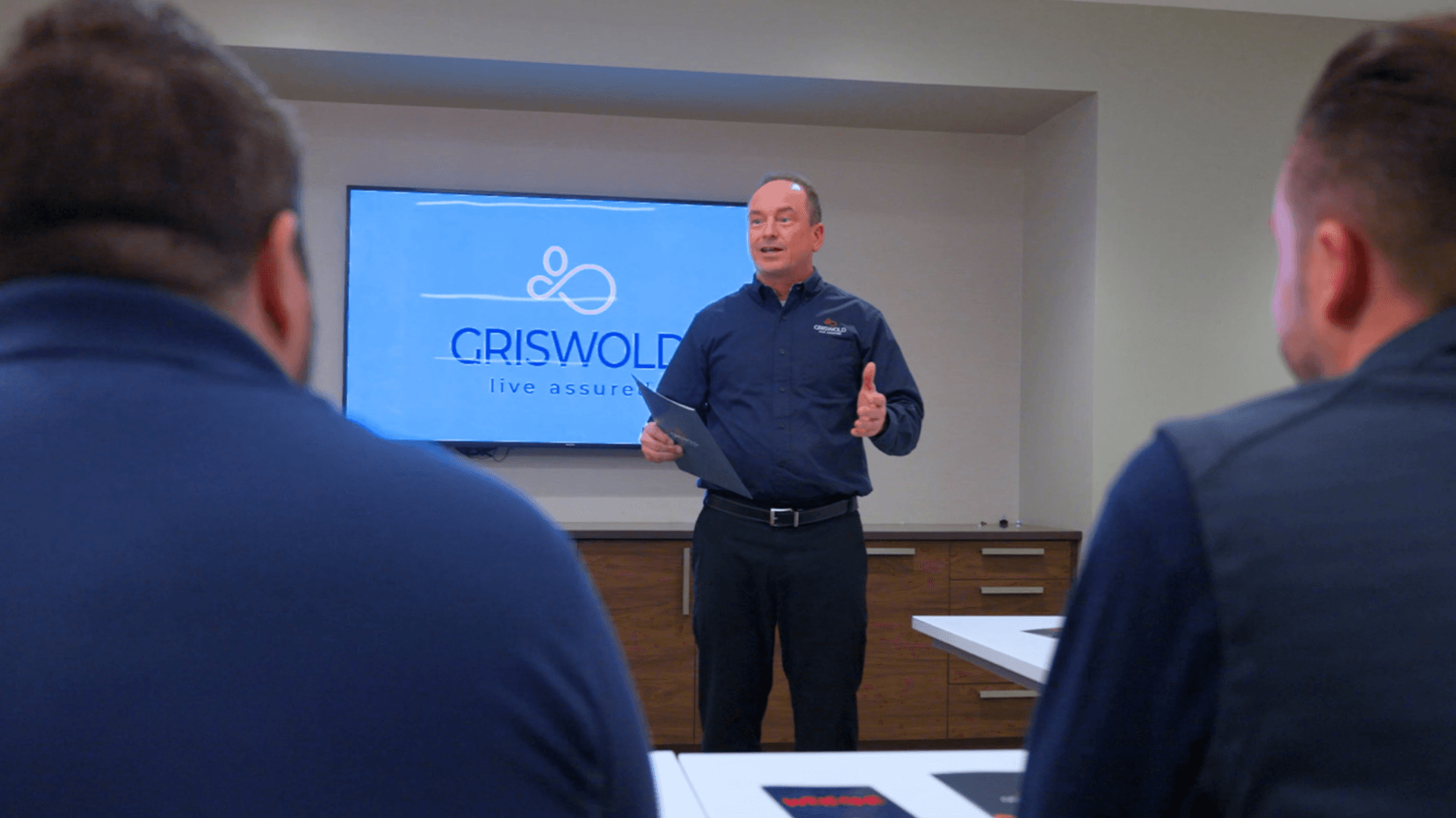
“We have had a half dozen new owners in the last 18 months from the tech world,” said Steve Turner, chief operating officer. “They have either experienced a layoff or simply reached a point where they don’t like their jobs anymore. They were looking for something more meaningful, something that made them feel good about what they were doing and gave them an opportunity to grow their business.”
For those professionals, home care presents an interesting contrast to the technology sector they are leaving behind. Technology and AI can make the business more efficient, provide families with better information, and help franchise owners make smarter decisions. But the fundamental service Griswold provides cannot simply be automated.
“It’s a people-taking-care-of-people business,” Turner said. “Our job is to make people feel safe and secure in their homes, and the only way to truly do that is to have another person there.”
From Technology Careers to People-Centered Entrepreneurship
Griswold is already seeing tech professionals make that transition. New franchisees are joining the system from backgrounds in software engineering, digital health, artificial intelligence, and other technology-driven fields.
Dennis Hodapp spent six years working as a software engineer before opening a Griswold franchise serving Pflugerville and Round Rock, Texas. But throughout his career, he searched for work that offered a stronger sense of meaning.
Hodapp took time away from software to attend seminary, study theology and philosophy, and work as a theology teacher and campus minister. He also volunteered with seniors through hospice and nursing home visits.
“I've done a lot of different things throughout my career,” Hodapp said. “For me, I'm the kind of person who really wants what I do to be meaningful. I find a lot of fulfillment in being able to help people, so I wanted to do something to pursue that calling.”
Entrepreneurship had been on his mind for more than a decade, but the idea of starting a business from scratch still felt daunting. Griswold gave him a way to pursue ownership with an established model, professional support, and a mission that fit what he was looking for.
“When I discovered Griswold, I was amazed by how professional and supportive the environment was,” Hodapp said. “I knew that’s what I needed to be able to get this off the ground.”
That combination of entrepreneurship and human impact is increasingly resonating with people reconsidering their place in tech. “They are seeing their jobs being taken over by AI and other things, so they are looking for a world that is resistant to technology,” Turner said.
But Griswold isn't resistant to technology itself. Instead, the brand is drawing a clear line between using technology to improve care and expecting technology to replace care.
Griswold's Approach: Use AI to Support People, Not Replace Them
For Griswold, AI represents an opportunity to make a fundamentally human business even better.
“With Griswold, we are using AI, but not to replace Caregivers. It’s about helping us to do what we do best,” Turner said. “It doesn’t replace the core of the business of helping people stay safe in their home.”
One of the most important applications is technology designed to provide greater insight into what is happening in a Client's home when a Caregiver or family member isn't there.
Through technology partnerships, Griswold can use tools that analyze audio or other signals to identify patterns in a Client's daily life. AI can establish a baseline and help identify meaningful changes, such as getting out of bed more frequently at night, changes in bathroom habits or a potential fall.
“We can almost have a set of eyes to help family members feel more comfortable and help us know what is going on,” Turner said. “That allows families to have insights, and also allows us to know if they need more or less care.”
Griswold's implementation of an around-the-clock virtual care agent is one example. The non-intrusive audio-based monitoring technology can identify potential falls, physical distress and other changes without requiring Clients to wear a device or press a button.
Technology can also work behind the scenes. AI and automation can assist with tasks like Caregiver scheduling and rescheduling, lead management, analytics, and other administrative processes.
“The second way we can leverage AI technology is to help us behind-the-scenes operationally,” Turner said. “We can use technology in the back end to make ourselves more efficient and more effective.”
Griswold has also implemented technology that supports Caregiver engagement. Reward systems can recognize Caregivers for completing everyday responsibilities well, automatically awarding points and other incentives based on established criteria.
The common thread is that technology handles tasks that allow people to spend more time focusing on the parts of home care that require a person.
A Physician and AI Entrepreneur Finds Greater Impact Closer to Home
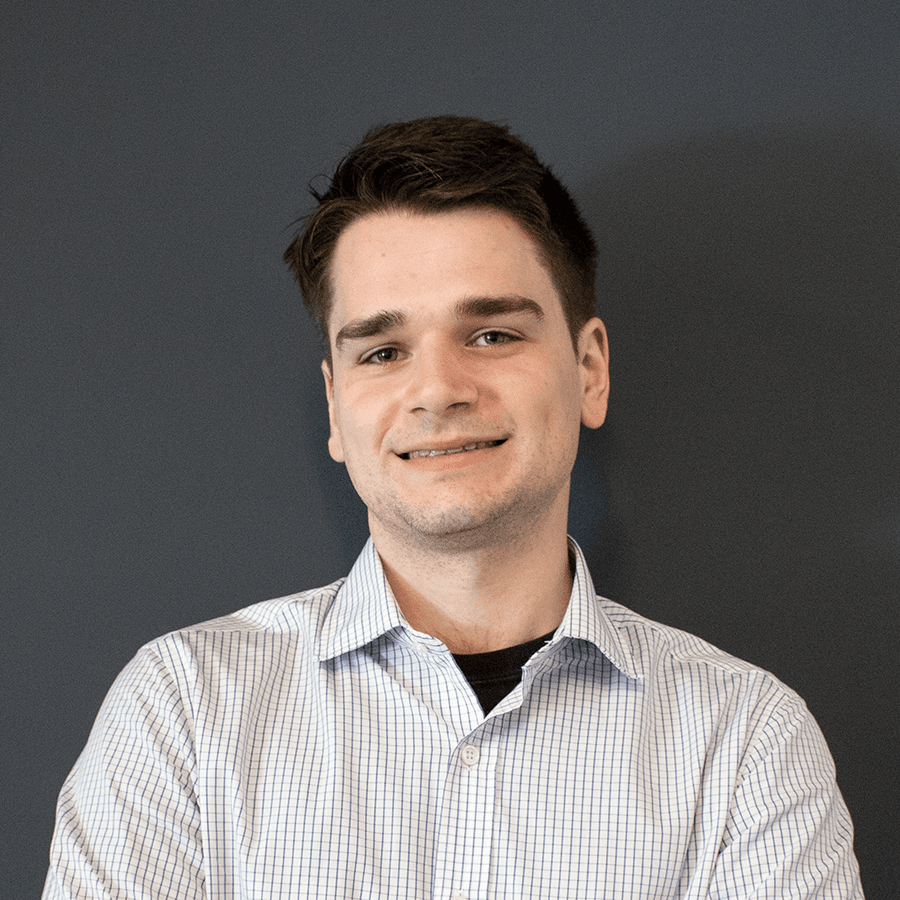
Hao Sun, MD, followed a different path into Griswold ownership. After graduating from medical school in 2014, he spent more than a decade in digital health rather than traditional clinical practice. His work included health care AI, and he founded a company that used AI to improve patient recruitment and retention for clinical trials.
“I’ve always been driven by improving health care because that’s what I studied and what I’m passionate about,” Sun said. “I really like the idea of being able to influence health care outcomes on a large scale by developing innovative AI solutions.”
Then Sun’s own family ran into a problem technology could not solve. During the COVID-19 pandemic, his grandparents needed more support than the family could provide on their own, and finding trustworthy, reliable Caregivers was difficult.
“That made me realize there is a huge need for this type of service,” Sun said. “I realized this kind of personalized, localized care is more meaningful and even more impactful than what I was doing before.”
Sun is now bringing that perspective to his Griswold franchise in San Mateo County, California. His background gives him a sophisticated understanding of what AI can accomplish in health care, but his experience with his grandparents also showed him where technology stops.
The opportunity to provide families with assurance, create jobs for Caregivers and directly influence his local community became particularly compelling.
“I think the goal is definitely knowing that I'll be making a difference for the Clients I serve,” Sun said. “It's a huge responsibility because we're providing assurance and relief for our Clients' families.”
Why the Human Side of Home Care Matters More in an AI-Driven Economy
The appeal of Griswold for tech professionals isn't based on rejecting technological progress. In many ways, their experience may make them especially well equipped to understand how technology should be deployed.
AI can analyze information. It can recognize patterns, optimize a schedule, automate administrative processes, and alert someone when circumstances change.
But it cannot replace the Caregiver who helps someone get out of bed. It cannot cook a Client's meal, provide hands-on personal care or offer the same reassurance that comes from having another person physically present in the home.
Instead of viewing AI as competition, Griswold sees it as another tool for extending the impact of its Caregivers and franchisees. Better monitoring can potentially help Clients remain safely at home longer. Better scheduling can make operations more efficient. Better analytics can give franchise owners greater visibility into their businesses.
All of it supports, rather than substitutes for, the person-to-person care at the center of the model.
For professionals leaving technology, that distinction can make Griswold particularly compelling. They don't have to abandon innovation or the skills they developed during their previous careers. They can apply that experience to a business where technology serves something inherently human.
“This is a great place to be if you are looking for something more rewarding, that makes you feel good about what you are doing, helps your community and uses your entrepreneurial spirit,” Turner said. “All of those things can be present in the business and should be present in the business.”
As AI changes what careers look like across the economy, Griswold's recent franchise growth suggests some tech professionals aren't simply searching for another job. They're searching for work where the human element isn't a vulnerability to automation. It's the entire point.
To find out more information on costs to buy a Griswold franchise, please visit https://1851franchise.com/griswold/info.