In the world of entrepreneurship, one decision you’ll likely face is whether to buy into a franchise or build a business from the ground up. Both options come with their unique challenges and rewards, but understanding the key differences can help you decide which path suits your goals and lifestyle.
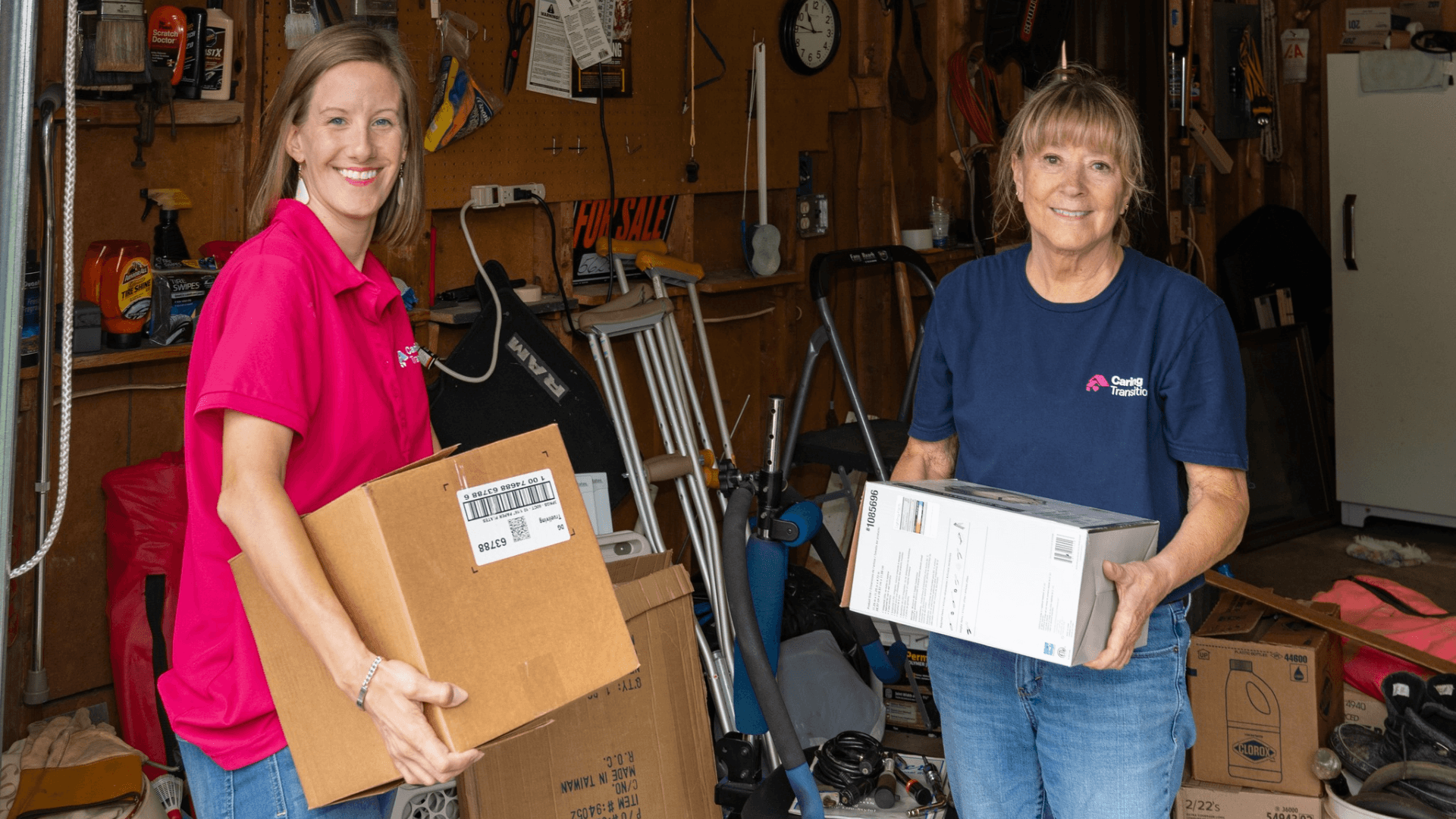
After facing the sudden loss of her income overnight, for example, entrepreneur Becky Perdaems turned to Caring Transitions, a franchise that allowed her to rebuild her career while serving her community. Her story highlights the benefits of joining an established brand, offering structure, support and a proven business model that would be difficult to achieve from scratch.
A Proven Business Model vs. Trial and Error
One of the biggest advantages of buying into a franchise is the opportunity to use a proven business model. Franchisees bypass the common trial-and-error phase of new business launches by taking advantage of that pre-tested and refined system, rather than building from the ground up.
For Perdaems, the decision to invest in Caring Transitions was all about the stability and support the franchise offered. She knew the business model worked as her sister, a Caring Transitions franchisee, had already found success with the brand.
“I loved the idea of having company support and infrastructure already in place,” Perdaems said. “It’s not like starting from scratch. Caring Transitions has shown it can work in both urban and rural markets, and you don’t have to figure it all out on your own.”
Similarly, a major perk of franchising is the ability to have support systems in place that can help franchisees maintain a healthy work-life balance. With a team to help with operations and a structure that allows for delegation, franchisees are better positioned to enjoy the flexibility and freedom of business ownership.
Brand Recognition vs. Building a Name from Scratch
Franchisees benefit from the built-in brand recognition that comes with an established name, while starting a business from scratch means you’ll need to invest time and money into building your brand from the ground up, often with no guaranteed success.
Perdaems’ experience with Caring Transitions emphasized the power of a recognized brand. "What I love about Caring Transitions is the territory-based model. It feels more like a partnership than a competition," she said. “This brand fosters a sense of teamwork instead of rivalry, which really stood out to me.”
This brand recognition makes it easier for franchisees to attract clients and build a loyal customer base, especially when entering a market with a high demand for services like those provided by Caring Transitions.
“It felt like the perfect fit,” Perdaems said. “Here in North Dakota, we have a large older population, and a lot of young people are moving away — families are often far apart, and people need help. That’s why I chose this brand.”
Training and Support vs. Learning on Your Own
When you invest in a franchise, you gain access to comprehensive training and ongoing support from the franchisor. This support can be invaluable for those new to business ownership or unfamiliar with the industry. Franchisees also benefit from continuous training, marketing resources and operational support, all designed to help them succeed.
Perdaems had a similar experience with the training and support offered by Caring Transitions. Franchisees benefit from national advertising campaigns and proven marketing strategies, for example, making lead generation more streamlined. Starting a business from scratch, however, requires significant effort and creativity to develop marketing strategies and generate leads on your own.
“Caring Transitions has provided me with everything I need to get the business off the ground,” Perdaems said. “I’ve already gotten so many messages from people who are interested in what we’re doing. It’s ‘North Dakota nice’ — and this brand, this company, is the perfect way to be part of that.”
Faster Growth vs. Slower Ramp-Up Time
Franchises tend to offer a faster ramp-up time compared to building a business from scratch. Because the systems, training and marketing efforts are already in place, franchisees often see faster growth and quicker returns on their investments.
Perdaems, though new to the business, has already set her sights on growth. “I plan to retire in 10 years and potentially sell the business to one of my kids,” she said. “I’d like to expand into a second territory and become a great employer.”
The Bottom Line: Which Path Is Right for You?
The decision between buying a franchise and starting a business from scratch is highly personal, but for many entrepreneurs like Perdaems, franchising offers the right balance of independence and support. With a proven business model, established brand recognition, comprehensive training and an easier path to financing and growth, a franchise like Caring Transitions offers a structured and supportive environment that allows entrepreneurs to focus on what matters most: serving their community and building a legacy.
If you’re ready to take control of your future and build a meaningful business with the backing of a trusted brand, Caring Transitions could be the perfect opportunity for you.
For more information about franchising with Caring Transitions, visit: https://1851franchise.com/caringtransitions/.