Buy a Franchise
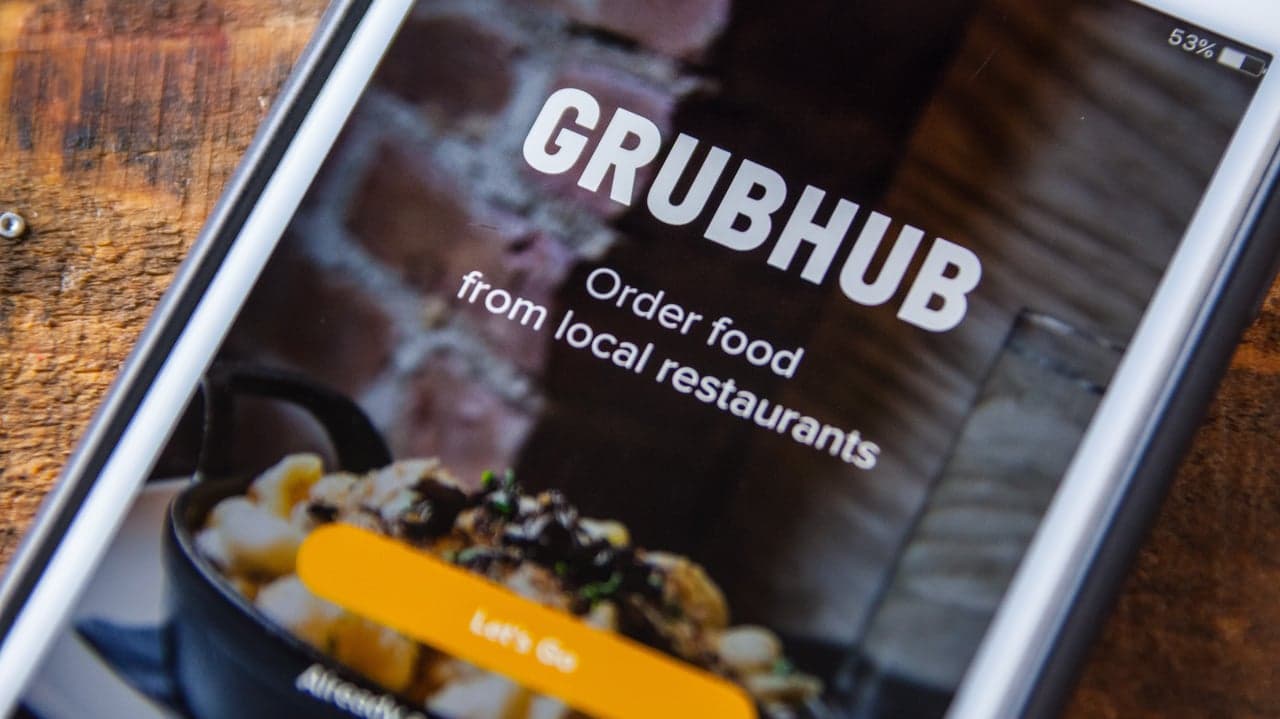
In a World of GrubHub, Marketers Need to Step Up
It’s up to marketers to even the playing field in a world where convenience is king.
Buy a Franchise
It’s up to marketers to even the playing field in a world where convenience is king.
The consumer has said it loud and clear: they are willing to pay more for your food to be delivered than to eat it in your restaurant.
What?
Convenience has trumped everything else – including the quality of the product.
Now, it’s up to marketers to even the playing field. It is your turn to take back control. Here’s what you need to know:
1. The quality of product has been devalued by the convenience of getting your food delivered to my home. How? Well, we all know that most foods have the highest quality fresh out of the oven. Thus, when that product gets to our homes 30 minutes to an hour later, the quality has declined. But the consumer doesn’t care. They are happy that your food arrived to their house. This is powerful.
2. The consumer is willing to pay a premium for your food to be delivered. In fact, they are willing to pay more than it costs to be served your food in your restaurant. Convenience has won out over all of those crazy dollars you have spent to build out your beautiful restaurant.
3. The amazing part of this delivery process is that you are not in charge of the delivery of your product. GrubHub is to blame when things go wrong. This is good and bad. The good is that someone else is to blame. The bad is that someone else is to blame – someone who doesn’t report to that manger you put in charge to product your brand.
4. GrubHub is your direct competitor. They have the everything menu. They can give the consumer any food they want whenever they want it.
So, those are the facts. Now comes your turn to own marketing. You will have to – before the consumer becomes so deloyalized (yes I created that term – trademark pending). How?
1. Own your experience through the eyes of your customer. Make sure you are truly dialed into how your customer craves your experience and product. Don’t fancy the fixtures if they are unnecessary – cater to the customer.
2. Don’t miss marketing opportunities like special holidays (national wing day, national pretzel day, national hot dog day). Create opportunities to pull the customer into your store with a special social moment.
3. Don’t use social media to simply push a “buy my food” message. Use it to create demand and education in what you are selling. Have conversations. Create a reason for the customer to come to your social pages, like secret specials, information and education.
4. Make sure you are connecting the communications silos (marketing, advertising, PR, social and digital) around all of your LTOs to maximize exposure.
5. Create in-store loyalty incentives. Give to your customers in exchange for them giving to you!
6. Measure. And measure again. GrubHub is really a technology company in the market of data. They are owning retargeting. They are understanding the buying behavior of your customers. They are stealing your customers and introducing them to other brands.
In today’s GrubHub world, marketing has never been more important. It is time to step up your game. What would Blockbuster have done had they known the ultimate outcome of Netflix? This is your chance. Own your processes and cycles. Press the pedal down to protect your restaurant’s future.
Sign up for the 1851 Franchise newsletter to get our biggest stories before everyone else
By signing up, you agree to our user agreement (including class action waiver and arbitration provisions), and acknowledge our privacy policy.
About the Author
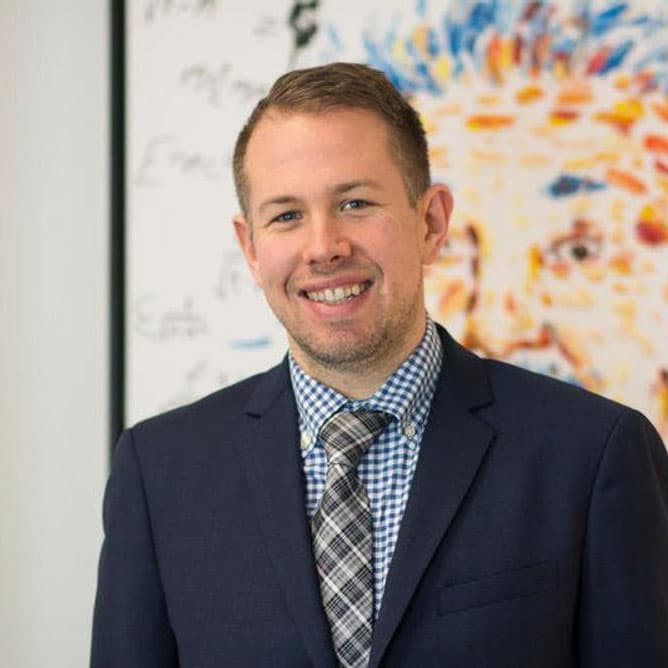
Nick Powills, CFE, founded No Limit Agency in 2008 and serves as Chief Brand Strategist for the Chicago-based firm. No Limit is a full-service communications agency that establishes and elevates brands by bridging Public Relations, Social Media, Marketing, Advertising, Digital, and a lot of creativity, to best strategize well-rounded and successful campaigns for 50+ global franchise brands. By presenting visionary ideas and building real relationships, No Limit is able to create effective media branding strategies to help companies grow. Nick currently leads a staff of writers, media strategists, designers, social media experts and digital producers in an office think-tank where brands are humanized for strong, compelling media stories. Prior to starting No Limit at the age of 27, Nick spent four years working at a franchise PR agency where he mastered the art of building rapport with media outlets and creating newsworthy pitches for earned media placements. He holds a Bachelor of Journalism from Drake University in Iowa.