Franchise News

Navigating, Understanding & Negotiating Supplier, Territory and Customer Restrictions: FDD Items 8 & 12
Items 8 and 12 in a brand's FDD have the potential to directly impact the profitability and long-term success of a franchise.
Franchise News
Items 8 and 12 in a brand's FDD have the potential to directly impact the profitability and long-term success of a franchise.
Brand recognition is vital to a concept’s success and growth. Whether it’s a retail or restaurant franchise, maintaining a consistent product and service is essential to fostering this recognition. Item 8 in the Franchise Disclosure Document (FDD) focuses on these restrictions on sources of products and services, and to fully understand this section, 1851 Franchise sat down with its Chief Development Strategist Sean Fitzgerald and Tom Spadea, a franchise attorney at Spadea Lignana, to get their expert insight.
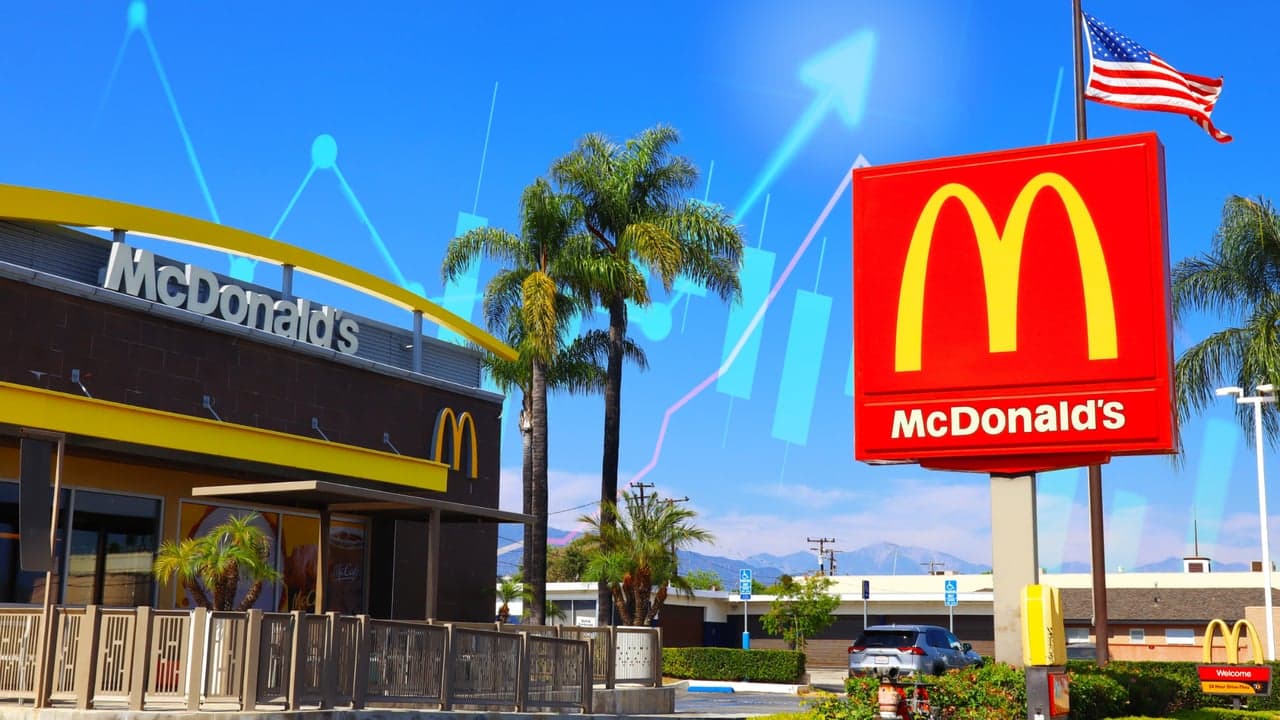
Fast food giant McDonald’s, for example, has crafted an empire by creating a brand image that’s globally recognized. From the McDonald’s Happy Meal to the classic Big Mac, people can point out a McDonald’s product and packaging because several thousands of locations work together to serve up the same consumer experience.
“Everything is standardized so one location isn’t different than another. If a consumer goes to a McDonald’s where the owner is using a different point of sale system that’s slower, the entire brand suffers because that negative experience carries over to other locations,” says Fitzgerald.
That’s why Item 8 in an FDD is incredibly important. It outlines the service and sourcing standards that are currently in place across a brand’s system. While these can be slightly negotiated on a case-to-case basis, Fitzgerald says that franchisees should be weary of franchisors who don’t communicate the importance of these guidelines and are too loose, allowing for significant changes at locations.
When reading through Item 8, Spadea says that prospective franchisees should take a closer look at the ties between the franchisor and supplier of goods.
“There are some franchise systems that make a lot in royalties based on the products and services that franchisees buy. People need to be aware and understand the percentage that the franchisor is taking in and whether that pricing is fair,” says Spadea.
While changes in Item 8 are rarely accommodated, Item 12 in the FDD, which deals with territory agreements, is a commonly negotiated area. But it’s also one where potential franchisees often get the language and specifics confused. That’s why it’s important to understand what the term “protected territory” means and what exactly it encompasses.
“An exclusive territory implies that the franchisor can’t do anything, but a protected territory means that they won’t put another brick and mortar location there even though they may conduct business in that area through other channels,” says Fitzgerald. “These other channels could be online, mobile locations, airports, shopping malls – you really have to read the fine print in this section.”
Subway, with almost 45,000 locations, is a unique exception to most in that franchisees have no radius territory of any kind in their agreements, meaning that there could be a Subway on every block if there’s enough demand. When negotiation is on the table, however, determining territory radius is typically based off of population or the number of homes in a specific market. Fitzgerald says the most important aspect to keep in mind when reading a brand’s Item 12 is to make sure the territory is large enough to have a viable business and to have a thorough understanding of what the franchisor defines as protected territory.
Spadea says another common misconception is the difference between “search area” and “territory.”
“You may have the rights to open three stores in a county. While you can search anywhere throughout the county, you don’t get your agreed-on territory until you sign a lease for the location. So, franchisors will often have several people looking in overlapping search areas until a lease is signed, blocking off that radius around the protected territory,” notes Spadea.
Negotiating the largest territory possible may seem beneficial to block out competition, but it has the potential to hurt the brand’s growth potential in a market if the franchisee doesn’t develop within a territory that is large enough to fit multiple locations.
“You’re shutting out opportunities to grow brand awareness, visibility, impressions in that area if you’re not maximizing market potential. When you have multiple locations in a marketplace, all of them typically see an increase in sales,” says Fitzgerald.
Before signing the franchise agreement, it’s important to consult with a franchise lawyer who can help navigate the agreement and FDD to make sure all of the terms are laid out and properly negotiated. Items 8 and 12 directly impact the profitability and long-term success of your business, so take time to fully understand both along with the concept you’re investing in.
Sign up for the 1851 Franchise newsletter to get our biggest stories before everyone else
By signing up, you agree to our user agreement (including class action waiver and arbitration provisions), and acknowledge our privacy policy.

About the Author
Nick Powills, CFE, founded No Limit Agency in 2008 and serves as Chief Brand Strategist for the Chicago-based firm. No Limit is a full-service communications agency that establishes and elevates brands by bridging Public Relations, Social Media, Marketing, Advertising, Digital, and a lot of creativity, to best strategize well-rounded and successful campaigns for 50+ global franchise brands. By presenting visionary ideas and building real relationships, No Limit is able to create effective media branding strategies to help companies grow. Nick currently leads a staff of writers, media strategists, designers, social media experts and digital producers in an office think-tank where brands are humanized for strong, compelling media stories. Prior to starting No Limit at the age of 27, Nick spent four years working at a franchise PR agency where he mastered the art of building rapport with media outlets and creating newsworthy pitches for earned media placements. He holds a Bachelor of Journalism from Drake University in Iowa.